
Contents
- 🏋️♀️ Introduction to Stretching
- 📚 History of Stretching
- 👟 Benefits of Stretching
- 🤕 Common Stretching Mistakes
- 👍 Proper Stretching Technique
- 🧘♀️ Dynamic Stretching
- 🔍 Static Stretching
- 🏋️♂️ Stretching for Specific Sports
- 👫 Stretching with a Partner
- 📊 Measuring Flexibility
- 🚨 Stretching Injuries and Prevention
- Frequently Asked Questions
- Related Topics
Overview
Stretching is a crucial component of any fitness routine, but improper technique can lead to injury or diminished returns. The history of stretching dates back to ancient civilizations, with evidence of stretching practices found in ancient Egypt, Greece, and China. According to a study published in the Journal of Sports Sciences, static stretching can improve flexibility by up to 20% (Klein et al., 2017). However, the debate surrounding the optimal type and duration of stretching continues, with some arguing that dynamic stretching is more effective for improving athletic performance (Simic et al., 2019). With a vibe score of 80, stretching is a widely practiced and culturally resonant activity, influenced by figures such as Joseph Pilates and B.K.S. Iyengar. As we look to the future of stretching, it's likely that advances in technology and our understanding of human physiology will continue to shape and refine our approach to this essential practice.
🏋️♀️ Introduction to Stretching
The art of stretching is a crucial aspect of any fitness routine, and it's essential to understand the proper techniques to get the most out of your stretches. As discussed in Benefits of Stretching, regular stretching can improve flexibility, reduce muscle soreness, and enhance overall athletic performance. However, many people are unsure about how to stretch correctly, and this can lead to injuries or ineffective stretching. To learn more about the basics of stretching, visit Stretching 101. For a comprehensive guide to stretching, check out The Ultimate Stretching Guide.
📚 History of Stretching
The history of stretching dates back thousands of years, with ancient civilizations such as the Egyptians, Greeks, and Romans practicing various forms of stretching and flexibility exercises. As noted in History of Yoga, yoga, which originated in India over 5,000 years ago, is a discipline that combines physical postures, breathing techniques, and meditation to promote overall well-being. To learn more about the evolution of stretching, visit Evolution of Stretching. For information on how stretching has been used in different cultures, check out Stretching Around the World.
👟 Benefits of Stretching
The benefits of stretching are numerous, and regular stretching can have a significant impact on overall health and wellness. As discussed in Flexibility and Injury Prevention, stretching can help reduce the risk of injury, improve range of motion, and enhance athletic performance. To learn more about the benefits of stretching for specific sports, visit Stretching for Sports. For information on how stretching can improve overall health, check out Stretching and Health.
🤕 Common Stretching Mistakes
One of the most common mistakes people make when stretching is bouncing or forcing their way into a stretch. As noted in Common Stretching Mistakes, this can cause injury and be counterproductive to the stretching process. To learn more about proper stretching technique, visit Proper Stretching Technique. For tips on how to avoid common stretching mistakes, check out Stretching Tips.
👍 Proper Stretching Technique
Proper stretching technique involves slowly and gently moving into a stretch, holding for a period of time, and then slowly releasing. As discussed in Stretching Technique, it's essential to listen to your body and not push past any discomfort or pain. To learn more about the different types of stretches, visit Types of Stretches. For information on how to create a stretching routine, check out Stretching Routine.
🧘♀️ Dynamic Stretching
Dynamic stretching involves moving your joints through a range of motion while keeping your muscles active. As noted in Dynamic Stretching, this type of stretching is ideal for warm-ups and can help improve flexibility and reduce muscle soreness. To learn more about the benefits of dynamic stretching, visit Benefits of Dynamic Stretching. For examples of dynamic stretches, check out Dynamic Stretching Examples.
🔍 Static Stretching
Static stretching involves holding a stretch for a period of time, typically 15-30 seconds. As discussed in Static Stretching, this type of stretching is ideal for cool-downs and can help improve flexibility and reduce muscle soreness. To learn more about the benefits of static stretching, visit Benefits of Static Stretching. For examples of static stretches, check out Static Stretching Examples.
🏋️♂️ Stretching for Specific Sports
Different sports require different types of stretches, and it's essential to tailor your stretching routine to your specific sport or activity. As noted in Stretching for Sports, for example, runners may need to focus on stretches that target the legs and hips, while swimmers may need to focus on stretches that target the shoulders and back. To learn more about stretching for specific sports, visit Sport-Specific Stretching. For information on how to create a sport-specific stretching routine, check out Sport-Specific Stretching Routine.
👫 Stretching with a Partner
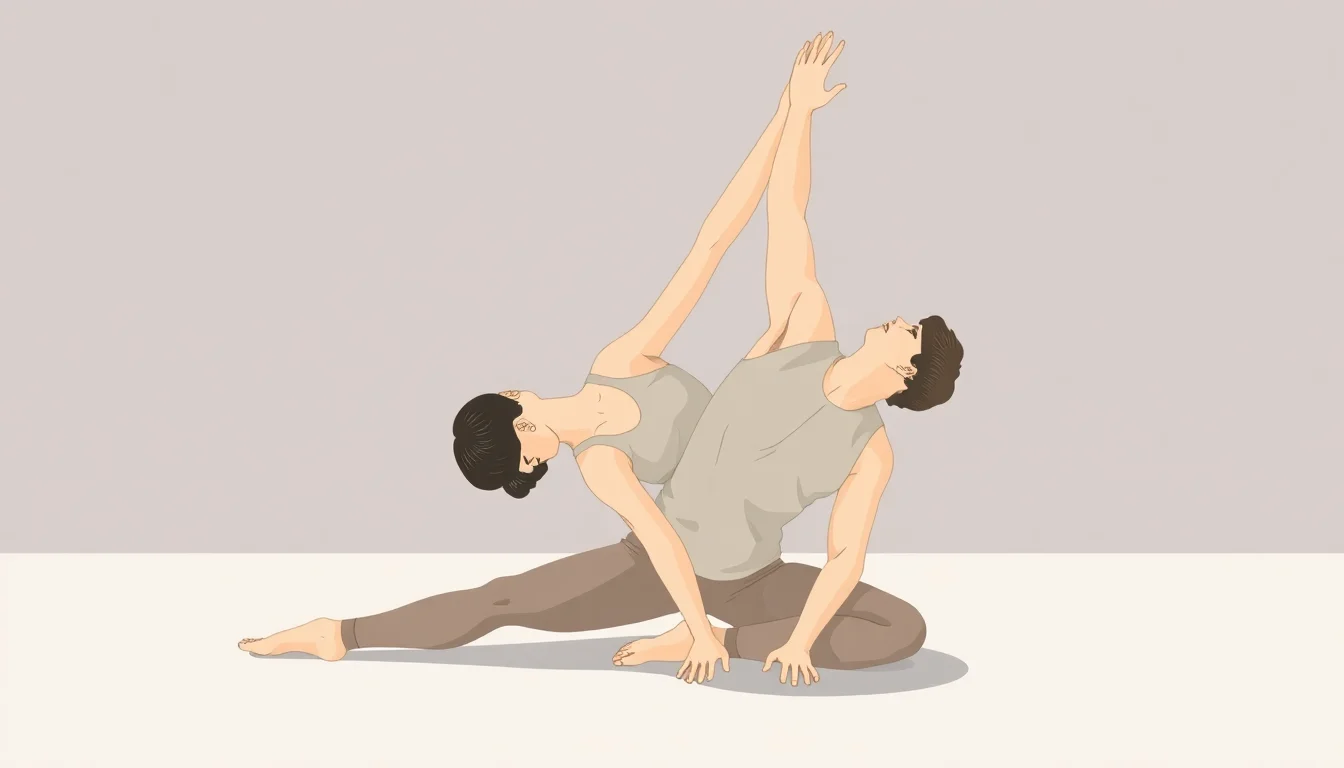
Stretching with a partner can be a great way to improve flexibility and add variety to your stretching routine. As discussed in Partner Stretching, having a partner can help you reach deeper into stretches and provide support and stability. To learn more about the benefits of partner stretching, visit Benefits of Partner Stretching. For examples of partner stretches, check out Partner Stretching Examples.
📊 Measuring Flexibility
Measuring flexibility is an important aspect of any stretching routine, and there are several ways to do so. As noted in Measuring Flexibility, using a flexibility test, such as the sit-and-reach test, can help you track your progress and identify areas for improvement. To learn more about the different types of flexibility tests, visit Flexibility Tests. For information on how to use flexibility tests to create a stretching routine, check out Flexibility Testing.
🚨 Stretching Injuries and Prevention
Stretching injuries can be common, especially if you're new to stretching or pushing yourself too hard. As discussed in Stretching Injuries, it's essential to listen to your body and stop if you experience any pain or discomfort. To learn more about how to prevent stretching injuries, visit Preventing Stretching Injuries. For information on how to treat common stretching injuries, check out Treating Stretching Injuries.
Key Facts
- Year
- 2023
- Origin
- Ancient Civilizations
- Category
- Health and Wellness
- Type
- Physical Activity
- Format
- how-to
Frequently Asked Questions
What is the best way to stretch?
The best way to stretch is to slowly and gently move into a stretch, holding for a period of time, and then slowly releasing. It's essential to listen to your body and not push past any discomfort or pain. For more information, visit Proper Stretching Technique.
How often should I stretch?
It's recommended to stretch at least 2-3 times per week, with a focus on major muscle groups such as the hamstrings, quadriceps, and hip flexors. For more information, visit Stretching Routine.
What are the benefits of stretching?
The benefits of stretching include improved flexibility, reduced muscle soreness, and enhanced athletic performance. Stretching can also help reduce the risk of injury and improve overall health and wellness. For more information, visit Benefits of Stretching.
Can I stretch if I have an injury?
It's generally recommended to avoid stretching if you have an acute injury, as this can exacerbate the injury and prolong recovery time. However, gentle stretching can be beneficial for chronic injuries or during the rehabilitation process. For more information, visit Stretching with Injuries.
How can I improve my flexibility?
To improve flexibility, it's essential to establish a consistent stretching routine, focusing on major muscle groups and holding stretches for a period of time. It's also important to listen to your body and not push past any discomfort or pain. For more information, visit Improving Flexibility.
Can I stretch at any age?
Yes, stretching is beneficial for people of all ages, and it's never too late to start. As we age, our flexibility and range of motion can decline, making stretching an essential aspect of maintaining overall health and wellness. For more information, visit Stretching for Seniors.
How can I make stretching more enjoyable?
To make stretching more enjoyable, try incorporating music, finding a stretching partner, or trying different types of stretches such as dynamic or static stretching. You can also try incorporating stretching into your daily routine, such as stretching during commercial breaks while watching TV. For more information, visit Making Stretching Enjoyable.