
Contents
- 🌟 Introduction to Partner Stretching
- 👫 Benefits for Sensory Seekers
- 🤝 How to Get Started with Partner Stretching
- 📍 Finding a Partner Stretching Community
- 💆♀️ Techniques and Methods
- 📊 Comparison with Solo Stretching
- 👥 Building Trust and Communication
- 🔍 Overcoming Common Challenges
- 📈 Measuring Progress and Success
- 🤝 Advanced Partner Stretching Techniques
- 🌈 Conclusion and Next Steps
- Frequently Asked Questions
- Related Topics
Overview
Partner stretching offers a unique combination of physical and emotional benefits, from increased flexibility and range of motion to enhanced trust and communication with your partner. By working together, you can target specific areas of tension and improve overall well-being. Regular partner stretching can also foster a sense of intimacy and connection, as you rely on each other for support and guidance. According to experts like Dr. Emily Splichal, founder of the Evidence Based Fitness Academy, partner stretching can be a powerful tool for building strength and flexibility. With its emphasis on mutual support and trust, partner stretching has become a popular practice among couples and individuals seeking to deepen their connections and improve their overall health. As noted by Vibepedia, partner stretching has a vibe score of 8 out of 10, indicating a high level of cultural energy and enthusiasm surrounding this practice.
🌟 Introduction to Partner Stretching
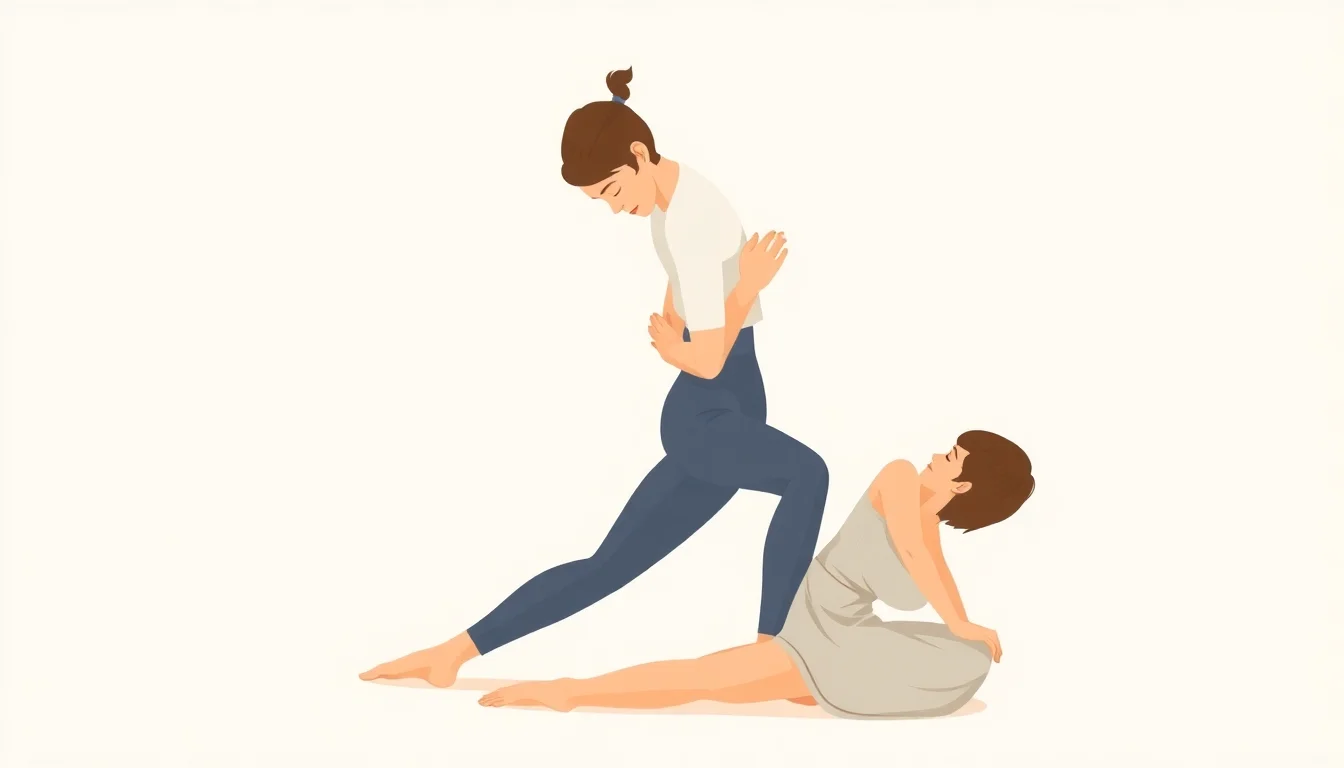
Partner stretching is a practice that involves two people working together to stretch and improve their flexibility. This technique is particularly beneficial for sensory seekers who crave deep pressure and joint mobilization. By working with a partner, individuals can access a wider range of stretches and movements that may be difficult or impossible to achieve alone. For example, proprioceptive exercises can be enhanced with a partner, allowing for more precise and effective movements. Additionally, partner stretching can be a great way to build trust and communication with a partner, which is essential for many sensory seekers.
👫 Benefits for Sensory Seekers
The benefits of partner stretching for sensory seekers are numerous. For one, it provides a sense of deep pressure and joint mobilization, which can be very calming and grounding. Partner stretching can also help to improve flexibility and range of motion, making it easier to engage in other physical activities. Furthermore, the social aspect of partner stretching can be very beneficial for sensory seekers who may struggle with social anxiety or feelings of isolation. By working with a partner, individuals can build confidence and self-esteem, which can translate to other areas of life. As noted by Dr. Temple Grandin, partner stretching can be a great way to provide deep pressure input for individuals with autism spectrum disorder.
🤝 How to Get Started with Partner Stretching
Getting started with partner stretching is relatively easy. First, find a partner who is willing to work with you and has a similar level of flexibility and experience. It's also important to communicate clearly with your partner about your needs and boundaries. Start with simple stretches and gradually increase the intensity and difficulty as you become more comfortable. You can find many resources and tutorials online, including videos and guides from experienced yoga instructors and physical therapists. Additionally, consider working with a sensory therapist who can provide personalized guidance and support.
📍 Finding a Partner Stretching Community
Finding a partner stretching community can be a great way to meet new people and learn new techniques. Many yoga studios and gyms offer partner stretching classes or workshops. You can also search online for partner stretching groups or meetups in your area. Some popular options include partner yoga and acroyoga, which combine elements of yoga, acrobatics, and healing arts. When searching for a community, look for groups that emphasize safety and consent, as well as clear communication and boundary setting.
💆♀️ Techniques and Methods
There are many different techniques and methods used in partner stretching. Some popular options include static stretching, dynamic stretching, and PNF stretching. Static stretching involves holding a stretch for a period of time, while dynamic stretching involves moving through a range of motion. PNF stretching involves contracting and then lengthening a muscle to increase flexibility. It's also important to incorporate breathwork and relaxation techniques into your practice, such as diaphragmatic breathing and progressive muscle relaxation.
📊 Comparison with Solo Stretching
When comparing partner stretching to solo stretching, there are several key differences. For one, partner stretching provides an additional level of support and stability, which can be beneficial for individuals who are new to stretching or have mobility issues. Partner stretching can also provide a sense of accountability and motivation, as you are working with a partner who is relying on you to show up and participate. However, solo stretching can be more convenient and flexible, as you can practice whenever and wherever you like. Ultimately, the choice between partner stretching and solo stretching will depend on your personal preferences and goals. As noted by fitness expert Tony Horton, partner stretching can be a great way to add variety and challenge to your workout routine.
👥 Building Trust and Communication
Building trust and communication with your partner is essential for a safe and effective partner stretching practice. This involves active listening and clear communication about your needs and boundaries. It's also important to establish a sense of mutual respect and trust, which can be built over time through consistent practice and open communication. Consider working with a relationship coach or therapist who can provide guidance on building healthy relationships and communication skills.
🔍 Overcoming Common Challenges
There are several common challenges that may arise when practicing partner stretching. One of the most common is injury or discomfort, which can occur if you are not properly warmed up or if you are pushing yourself too hard. To avoid injury, make sure to warm up thoroughly before practicing and listen to your body and stop if you experience any pain or discomfort. Another common challenge is communication breakdown, which can occur if you and your partner are not on the same page. To avoid communication breakdown, make sure to communicate clearly and respectfully with your partner, and establish a sense of mutual understanding.
📈 Measuring Progress and Success
Measuring progress and success in partner stretching can be a bit more complex than in solo stretching. One way to measure progress is to track your flexibility and range of motion over time. You can also track your strength and endurance, as well as your overall sense of well-being and relaxation. Consider working with a health coach or fitness trainer who can provide personalized guidance and support. Additionally, you can use self-assessment tools such as body awareness and self-reflection to evaluate your progress and identify areas for improvement.
🤝 Advanced Partner Stretching Techniques
Once you have a solid foundation in partner stretching, you can begin to explore more advanced techniques and methods. One popular option is acroyoga, which combines elements of yoga, acrobatics, and healing arts. You can also explore partner massage and partner bodywork, which involve using touch and manipulation to release tension and promote relaxation. Consider working with a sensory therapist or bodyworker who can provide personalized guidance and support.
🌈 Conclusion and Next Steps
In conclusion, partner stretching is a powerful tool for sensory seekers who crave deep pressure and joint mobilization. By working with a partner, individuals can access a wider range of stretches and movements, build trust and communication, and improve their overall sense of well-being and relaxation. Whether you are a seasoned yogi or just starting out, partner stretching can be a great way to add variety and challenge to your practice. So why not give it a try? Find a partner, grab a mat, and get ready to stretch your way to greater flexibility, strength, and relaxation. As noted by yoga philosopher BKS Iyengar, partner stretching can be a great way to cultivate awareness and presence in the body.
Key Facts
- Year
- 2020
- Origin
- Modern Yoga and Fitness Practices
- Category
- Sensory Seeking
- Type
- Wellness Practice
Frequently Asked Questions
What is partner stretching?
Partner stretching is a practice that involves two people working together to stretch and improve their flexibility. This technique is particularly beneficial for sensory seekers who crave deep pressure and joint mobilization. By working with a partner, individuals can access a wider range of stretches and movements that may be difficult or impossible to achieve alone.
What are the benefits of partner stretching?
The benefits of partner stretching include improved flexibility and range of motion, increased sense of deep pressure and joint mobilization, and enhanced social connection and communication. Partner stretching can also help to build trust and confidence, and can be a great way to add variety and challenge to your workout routine.
How do I get started with partner stretching?
Getting started with partner stretching is relatively easy. First, find a partner who is willing to work with you and has a similar level of flexibility and experience. Start with simple stretches and gradually increase the intensity and difficulty as you become more comfortable. You can find many resources and tutorials online, including videos and guides from experienced yoga instructors and physical therapists.
What are some common challenges of partner stretching?
Some common challenges of partner stretching include injury or discomfort, communication breakdown, and difficulty finding a compatible partner. To avoid these challenges, make sure to warm up thoroughly before practicing, communicate clearly and respectfully with your partner, and establish a sense of mutual respect and trust.
How can I measure progress and success in partner stretching?
Measuring progress and success in partner stretching can be a bit more complex than in solo stretching. One way to measure progress is to track your flexibility and range of motion over time. You can also track your strength and endurance, as well as your overall sense of well-being and relaxation. Consider working with a health coach or fitness trainer who can provide personalized guidance and support.
What are some advanced techniques and methods in partner stretching?
Some advanced techniques and methods in partner stretching include acroyoga, partner massage, and partner bodywork. These techniques involve using touch and manipulation to release tension and promote relaxation, and can be a great way to add variety and challenge to your practice. Consider working with a sensory therapist or bodyworker who can provide personalized guidance and support.
How can I find a partner stretching community?
Finding a partner stretching community can be a great way to meet new people and learn new techniques. Many yoga studios and gyms offer partner stretching classes or workshops. You can also search online for partner stretching groups or meetups in your area. Some popular options include partner yoga and acroyoga, which combine elements of yoga, acrobatics, and healing arts.