
Contents
- 🎨 Who Was Pablo Picasso?
- 📍 Key Locations & Museums
- 🖼️ Iconic Masterpieces to See
- 💰 Acquisition & Value
- ⭐ Critical Reception & Legacy
- 💡 Picasso's Artistic Innovations
- 🤔 Understanding Picasso's Styles
- 🤝 Picasso and His Contemporaries
- 📚 Further Exploration
- 📞 Contact & Visit Info
- Frequently Asked Questions
- Related Topics
Overview
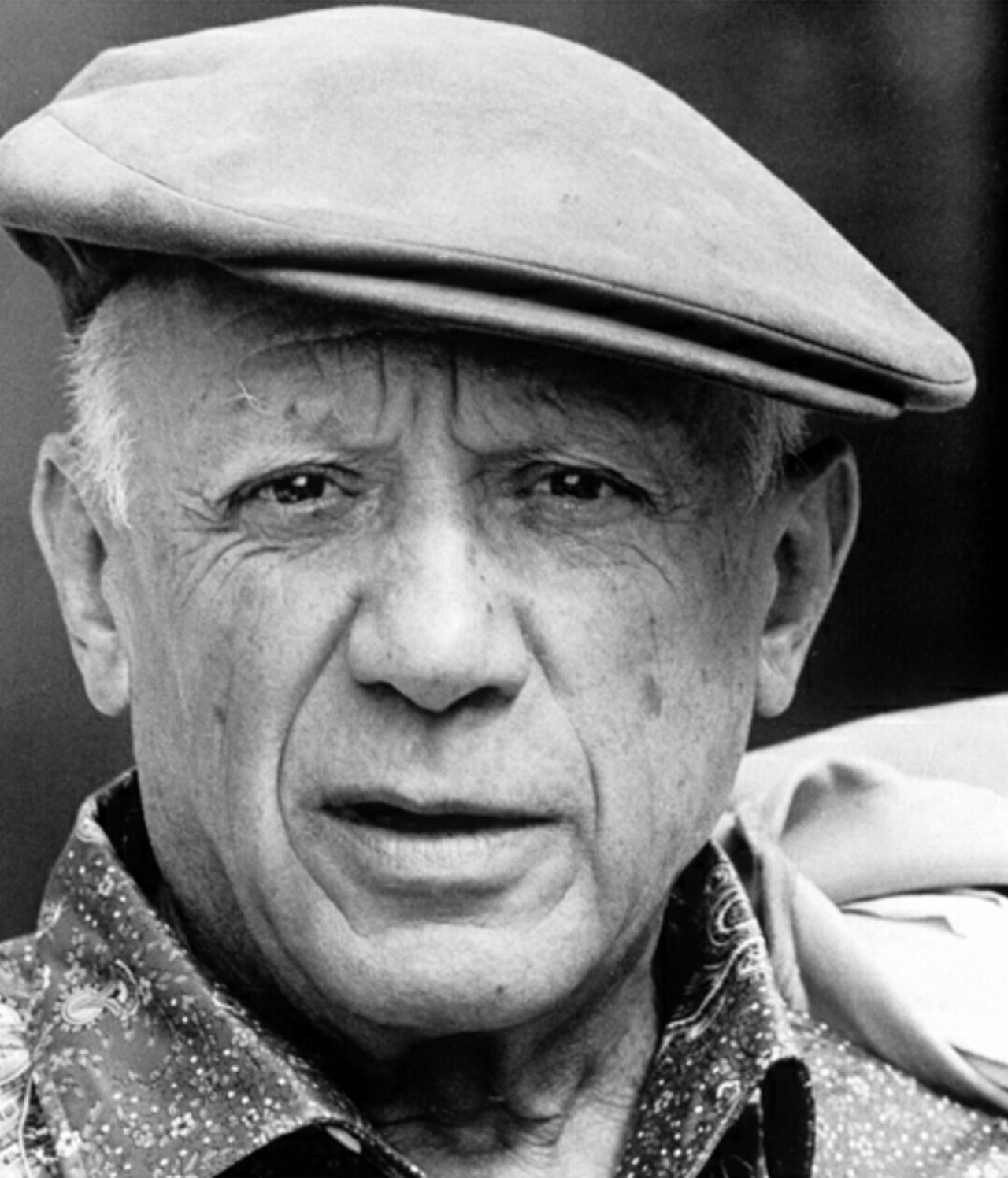
Pablo Picasso (1881-1973) stands as a titan of 20th-century art, a Spanish painter, sculptor, printmaker, and stage designer whose prolific output and relentless innovation redefined artistic expression. Co-founding Cubism with Georges Braque, Picasso shattered traditional perspectives, presenting subjects from multiple viewpoints simultaneously. His career spanned an astonishing array of styles, from the melancholic Blue Period and the vibrant Rose Period to Surrealism and Neoclassicism, demonstrating an unparalleled ability to reinvent himself. Works like 'Les Demoiselles d'Avignon' (1907) and 'Guernica' (1937) are not just masterpieces but potent cultural and political statements, cementing his legacy as an artist whose influence continues to resonate profoundly across the globe.
🎨 Who Was Pablo Picasso?
Pablo Ruiz Picasso (1881-1973) stands as a titan of 20th-century art, a Spanish virtuoso whose prolific career spanned over seven decades. He wasn't just a painter; Picasso was a sculptor, printmaker, ceramicist, and even a theatre designer, constantly pushing boundaries. His name is synonymous with the Cubist movement, a revolutionary approach to depicting reality that shattered traditional perspectives. Beyond Cubism, he co-invented collage techniques and pioneered sculpture from found objects, fundamentally altering the course of modern art. His influence is so pervasive that understanding 20th-century art often begins and ends with his vast output.
📍 Key Locations & Museums
While Picasso spent most of his adult life in France, his Spanish roots are undeniable. Key institutions dedicated to his work are scattered across the globe, with a significant concentration in Europe. The Museo Picasso Málaga in his birthplace offers a deep dive into his early years, while the Picasso Museum Paris houses an extensive collection gifted by his heirs. In New York, the Museum of Modern Art (MoMA) boasts seminal works like Les Demoiselles d'Avignon. Planning a visit often requires booking tickets in advance, especially for major exhibitions, so check museum websites for current hours and admission details.
🖼️ Iconic Masterpieces to See
Picasso's oeuvre is vast, but certain works have achieved legendary status. Les Demoiselles d'Avignon (1907) is a watershed moment, a proto-Cubist masterpiece that challenged Western art conventions. His powerful anti-war statement, Guernica (1937), remains one of the most potent political paintings ever created, depicting the horrors of the bombing during the Spanish Civil War. Other must-see pieces include The Old Guitarist from his Blue Period and portraits from his Rose Period, showcasing his remarkable stylistic evolution.
💰 Acquisition & Value
Acquiring a Picasso is, for most, a dream reserved for major collectors and institutions. His works command astronomical prices at auction, with pieces like Les Femmes d'Alger (Version 'O') fetching over $179 million. The value is determined by factors such as period, medium, condition, provenance, and rarity. For those interested in owning a piece of Picasso's legacy, limited edition prints and ceramics offer more accessible entry points, though still represent significant investments. Authentication is paramount, with specialized bodies verifying genuine works.
⭐ Critical Reception & Legacy
Picasso's reception has been as dynamic as his art. Initially met with shock and controversy, particularly for his Cubist innovations, he quickly became a celebrated figure, albeit one who consistently courted debate. Critics lauded his technical mastery and relentless innovation, while others questioned his commercialism and the sheer volume of his output. His legacy is cemented by his profound impact on subsequent generations of artists across diverse movements, from Abstract Expressionism to Pop Art. His Vibe Score™ remains exceptionally high, reflecting his enduring cultural significance.
💡 Picasso's Artistic Innovations
Picasso's genius lay not just in his execution but in his constant reinvention. He co-founded Cubism with Georges Braque, fracturing objects into geometric forms and presenting multiple viewpoints simultaneously. His invention of constructed sculpture involved assembling found objects into new three-dimensional forms, a radical departure from traditional carving and modeling. Furthermore, his pioneering use of collage in works like Still Life with Chair Caning (1912) integrated everyday materials into fine art, blurring the lines between reality and representation.
🤔 Understanding Picasso's Styles
One of Picasso's most defining characteristics was his ability to move fluidly between distinct stylistic periods. His early Blue Period (1901-1904) is characterized by somber, melancholic tones and themes of poverty and despair. This transitioned into the warmer hues and circus-folk subjects of the Rose Period (1904-1906). The revolutionary African Period (1907-1909) saw him influenced by Iberian and African sculpture, leading directly into the analytical and synthetic phases of Cubism. Later works explored Surrealism, Neoclassicism, and personal mythologies, demonstrating an unparalleled artistic versatility.
🤝 Picasso and His Contemporaries
Picasso didn't operate in a vacuum; his career intersected profoundly with his contemporaries. His close collaboration and friendly rivalry with Georges Braque were instrumental in the development of Cubism. He moved in circles that included Henri Matisse, with whom he shared a complex relationship of admiration and competition, often seen as the two dominant forces in modern European painting. His interactions with writers like Gertrude Stein and poets like Guillaume Apollinaire also shaped his intellectual and artistic milieu, influencing his approach to portraiture and conceptual art.
📚 Further Exploration
For those captivated by Picasso's world, further exploration is richly rewarding. The Picasso Project offers a comprehensive catalog raisonné of his works. Documentaries such as 'The Mystery of Picasso' provide intimate glimpses into his creative process. Reading biographies by authors like John Richardson or Roland Penrose can offer deeper insights into his life and the historical context of his art. Engaging with his extensive writings and interviews also reveals the mind behind the masterpieces.
📞 Contact & Visit Info
Planning a visit to experience Picasso's art firsthand is highly recommended. Major museums like the Museo Picasso Málaga and the Picasso Museum Paris are essential stops. For those seeking to acquire prints or smaller works, reputable galleries specializing in modern masters are the best resource. Always verify authenticity and provenance. Check museum websites for the latest exhibition schedules, ticket information, and visitor guidelines before making travel plans. Many institutions offer virtual tours and online collections for remote access.
Key Facts
- Year
- 1881
- Origin
- Malaga, Spain
- Category
- Artists
- Type
- Person
Frequently Asked Questions
What are Picasso's most famous periods?
Picasso is renowned for distinct stylistic periods, including the melancholic Blue Period (1901-1904), the warmer Rose Period (1904-1906), the groundbreaking Cubism (c. 1907-1914), and his engagement with Surrealism in the 1920s and 30s. Each period showcases a unique palette, subject matter, and approach to form, reflecting his constant artistic evolution.
Where can I see Picasso's Guernica?
The monumental anti-war painting Guernica is permanently displayed at the Museo Reina Sofía in Madrid, Spain. It's a powerful and essential piece for understanding Picasso's political engagement and his response to the atrocities of war during the Spanish Civil War.
How did Picasso invent Cubism?
Picasso, alongside Georges Braque, developed Cubism around 1907. It involved breaking down objects into geometric shapes and depicting them from multiple viewpoints simultaneously, challenging traditional perspective. Key influences included Paul Cézanne's late work and Iberian and African sculpture, evident in works like Les Demoiselles d'Avignon.
Is it possible to buy original Picasso artwork?
Original paintings by Picasso are extremely rare and command prices in the tens or hundreds of millions of dollars, typically sold through major auction houses like Sotheby's or Christie's, or via private dealers. More accessible options include original prints, drawings, and ceramics, which still represent significant investments but are more attainable for serious collectors.
What was Picasso's relationship with Henri Matisse?
Picasso and Henri Matisse were contemporaries and often seen as rivals, yet they shared a deep mutual respect and influence. They engaged in a lifelong dialogue through their art, pushing each other's creative boundaries. While their styles differed significantly—Picasso's often more aggressive and experimental, Matisse's more focused on color and decorative harmony—both were pivotal figures in shaping modern art.
What materials did Picasso use?
Picasso was incredibly versatile, working with oil paint, charcoal, ink, pastel, and pencil on canvas, paper, and board. He also extensively explored sculpture using bronze, wood, metal, and found objects. His ceramic work involved earthenware, and he created numerous prints through techniques like etching, lithography, and linocut.