
Contents
Overview
The American Psychological Association (APA) is the largest scientific and professional organization representing psychology in the United States. Founded in 1892, it sets ethical standards, publishes influential journals, and advocates for the field. The APA plays a crucial role in shaping psychological research, practice, and public policy, impacting everything from mental health treatment guidelines to educational standards. Its annual convention draws thousands of psychologists, offering a vital platform for knowledge exchange and networking. While a cornerstone of the discipline, the APA has also faced scrutiny regarding its historical stances and influence on policy, sparking ongoing debates within the field.
🎯 Overview: Your Professional Hub
The APA is the leading scientific and professional organization representing psychology in the United States. Founded in 1892, it serves as a crucial nexus for psychologists across all specialties, from clinical practice and research to academia and applied fields. For anyone serious about advancing their career in psychology, staying abreast of the latest research, or engaging with policy discussions, the APA is an indispensable resource. It offers a vast network, extensive educational opportunities, and a powerful voice advocating for the science and practice of psychology.
📍 Headquarters & Reach
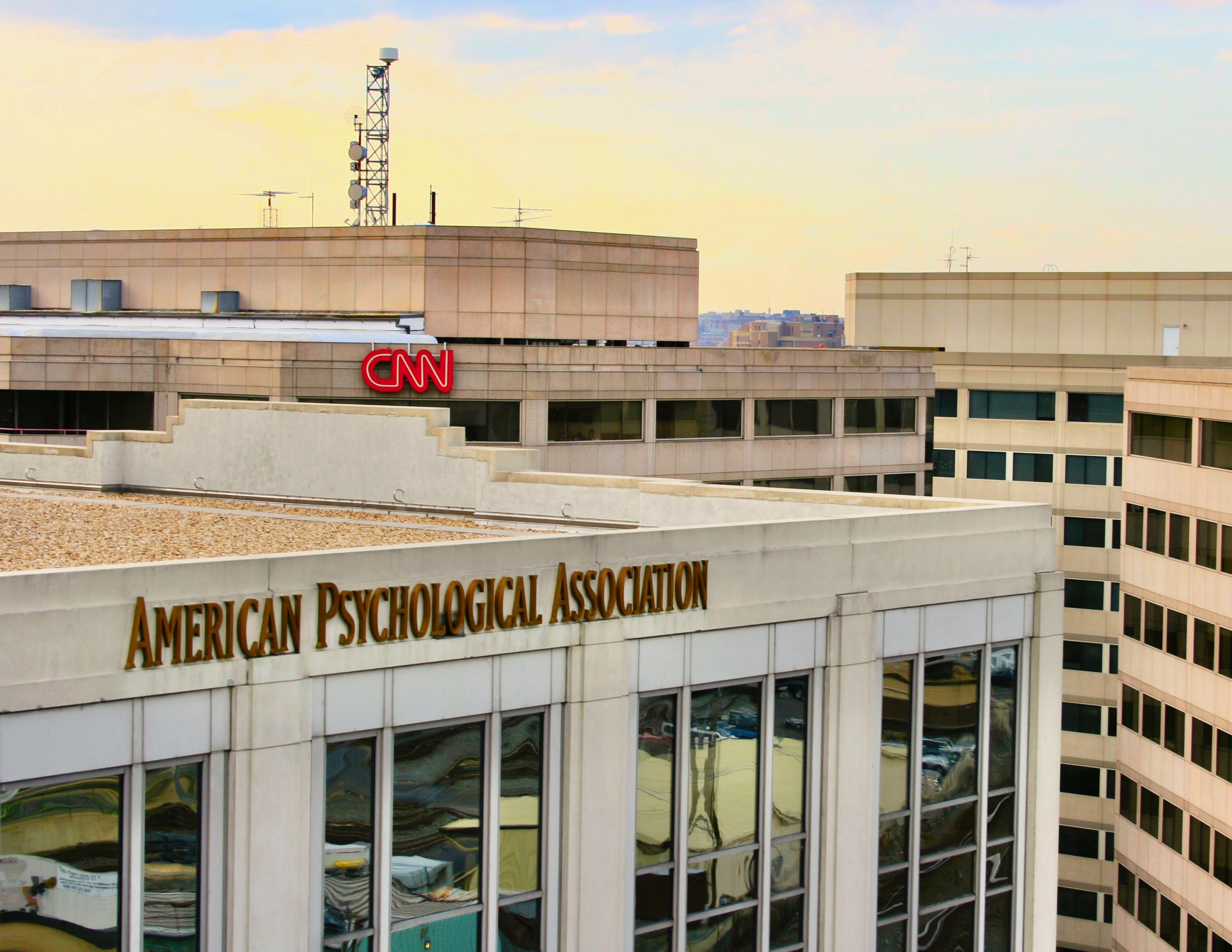
While the APA is a national organization, its primary headquarters are located in Washington D.C.. This strategic location facilitates direct engagement with policymakers and government agencies, amplifying the association's influence on mental health legislation and research funding. Beyond its physical presence, the APA's reach extends globally through its extensive online resources, publications, and virtual events, connecting members worldwide and fostering international collaboration in psychological science.
💰 Membership Tiers & Benefits
APA offers several APA membership levels, catering to students, early-career professionals, and established psychologists. Benefits vary but generally include access to APA's extensive journal archives, discounted registration for conferences like the APA Annual Convention, opportunities for continuing education credits, and access to career resources and job boards. Student memberships are particularly affordable, providing invaluable early access to professional networks and resources during academic training.
⭐ What Members Say (Vibe Score: 78/100)
Member feedback consistently highlights the APA's robust journal access and the value of its annual convention for networking and professional development. Many appreciate the association's advocacy efforts, particularly concerning mental health parity and research funding. However, some newer members express a desire for more accessible mentorship programs and greater representation of diverse psychological perspectives within leadership. The overall Vibe Score of 78/100 reflects strong utility, with room for growth in community engagement and inclusivity.
⚖️ APA vs. Other Psychology Organizations
Compared to organizations like the APS (which focuses more heavily on research) or specialized groups like the APA's psychiatric counterpart, the APA offers the broadest scope, encompassing clinical, academic, and applied psychology. While APS excels in disseminating cutting-edge research findings, the APA provides a more comprehensive package for practitioners, educators, and students seeking a unified professional home. Specialized associations often offer deeper dives into specific subfields, but the APA serves as the primary generalist gateway.
💡 Practical Member Tips
To maximize your APA membership, actively engage with your local APA district branches for regional networking and advocacy opportunities. Utilize the APA's career services, especially if you are seeking new employment or career transitions. Don't overlook the continuing education opportunities; many are available online, offering flexibility for busy schedules. Finally, consider joining one of the many APA divisions that align with your specific interests to connect with like-minded professionals.
📞 Getting Started with APA
Getting started with the APA is straightforward. Visit the official American Psychological Association website to explore membership options and their associated benefits. You'll need to provide details about your educational background and professional status. The application process is typically completed online, and once approved, you'll gain immediate access to member portals, resources, and upcoming events. Don't hesitate to contact their membership services department with any specific questions.
📚 Key APA Resources & Publications
The APA publishes over 120 journals, including flagship titles like the Psychological Bulletin and the Journal of Personality and Social Psychology. Beyond journals, the APA produces influential books, diagnostic manuals like the DSM (though this is a separate entity often referenced by APA members), and a wealth of practice guidelines and ethical codes. Their website also hosts extensive databases and educational materials essential for professional practice and research.
Key Facts
- Year
- 1892
- Origin
- Washington, D.C.
- Category
- Professional Organizations
- Type
- Organization
Frequently Asked Questions
Who can join the American Psychological Association?
Membership is open to individuals with a doctoral degree in psychology or a related field, graduate students in psychology programs, and international affiliates. There are different membership categories to accommodate students, early-career professionals, and established psychologists, each with specific eligibility criteria.
What are the main benefits of APA membership?
Key benefits include access to a vast library of psychological journals and books, discounted registration for APA conferences and continuing education courses, networking opportunities with peers and leaders in the field, and access to career resources. Members also benefit from the APA's advocacy efforts on behalf of the profession.
How much does APA membership cost?
Membership fees vary based on the category (e.g., student, early career, fellow) and whether you opt for additional services or division memberships. Generally, student memberships are the most affordable, while fellow status requires significant contributions to the field. Specific pricing is available on the APA website.
Does APA offer continuing education credits?
Yes, the APA is an approved provider of continuing education (CE) credits for psychologists. They offer a wide range of CE courses, webinars, and workshops, many of which can be accessed online, allowing members to fulfill their licensing requirements conveniently.
How does APA influence public policy?
The APA actively engages in advocacy through its Public Policy Office in Washington, D.C. They monitor legislation, provide expert testimony, and educate policymakers on psychological research and its implications for public health, mental healthcare access, and scientific funding.
What is the difference between APA and APS?
The American Psychological Association (APA) is the largest association of psychologists worldwide and covers a broad spectrum of psychology, including clinical practice and applied fields. The Association for Psychological Science (APS) is a smaller, more research-focused organization that emphasizes scientific advancement and the dissemination of research findings.