
Summary
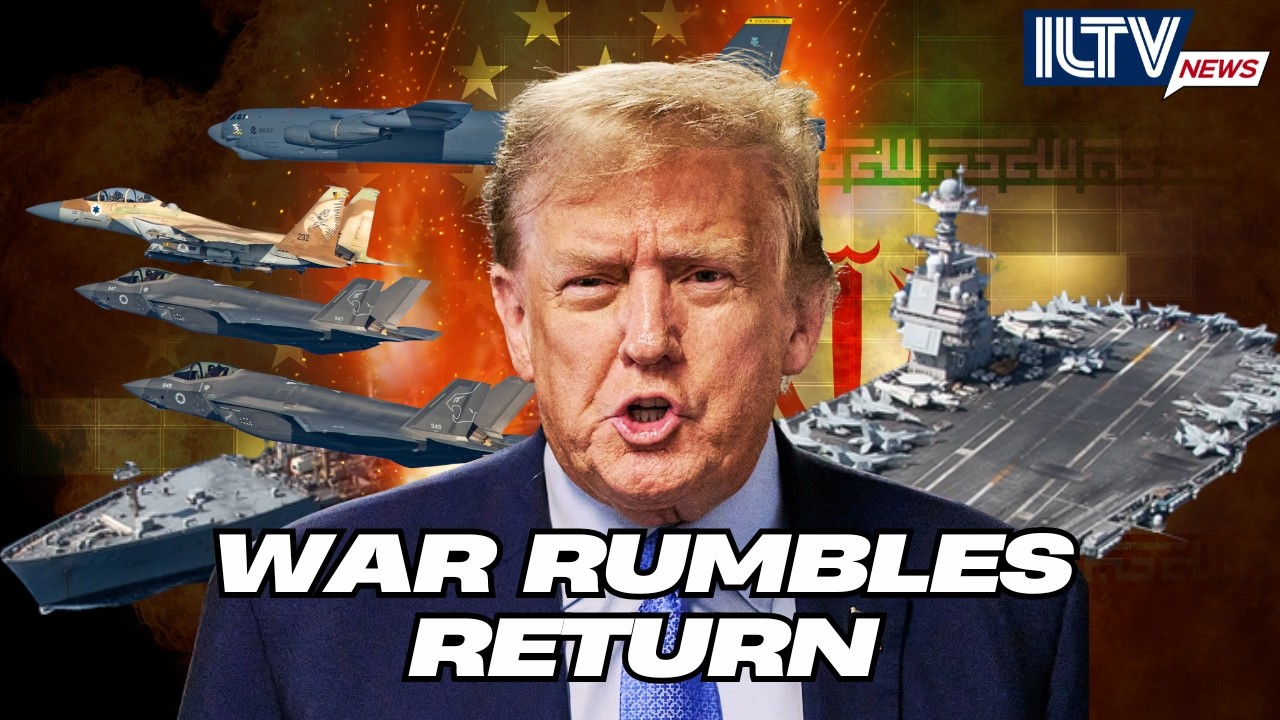
President **Donald Trump** has informed Congress that he does not require their authorization for ongoing military operations in **Iran**, citing a ceasefire that has passed the **60-day** mark. In letters sent to House and Senate leaders, Trump declared the **War Powers Act** 'unconstitutional' and asserted his authority as Commander in Chief. The conflict, which began on **February 28, 2026**, saw U.S. military strikes, followed by a temporary ceasefire on **April 8, 2026**, intended to facilitate peace negotiations. Despite the cessation of hostilities, Trump's administration argues the threat from Iran persists, justifying continued unilateral action. This move directly challenges the **1973 War Powers Resolution**, which mandates congressional approval for sustained military engagements.
Key Takeaways
- President Trump has asserted that he does not need congressional authorization for military operations in Iran.
- He cites a ceasefire that has passed the 60-day mark as justification for bypassing the War Powers Act.
- Trump has declared the War Powers Act 'unconstitutional' in his letters to Congress.
- The conflict officially began on February 28, 2026, with U.S. military strikes.
- This move reignites the long-standing debate over executive versus legislative authority in initiating and sustaining military action.
Balanced Perspective
President Trump's letters to Congress signal a clear intent to bypass the War Powers Act, a law designed to limit presidential war-making powers. The administration's interpretation hinges on the ceasefire effectively terminating hostilities, thus resetting or negating the 60-day clock. However, the ongoing threat and continued military presence suggest a de facto continuation of conflict, raising legal and constitutional questions about the necessity of congressional authorization.
Optimistic View
This action demonstrates a decisive executive capable of swiftly responding to threats without being bogged down by legislative processes. By asserting his constitutional authority, Trump is ensuring that national security decisions are made efficiently, prioritizing the protection of U.S. forces and interests abroad. The focus remains on achieving peace and stability, with Congress being kept informed as a courtesy, not a requirement.
Critical View
This represents a dangerous overreach of executive power, undermining the constitutional role of Congress in matters of war. By unilaterally deciding that congressional authorization is unnecessary, Trump sets a precedent for future presidents to circumvent checks and balances, potentially leading to prolonged, undeclared wars. The failure to secure a formal authorization leaves the U.S. in a legally ambiguous and potentially unstable military posture.
Source
Originally reported by NBC News