
Contents
- 🎙️ Introduction to Podcasting
- 📊 Choosing Your Niche
- 🎧 Equipment and Software
- 📄 Planning Your Content
- 📝 Writing Your Script
- 🎤 Recording and Editing
- 📈 Publishing and Promotion
- 📊 Measuring Success
- 📈 Growing Your Audience
- 🤝 Collaborating with Guests
- 📊 Monetizing Your Podcast
- 📈 Future of Podcasting
- Frequently Asked Questions
- Related Topics
Overview
Starting a podcast can seem daunting, but with the right guidance, anyone can turn their ideas into engaging audio content. The history of podcasting dates back to the early 2000s, with pioneers like Adam Curry and Dave Winer paving the way. Today, with over 800,000 active podcasts and more than 28 million episodes available, the medium has become a significant part of modern media, offering a vibe score of 80 due to its high cultural energy and continuous growth. To begin, one must first define their niche and target audience, considering the controversy spectrum of their topic and how it might influence their listener base. The process involves planning content, investing in quality recording equipment such as microphones from brands like Blue Yeti or Rode NT-USB, and software like Audacity or Adobe Audition, before finally publishing and promoting the podcast on platforms like Apple Podcasts, Spotify, or Google Podcasts. As of 2023, the influence of social media on podcast discovery has become a significant factor, with many creators using Instagram and Twitter to build their audience. The future of podcasting looks promising, with advancements in AI and voice technology expected to further democratize content creation and consumption, potentially reaching a wider audience and increasing the medium's cultural resonance.
🎙️ Introduction to Podcasting
Welcome to the world of podcasting, where you can share your voice and connect with a global audience. With over 800,000 active podcasts, the competition is fierce, but with the right guidance, you can stand out from the crowd. To get started, you'll need to choose a niche, which is a specific topic or theme for your podcast. Consider what you're passionate about and what you're knowledgeable about, and then research popular podcasts in that niche using tools like Podcast Directory and Google Trends. You can also use online communities like Reddit to find inspiration and connect with potential listeners. Once you've chosen your niche, you can start thinking about your target audience and what kind of content they'll be interested in. For more information on finding your niche, check out Finding Your Niche.
📊 Choosing Your Niche
Choosing your niche is a crucial step in creating a successful podcast. You'll want to choose a topic that you're passionate about and that has a dedicated audience. Consider what you're knowledgeable about and what you enjoy talking about, and then research popular podcasts in that niche. You can use tools like Apple Podcasts and Spotify to find popular podcasts and see what they're doing well. You can also use online communities like Quora to ask questions and get feedback from potential listeners. Once you've chosen your niche, you can start thinking about your unique angle and what sets your podcast apart from others. For more information on choosing your niche, check out Choosing Your Niche. You can also learn from successful podcasters like Gary Vaynerchuk and Tim Ferriss.
🎧 Equipment and Software
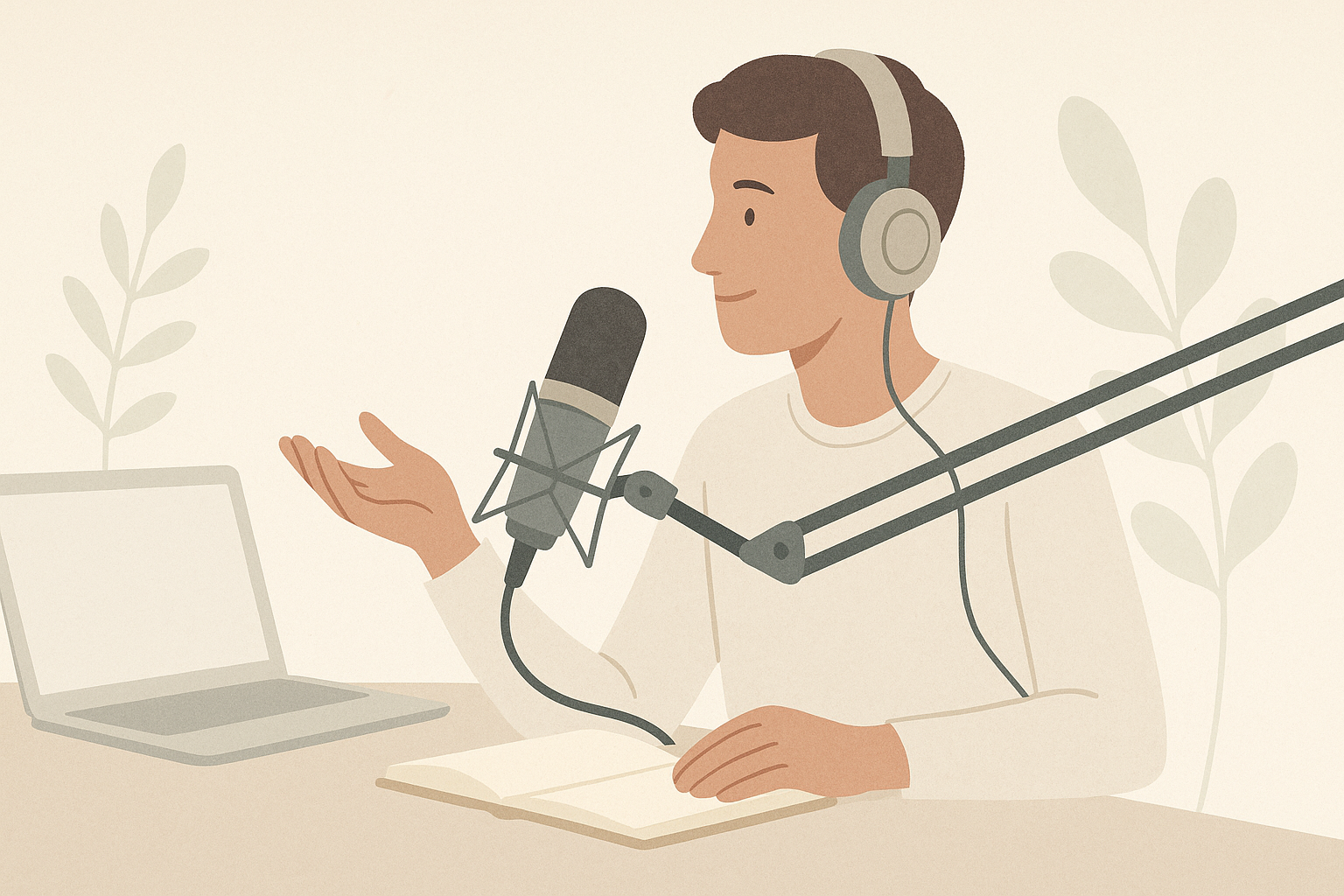
When it comes to equipment and software, you don't need to break the bank to get started. You can start with a basic microphone like the Blue Yeti and a pair of headphones like the Sony MDR-7506. You'll also need a computer and recording software like Audacity or Adobe Audition. Consider investing in a portable recorder like the Zoom H5 for remote interviews. You can also use online tools like Zencastr and Squadcast to record remote interviews. For more information on equipment and software, check out Equipment and Software. You can also learn from experts like Pat Flynn and John Lee Dumas.
📄 Planning Your Content
Planning your content is a crucial step in creating a successful podcast. You'll want to think about the types of episodes you'll create, the format of your show, and the tone you'll use. Consider creating a content calendar to help you stay organized and ensure that you're consistently releasing new episodes. You can use tools like Trello and Asana to plan and organize your content. You can also use online communities like Facebook Groups to connect with other podcasters and get feedback on your ideas. Once you've planned your content, you can start thinking about your script and how you'll bring your ideas to life. For more information on planning your content, check out Planning Your Content. You can also learn from successful podcasters like Sarah Lendquist and Chris Guillebeau.
📝 Writing Your Script
Writing your script is a crucial step in creating a successful podcast. You'll want to think about the structure of your episode, the tone you'll use, and the key points you'll cover. Consider creating an outline to help you stay organized and ensure that you're covering all the necessary points. You can use tools like Evernote and Google Docs to write and edit your script. You can also use online communities like Scriptwriting Subreddit to get feedback on your script and connect with other writers. Once you've written your script, you can start thinking about recording and editing your episode. For more information on writing your script, check out Writing Your Script. You can also learn from experts like Scriptwriting Expert and Copywriting Expert.
🎤 Recording and Editing
Recording and editing your podcast is a crucial step in creating a high-quality show. You'll want to think about the equipment you'll use, the software you'll use, and the techniques you'll use to get the best sound possible. Consider investing in a good pair of headphones and a microphone, and using software like Audacity or Adobe Audition to edit your episodes. You can also use online tools like Zencastr and Squadcast to record remote interviews. Once you've recorded and edited your episode, you can start thinking about publishing and promoting your show. For more information on recording and editing, check out Recording and Editing. You can also learn from experts like Audio Engineer and Music Producer.
📈 Publishing and Promotion
Publishing and promoting your podcast is a crucial step in getting your show in front of a wider audience. You'll want to think about the platforms you'll use to distribute your show, the marketing strategies you'll use to promote your show, and the analytics tools you'll use to track your progress. Consider using platforms like Apple Podcasts and Spotify to distribute your show, and using social media platforms like Twitter and Facebook to promote your show. You can also use online communities like Podcasters Support Group to connect with other podcasters and get feedback on your show. Once you've published and promoted your show, you can start thinking about measuring your success and growing your audience. For more information on publishing and promoting, check out Publishing and Promoting. You can also learn from successful podcasters like Gary Vaynerchuk and Tim Ferriss.
📊 Measuring Success
Measuring the success of your podcast is a crucial step in understanding what's working and what's not. You'll want to think about the metrics you'll use to track your progress, the tools you'll use to analyze your data, and the strategies you'll use to adjust your approach. Consider using analytics tools like Google Analytics and Apple Podcasts Analytics to track your progress, and using social media metrics like Twitter Engagement and Facebook Insights to track your reach. You can also use online communities like Podcasters Support Group to connect with other podcasters and get feedback on your show. Once you've measured your success, you can start thinking about growing your audience and increasing your reach. For more information on measuring success, check out Measuring Success. You can also learn from experts like Data Analyst and Marketing Expert.
📈 Growing Your Audience
Growing your audience is a crucial step in taking your podcast to the next level. You'll want to think about the strategies you'll use to attract new listeners, the tactics you'll use to retain existing listeners, and the tools you'll use to track your progress. Consider using social media platforms like Twitter and Facebook to promote your show, and using email marketing tools like Mailchimp to connect with your listeners. You can also use online communities like Podcasters Support Group to connect with other podcasters and get feedback on your show. Once you've grown your audience, you can start thinking about collaborating with guests and creating new content. For more information on growing your audience, check out Growing Your Audience. You can also learn from successful podcasters like Gary Vaynerchuk and Tim Ferriss.
🤝 Collaborating with Guests
Collaborating with guests is a great way to add variety to your show and attract new listeners. You'll want to think about the types of guests you'll invite, the topics you'll discuss, and the format you'll use. Consider using online communities like Podcasters Support Group to connect with other podcasters and find potential guests. You can also use social media platforms like Twitter and Facebook to promote your episodes and attract new listeners. Once you've collaborated with guests, you can start thinking about monetizing your podcast and creating a sustainable business model. For more information on collaborating with guests, check out Collaborating with Guests. You can also learn from successful podcasters like Gary Vaynerchuk and Tim Ferriss.
📊 Monetizing Your Podcast
Monetizing your podcast is a crucial step in creating a sustainable business model. You'll want to think about the strategies you'll use to generate revenue, the tools you'll use to track your income, and the tactics you'll use to adjust your approach. Consider using advertising platforms like Google AdWords and Facebook Ads to generate revenue, and using affiliate marketing tools like Amazon Associates to promote products and services. You can also use online communities like Podcasters Support Group to connect with other podcasters and get feedback on your monetization strategies. Once you've monetized your podcast, you can start thinking about the future of podcasting and how you'll adapt to changing trends and technologies. For more information on monetizing your podcast, check out Monetizing Your Podcast. You can also learn from experts like Marketing Expert and Business Coach.
📈 Future of Podcasting
The future of podcasting is exciting and uncertain, with new trends and technologies emerging all the time. You'll want to think about the ways you'll adapt to changing listener habits, the strategies you'll use to stay ahead of the competition, and the tools you'll use to track your progress. Consider using online communities like Podcasters Support Group to connect with other podcasters and get feedback on your ideas, and using social media platforms like Twitter and Facebook to promote your show and attract new listeners. You can also use analytics tools like Google Analytics and Apple Podcasts Analytics to track your progress and adjust your approach. For more information on the future of podcasting, check out Future of Podcasting. You can also learn from experts like Futurist and Industry Analyst.
Key Facts
- Year
- 2023
- Origin
- Vibepedia.wiki
- Category
- Digital Media
- Type
- Tutorial
- Format
- how-to
Frequently Asked Questions
What is the best way to choose a niche for my podcast?
Choosing a niche for your podcast can be a challenging task, but there are several strategies you can use to make it easier. Consider what you're passionate about and what you're knowledgeable about, and then research popular podcasts in that niche using tools like Podcast Directory and Google Trends. You can also use online communities like Reddit to find inspiration and connect with potential listeners. For more information on choosing a niche, check out Choosing Your Niche.
What equipment do I need to start a podcast?
To start a podcast, you'll need a few basic pieces of equipment, including a microphone, headphones, and a computer. Consider investing in a good quality microphone like the Blue Yeti and a pair of headphones like the Sony MDR-7506. You'll also need recording software like Audacity or Adobe Audition. For more information on equipment, check out Equipment and Software.
How do I promote my podcast?
Promoting your podcast is a crucial step in getting your show in front of a wider audience. Consider using social media platforms like Twitter and Facebook to promote your show, and using email marketing tools like Mailchimp to connect with your listeners. You can also use online communities like Podcasters Support Group to connect with other podcasters and get feedback on your show. For more information on promoting your podcast, check out Promoting Your Podcast.
How do I measure the success of my podcast?
Measuring the success of your podcast is a crucial step in understanding what's working and what's not. Consider using analytics tools like Google Analytics and Apple Podcasts Analytics to track your progress, and using social media metrics like Twitter Engagement and Facebook Insights to track your reach. For more information on measuring success, check out Measuring Success.
What are some common mistakes to avoid when starting a podcast?
There are several common mistakes to avoid when starting a podcast, including not choosing a specific niche, not investing in quality equipment, and not promoting your show consistently. Consider using online communities like Podcasters Support Group to connect with other podcasters and get feedback on your ideas, and using social media platforms like Twitter and Facebook to promote your show and attract new listeners. For more information on avoiding common mistakes, check out Avoiding Common Mistakes.
How do I collaborate with guests on my podcast?
Collaborating with guests is a great way to add variety to your show and attract new listeners. Consider using online communities like Podcasters Support Group to connect with other podcasters and find potential guests, and using social media platforms like Twitter and Facebook to promote your episodes and attract new listeners. For more information on collaborating with guests, check out Collaborating with Guests.
What are some ways to monetize my podcast?
There are several ways to monetize your podcast, including using advertising platforms like Google AdWords and Facebook Ads, and using affiliate marketing tools like Amazon Associates to promote products and services. Consider using online communities like Podcasters Support Group to connect with other podcasters and get feedback on your monetization strategies. For more information on monetizing your podcast, check out Monetizing Your Podcast.