
Contents
- 🚗 What Exactly Are Warning Triangles?
- 🚦 When and Why You Need One
- 🛠️ Types and Features to Consider
- ⚖️ Legal Requirements & Standards
- 📍 Where to Find Warning Triangles
- 💰 Pricing and Value
- ⭐ User Reviews & Ratings
- 🤔 Comparing Your Options
- 💡 Pro Tips for Effective Use
- 📞 Getting Started
- Frequently Asked Questions
- Related Topics
Overview
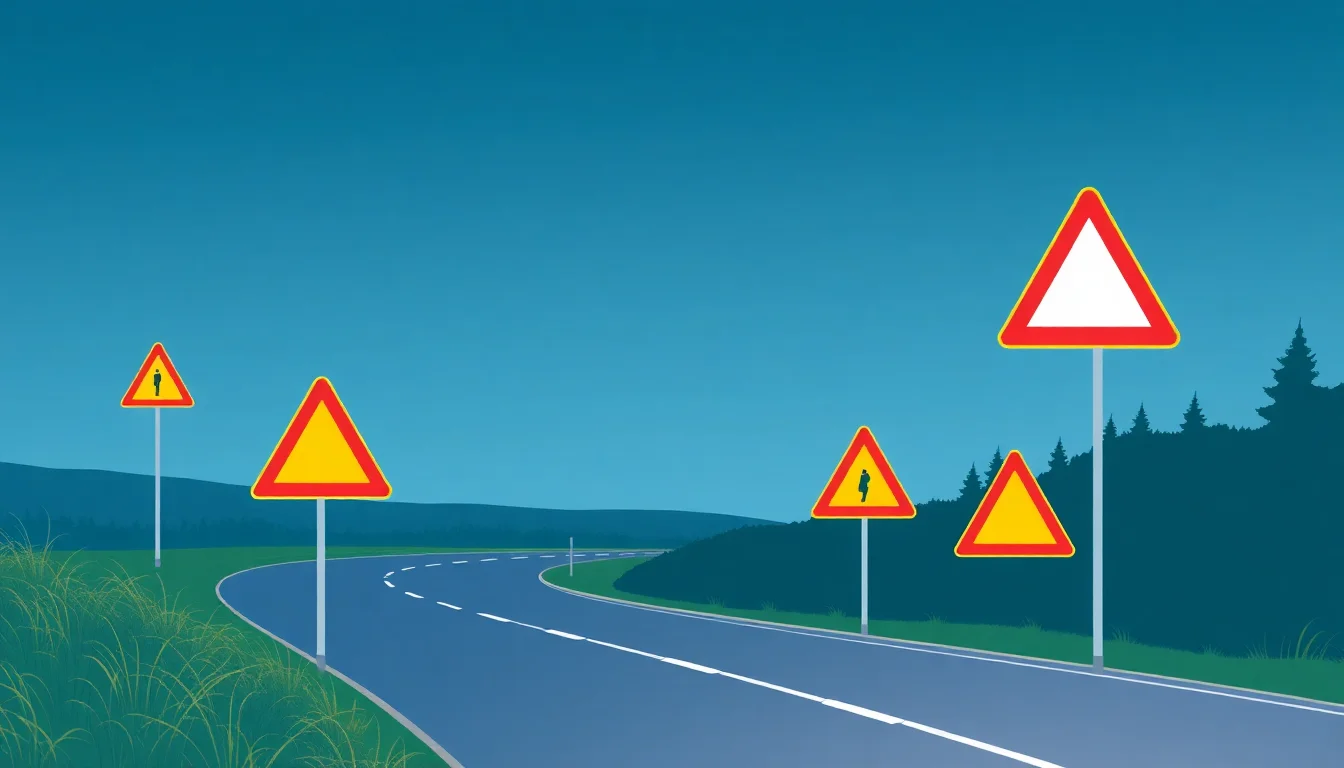
A warning triangle is a crucial piece of automotive safety equipment designed to alert other drivers to a stationary vehicle breakdown or hazard. Typically a collapsible, reflective triangle, it's deployed behind your vehicle to provide advance warning, especially in low-visibility conditions or on high-speed roads. Think of it as your vehicle's distress signal, giving approaching motorists time to react and avoid a collision. Most modern triangles are made from durable plastic and feature highly reflective surfaces, often with a fluorescent orange color for maximum daytime visibility. They are a fundamental component of any emergency roadside kit, offering a passive but vital layer of protection.
🚦 When and Why You Need One
The primary purpose of a warning triangle is to prevent secondary accidents. You'll need one if your vehicle breaks down, runs out of fuel, or is involved in an incident that causes it to stop unexpectedly on or near a roadway. It's particularly critical on highways, rural roads, or any location where visibility is compromised due to curves, hills, fog, rain, or darkness. Deploying a warning triangle significantly increases the safety margin for you, your passengers, and other road users by clearly marking the hazard zone. It's not just about being seen; it's about proactively managing risk when your vehicle is incapacitated.
🛠️ Types and Features to Consider
Warning triangles come in various forms, but the most common are collapsible, freestanding units. Key features to look for include stability – a wide, sturdy base is essential to prevent tipping in wind. Reflectivity is paramount; ensure it meets relevant safety standards (like ECE R27 in Europe). Some models include a weighted base or stabilizing legs for added security. Consider the size and portability; a compact, foldable design that fits easily into your trunk or glove compartment is ideal. The material should be robust enough to withstand outdoor elements without degrading quickly. Some kits may also include reflective vests and gloves for added personal safety.
⚖️ Legal Requirements & Standards
Legal requirements for carrying warning triangles vary significantly by region and country. In many European countries, carrying at least one, and sometimes two, warning triangles is mandatory by law, with specific standards (like ECE R27) dictating their design and performance. In the United States, while not universally mandated by federal law, many states have specific regulations regarding their use during breakdowns, and they are often included in recommended emergency kits. Always check your local traffic laws to ensure compliance and avoid potential fines. Failure to have or properly deploy a warning triangle can have serious consequences.
📍 Where to Find Warning Triangles
You can find warning triangles at most automotive parts stores, big-box retailers with automotive sections, and online marketplaces. Major auto parts chains like AutoZone, Advance Auto Parts, and O'Reilly Auto Parts typically stock them year-round. Online giants such as Amazon and Walmart also offer a wide selection from various brands. For specialized or higher-quality options, consider dedicated emergency preparedness or RV supply stores. When purchasing, check product descriptions carefully for compliance with local regulations and reviews regarding durability and ease of use.
💰 Pricing and Value
The price of a warning triangle can range from as little as $10 for a basic, single unit to $50 or more for premium kits that include multiple triangles, reflective vests, and carrying cases. For most drivers, a reliable, single warning triangle that meets safety standards will cost between $15 and $30. The value lies not in the cost, but in the safety it provides. Investing in a well-made, highly visible triangle is a small price to pay for potentially preventing a serious accident and ensuring your safety during roadside emergencies. Consider the longevity and robustness of the materials when evaluating price.
⭐ User Reviews & Ratings
User reviews often highlight the stability and reflectivity of warning triangles. Look for comments on how well they stand up in windy conditions and how visible they are at night. Many users appreciate compact, easy-to-store designs. Conversely, negative reviews might point to flimsy construction, bases that are too light, or reflective material that degrades over time. Pay attention to ratings that mention compliance with specific safety standards, as this indicates a product has undergone testing. A high average rating (4.5 stars and above) from a significant number of reviews is generally a good indicator of a dependable product.
🤔 Comparing Your Options
When comparing warning triangles, consider the number of triangles included (some kits offer two for greater visibility or use on divided highways). Check the base design for stability – a wider, heavier base is usually better. Ensure the reflective material is of high quality and meets recognized safety standards. Portability is also key; a triangle that folds compactly into a durable case is easier to keep in your vehicle. Some drivers opt for illuminated triangles or those with built-in LED lights for enhanced nighttime visibility, though these are typically more expensive and may have battery requirements.
💡 Pro Tips for Effective Use
Deploy your warning triangle promptly and safely. If possible, pull your vehicle as far off the road as safely allows. Place the triangle at an appropriate distance behind your vehicle to give oncoming traffic ample warning – typically 50-100 feet (15-30 meters) on normal roads, and up to 300 feet (90 meters) on high-speed highways or curves. Always wear a reflective vest when exiting your vehicle to deploy or retrieve the triangle, especially at night or in poor weather. Ensure the triangle is placed perpendicular to the road, facing oncoming traffic. Retrieve it only when it is safe to merge back into traffic.
📞 Getting Started
To get started, assess your local legal requirements for carrying warning triangles. Visit a local auto parts store or browse reputable online retailers to find a triangle that meets these standards and fits your budget. Look for models with good stability and high reflectivity. Once purchased, familiarize yourself with how to deploy and retrieve it safely. Store it in an easily accessible location within your vehicle, such as the trunk or under a seat, so you can reach it quickly in an emergency. Consider adding a reflective vest to your emergency kit for added personal safety.
Key Facts
- Year
- 1960
- Origin
- Germany
- Category
- Automotive Safety Equipment
- Type
- Product/Device
Frequently Asked Questions
How far behind my car should I place a warning triangle?
The distance varies by road type and speed. On standard roads, place it about 50-100 feet (15-30 meters) behind your vehicle. On high-speed highways or where visibility is limited (like on a curve or hill), extend this to 300 feet (90 meters) or more to give drivers ample warning time. Always prioritize your safety when deploying it.
Are warning triangles legally required everywhere?
No, not everywhere, but they are mandatory in many countries, particularly in Europe under ECE R27 regulations. While federal law in the US doesn't mandate them, many states have laws regarding their use during breakdowns, and they are highly recommended. Always check the specific laws for your region or country of travel.
What makes a warning triangle effective?
Effectiveness comes from high reflectivity, a stable base that prevents tipping, and appropriate placement. The bright fluorescent orange color enhances daytime visibility, while the reflective material bounces back light from headlights at night. A sturdy construction ensures it remains upright and visible even in adverse weather conditions.
Can I use my hazard lights instead of a warning triangle?
Hazard lights are essential and should be activated immediately upon stopping. However, they are often not sufficient on their own, especially at night or on high-speed roads where they may not provide enough advance warning. A warning triangle provides a much larger, more visible, and static signal that complements hazard lights.
How do I store a warning triangle in my car?
Most warning triangles are designed to fold compactly into a plastic case or sleeve. Store it in an easily accessible location, such as the trunk, under a seat, or in a dedicated compartment. The goal is to be able to retrieve it quickly and safely when needed, without having to rummage through your belongings.
What's the difference between a warning triangle and a flare?
A warning triangle is a passive, reusable safety device that reflects light. A road flare is an active, pyrotechnic device that produces light and heat for a limited time. Triangles are generally preferred for their durability, reusability, and lack of fire hazard, though flares can offer intense, immediate visibility.