
Contents
Overview
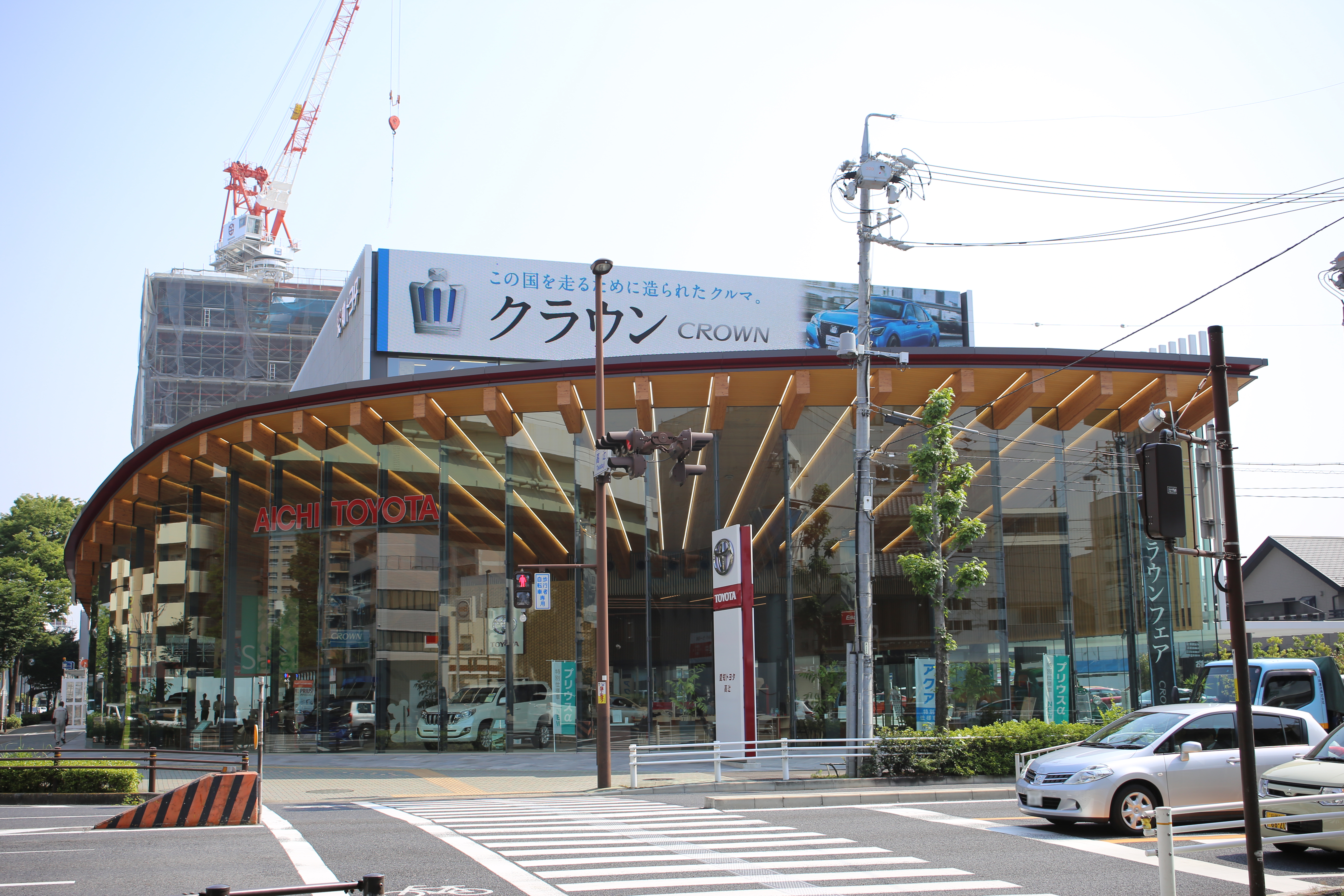
Toyota dealerships form a vast, globally integrated network responsible for the sales, service, and distribution of Toyota vehicles. These dealerships operate under strict brand guidelines, ensuring a consistent customer experience across different regions. Globally, dealerships serve as the primary point of contact for consumers, offering everything from new and used vehicle sales to maintenance, repairs, and parts. The network's efficiency and reach are critical to Toyota's status as one of the world's largest automotive manufacturers, with millions of vehicles sold annually through thousands of independently owned but brand-affiliated locations.
🎵 Origins & History
The genesis of Toyota dealerships is intrinsically linked to the rise of Toyota Motor Corporation itself, which began producing automobiles. Early distribution efforts were localized, focusing on establishing a presence within Japan. The formalization of distinct dealership chains became a strategic move to segment the market and offer specialized models, a system that persisted for decades. This tiered approach, where certain vehicles were exclusive to specific chains, was designed to foster brand loyalty and cater to diverse consumer preferences.
⚙️ How It Works
Toyota dealerships function as the crucial interface between the manufacturer and the end consumer. Each dealership is typically an independently owned and operated business, though it adheres rigorously to Toyota Motor Corporation's operational standards, branding, and service protocols. The sales process involves showcasing new and pre-owned Toyota vehicles, facilitating test drives, managing financing options, and completing the transaction. Post-sale, dealerships provide essential after-sales services, including scheduled maintenance, warranty repairs, and the supply of genuine Toyota parts. This dual role of sales and service is fundamental to maintaining customer satisfaction and brand reputation, ensuring that the quality and reliability associated with the Toyota brand are upheld throughout the vehicle's lifecycle.
📊 Key Facts & Numbers
Globally, the Toyota dealership network comprises over 18,000 locations, a testament to the brand's expansive reach. Toyota sells an average of over 10 million vehicles worldwide annually, with a significant portion of these transactions occurring through its dealership network. The average revenue for a single US Toyota dealership can range from $50 million to over $100 million per year, underscoring the economic scale of these operations. Furthermore, dealership service departments often account for 50-70% of a dealership's total profit, highlighting the critical importance of after-sales support.
👥 Key People & Organizations
While individual dealerships are often locally owned, their operations are guided by Toyota Motor Corporation's global leadership. Key figures within Toyota's corporate structure, such as the President and CEO, influence the strategic direction that trickles down to dealership networks. Organizations like the Toyota Dealers Association (TDA) in various regions, including the United States, represent the collective interests of these independent owners, acting as liaisons with the manufacturer on matters of policy, marketing, and product development. These associations play a vital role in advocating for dealer profitability and operational efficiency, ensuring alignment between corporate goals and the realities faced by businesses on the ground.
🌍 Cultural Impact & Influence
Toyota dealerships have profoundly shaped automotive culture and consumer behavior worldwide. They represent accessibility to reliable transportation for millions, from the ubiquitous Camry to the rugged Tacoma. The consistent branding and service experience offered by dealerships have contributed to Toyota's reputation for dependability and customer satisfaction, influencing consumer expectations across the industry. The introduction of specific models, like the Prius hybrid, through dealership channels, played a significant role in popularizing alternative fuel vehicles. Furthermore, the economic footprint of dealerships, as major employers and contributors to local economies, solidifies their cultural significance beyond mere retail outlets.
⚡ Current State & Latest Developments
The current landscape for Toyota dealerships is characterized by an increasing focus on digital integration and electrification. Dealerships are investing in online sales platforms, virtual showrooms, and enhanced digital customer service tools to meet evolving consumer preferences. Dealerships are adapting to these technological shifts, while maintaining traditional sales and service functions, presenting a dynamic challenge. Recent reports from countries like Kazakhstan highlight dealerships receiving top awards, such as the Ichiban award (a prestigious customer service recognition), indicating a continued emphasis on service excellence amidst these changes.
🤔 Controversies & Debates
One of the persistent debates surrounding automotive dealerships, including Toyota's network, revolves around the direct-to-consumer sales model pioneered by companies like Tesla. Critics argue that the traditional franchise model, with its fixed pricing and dealer markups, can be less efficient and transparent than a direct sales approach. Conversely, dealers and manufacturers like Toyota emphasize the value of local service, established customer relationships, and the comprehensive support network that independent dealerships provide. The ongoing legal battles and regulatory discussions in various jurisdictions regarding franchise laws versus direct sales highlight this fundamental tension within the automotive retail sector.
🔮 Future Outlook & Predictions
The future of Toyota dealerships is likely to be shaped by the accelerating transition to electric vehicles and autonomous driving technology. Dealerships will need to adapt their service bays, retrain technicians, and potentially reconfigure their physical spaces to accommodate new vehicle architectures and charging requirements. The role of the dealership may also evolve, shifting from a primary sales hub to a more comprehensive mobility service center, offering subscription services, fleet management, and advanced diagnostics. As Toyota Motor Corporation continues to invest in future mobility solutions, its dealership network will be pivotal in delivering these innovations to consumers, potentially leading to new business models and customer engagement strategies.
💡 Practical Applications
Toyota dealerships serve a critical role in providing access to a wide range of automotive products and services. For consumers, they are the primary point for purchasing new Toyota cars, trucks, and SUVs, as well as certified pre-owned vehicles. Beyond sales, dealerships offer essential maintenance and repair services, ensuring vehicles remain in optimal condition through the use of genuine Toyota parts and manufacturer-trained technicians. They also provide Toyota financing options, making vehicle ownership more accessible. For businesses, dealerships can offer fleet sales and management solutions, catering to commercial needs with vehicles like the Hilux or Land Cruiser.
Key Facts
- Category
- platforms
- Type
- organization