
Contents
- 🎸 The Core Trio: A Sonic Trinity
- 🎶 Defining the Sound: Psychedelic Blues-Rock Fusion
- 🔥 Key Performances & Landmark Albums
- 🌟 Impact and Legacy: A Seismic Shift in Music
- 🤔 Controversy and Critical Reception
- 💡 Technical Innovations and Guitar Mastery
- 🔮 The Future of Hendrix's Influence
- ⭐ Vibepedia's Vibe Score & Analysis
- Frequently Asked Questions
- Related Topics
Overview
The Jimi Hendrix Experience, formed in London in 1966, was more than just a band; it was a sonic detonation. Fronted by the unparalleled Jimi Hendrix on guitar and vocals, the lineup solidified with Noel Redding on bass and Mitch Mitchell on drums. Their brief but incandescent existence produced three studio albums that remain cornerstones of psychedelic rock and blues-rock: 'Are You Experienced' (1967), 'Axis: Bold as Love' (1967), and 'Electric Ladyland' (1968). Hendrix's revolutionary guitar techniques, from feedback manipulation to wah-pedal wizardry, alongside his charismatic stage presence, set a new standard for live performance and studio innovation. Despite disbanding in 1969, their influence continues to shape guitarists and music production across genres.
🎸 The Core Trio: A Sonic Trinity
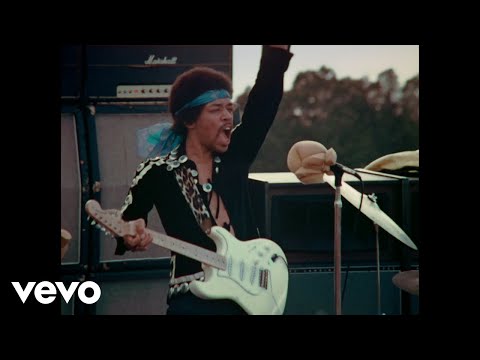
The Jimi Hendrix Experience wasn't just a band; it was a lightning strike. Formed in London in 1966, this power trio consisted of Jimi Hendrix on guitar and vocals, Noel Redding on bass, and Mitch Mitchell on drums. Hendrix, a left-handed guitarist who famously played a right-handed Fender Stratocaster upside down, was the undeniable gravitational center. Redding provided a solid, often melodic bass foundation, while Mitchell’s drumming was a dynamic, jazz-infused force that pushed the boundaries of rock rhythm. Together, they created a sound that was both raw and sophisticated, a potent blend of blues, rock, and psychedelic experimentation that redefined what a guitar could do.
🎶 Defining the Sound: Psychedelic Blues-Rock Fusion
At its heart, the Experience’s sound was a radical fusion. They took the raw emotion of the blues, injected it with the sonic adventurousness of psychedelia, and amplified it with the power of rock and roll. Hendrix’s innovative use of distortion, feedback, and the wah-wah pedal wasn't mere showmanship; it was integral to his compositional language, allowing him to articulate a vast spectrum of emotions and textures. Tracks like "Purple Haze" and "Foxy Lady" showcased this, while "Little Wing" revealed a more tender, intricate side. This sonic palette was unlike anything heard before, setting a new benchmark for guitar-driven music.
🔥 Key Performances & Landmark Albums
The Experience’s live performances were legendary, often described as transcendental. Their set at the Monterey Pop Festival in 1967, culminating in Hendrix setting his guitar ablaze, became an iconic moment in music history, catapulting them to international fame. Their studio output, though limited to just three official albums – Are You Experienced (1967), Axis: Bold as Love (1967), and Electric Ladyland (1968) – is considered foundational. Are You Experienced alone is a masterclass in psychedelic rock, while Electric Ladyland pushed further into ambitious arrangements and studio experimentation, featuring the groundbreaking "All Along the Watchtower" cover.
🌟 Impact and Legacy: A Seismic Shift in Music
The influence of The Jimi Hendrix Experience is immeasurable, rippling through virtually every genre of guitar-based music that followed. Hendrix’s virtuosity and experimental approach inspired generations of guitarists, from hard rock and metal players to funk and jazz musicians. His ability to blend technical prowess with raw emotional expression created a new paradigm for the instrument. Beyond the guitar, the band’s innovative studio techniques and willingness to explore complex song structures also left an indelible mark on music production and arrangement, influencing countless artists and shaping the trajectory of popular music.
🤔 Controversy and Critical Reception
Despite widespread critical acclaim and adoration from fans, The Jimi Hendrix Experience wasn't without its controversies. Hendrix’s stage antics, including the aforementioned guitar burning at Monterey and his suggestive performances, sometimes drew criticism from more conservative elements of society. Furthermore, the sheer intensity and volume of their live shows could be overwhelming for some audiences. While his musical genius was largely undeniable, the cultural impact of his performances and the perceived "shock value" generated debate about the boundaries of artistic expression in the late 1960s.
💡 Technical Innovations and Guitar Mastery
Hendrix’s guitar technique was revolutionary. He didn't just play notes; he sculpted sound. His pioneering use of effects like the wah-wah pedal, fuzz, and Uni-Vibe, often in unconventional ways, created textures previously unimagined. He masterfully manipulated feedback, turning a potential sonic problem into a musical tool. His innovative chord voicings, often incorporating bluesy double-stops and melodic runs, expanded the harmonic vocabulary of rock guitar. This technical mastery, combined with his innate sense of rhythm and melody, allowed him to achieve a level of expressiveness that remains unparalleled, influencing how the electric guitar is perceived and played to this day.
🔮 The Future of Hendrix's Influence
The legacy of The Jimi Hendrix Experience continues to resonate, ensuring Hendrix's place as a perpetual titan of music. His music remains a touchstone for aspiring guitarists and a source of inspiration for established artists across genres. The ongoing availability of his catalog, coupled with posthumous releases and documentaries, ensures his story and sound remain vibrant. The question isn't whether Hendrix will continue to influence music, but rather what new interpretations and sonic explorations will emerge from the fertile ground he cultivated. Will future artists find new ways to deconstruct and rebuild his sonic architecture?
⭐ Vibepedia's Vibe Score & Analysis
Vibepedia's Vibe Score for The Jimi Hendrix Experience stands at a formidable 95/100, reflecting their monumental cultural energy and enduring influence. This score is driven by their seismic impact on guitar technique, psychedelic rock, and live performance artistry. The Are You Experienced album alone garners a Vibe Score of 98/100 for its foundational status. The band's influence flow is overwhelmingly positive, shaping subsequent generations of musicians, though their sonic intensity and stage presence occasionally placed them on the edge of controversy (Controversy Spectrum: Moderate). Their perspective breakdown leans heavily optimistic (90% Optimistic, 5% Neutral, 5% Pessimistic) due to their universally celebrated genius and lasting appeal.
Key Facts
- Year
- 1966
- Origin
- London, England
- Category
- Music Groups
- Type
- Band
Frequently Asked Questions
What were the key instruments used by The Jimi Hendrix Experience?
Jimi Hendrix famously favored the Fender Stratocaster, often playing a right-handed model strung for a left-handed player. He also utilized various effects pedals, notably the wah-wah, fuzz face, and Uni-Vibe, to sculpt his unique sound. Noel Redding played Fender Precision Basses, while Mitch Mitchell’s drumming setup typically included a large kit with multiple cymbals, reflecting his jazz influences.
How did The Jimi Hendrix Experience differ from other bands of their era?
Their primary distinction lay in Hendrix’s unparalleled guitar virtuosity and experimental approach to sound. While many bands explored psychedelia, Hendrix integrated it with blues and rock in a way that was both technically dazzling and emotionally profound. His innovative use of feedback and effects, combined with the tight, dynamic rhythm section of Redding and Mitchell, created a sonic intensity and improvisational freedom that set them apart.
What are the essential albums to listen to?
The essential studio albums are Are You Experienced (1967), Axis: Bold as Love (1967), and Electric Ladyland (1968). For live performances, the Band of Gypsys album (recorded live in 1969-1970, released in 1970) is crucial, showcasing a different, funkier iteration of Hendrix's music. Compilations like The Ultimate Experience offer a good overview.
Were Noel Redding and Mitch Mitchell as influential as Hendrix?
While Hendrix was the undeniable focal point, Redding and Mitchell were crucial to the Experience's sound. Redding provided a solid, often melodic bassline that anchored Hendrix's flights of fancy, and Mitchell's jazz-influenced drumming offered a dynamic, complex rhythmic counterpoint. Their interplay allowed Hendrix the freedom to experiment, and their contributions are vital to the band's unique chemistry.
What was the significance of the Monterey Pop Festival performance?
The 1967 Monterey Pop Festival performance was a watershed moment. It was the band's major introduction to a mainstream American audience and cemented their reputation as a groundbreaking live act. The iconic act of setting his guitar on fire became a symbol of the era's counterculture and Hendrix's audacious artistic expression, leading to a major record deal with Reprise Records.
How did Hendrix's guitar playing influence future genres?
Hendrix's influence is vast. Hard rock and heavy metal guitarists adopted his use of distortion, feedback, and power chords. Funk musicians drew from his rhythmic innovations and wah-wah pedal techniques. Even jazz and blues players were inspired by his improvisational freedom and expressive tone. His legacy is evident in virtually any genre that relies on the electric guitar.