
Contents
- 🩺 What is Telemedicine?
- 🏥 Who Benefits Most from Telemedicine?
- 💻 How Telemedicine Works in Practice
- 💰 Understanding Telemedicine Costs & Insurance
- ⭐ Ratings & Patient Experiences
- 🆚 Telemedicine vs. In-Person Care
- 💡 Tips for a Successful Telemedicine Visit
- 📞 Getting Started with Telemedicine
- Frequently Asked Questions
- Related Topics
Overview
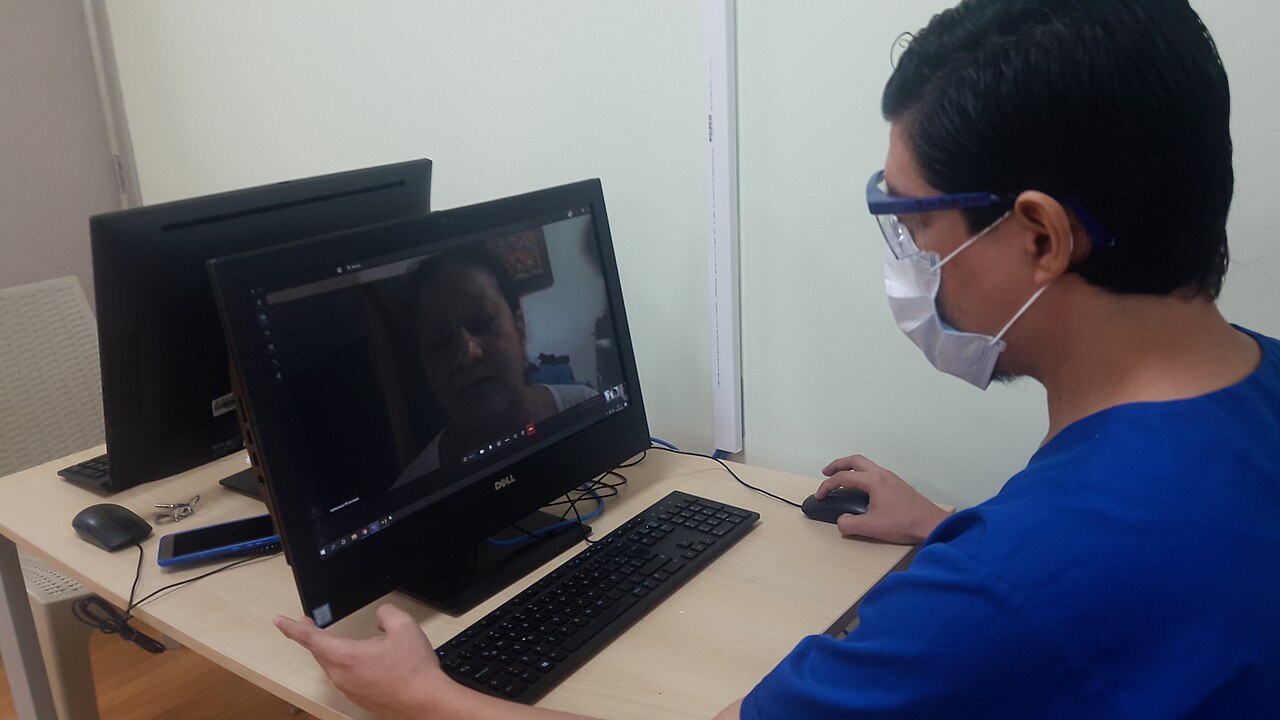
Telemedicine, often used interchangeably with telehealth, is the delivery of healthcare services remotely using telecommunications technology. Think video calls with your doctor, remote patient monitoring, and even secure messaging for medical advice. It's not just about convenience; it's a fundamental shift in how healthcare can be accessed, extending the reach of medical professionals beyond the confines of a traditional clinic. This technology bridges geographical barriers, making healthcare more accessible for many, from urban dwellers to those in rural or underserved areas. The core principle is leveraging digital tools to provide quality care at a distance.
🏥 Who Benefits Most from Telemedicine?
Telemedicine is a boon for individuals facing mobility challenges, chronic conditions requiring frequent check-ups, or those living far from specialists. It's particularly beneficial for busy professionals who struggle to take time off for appointments, parents managing young children, and individuals in remote locations. For patients managing conditions like diabetes, hypertension, or mental health issues, regular remote monitoring and virtual consultations can significantly improve outcomes and adherence to treatment plans. It democratizes access, ensuring more people can receive timely medical attention without the logistical hurdles of in-person visits.
💻 How Telemedicine Works in Practice
The practical application of telemedicine typically begins with scheduling a virtual appointment through a healthcare provider's portal or a dedicated telemedicine platform. During the appointment, you'll connect with a licensed clinician via secure video conferencing. Depending on the condition, the provider might ask you to use remote patient monitoring devices to transmit vital signs like blood pressure or glucose levels. Prescriptions can be sent electronically to your preferred pharmacy, and follow-up instructions are usually provided digitally. This streamlined process aims to replicate the essential elements of an in-person visit within a digital framework.
💰 Understanding Telemedicine Costs & Insurance
The cost of telemedicine can vary, with many services offering per-visit fees or subscription models. Crucially, most major insurance plans, including Medicare and Medicaid, now cover a wide range of telemedicine services, often at rates comparable to in-person visits. However, it's essential to verify your specific plan's coverage for virtual consultations and any associated telehealth platforms. Some providers may offer tiered pricing based on the specialist or the complexity of the consultation, so understanding these details upfront can prevent unexpected expenses.
⭐ Ratings & Patient Experiences
Patient experiences with telemedicine are generally positive, with high marks for convenience and accessibility. Online reviews and patient satisfaction surveys frequently highlight the time saved by avoiding travel and waiting rooms. However, some users express a preference for the personal touch of in-person interactions, especially for initial diagnoses or complex conditions. Ratings often depend on the user-friendliness of the platform, the quality of the video and audio connection, and the clinician's ability to establish rapport remotely. Look for platforms with consistently high user ratings and detailed patient testimonials.
🆚 Telemedicine vs. In-Person Care
Telemedicine excels in convenience, speed, and accessibility, making it ideal for routine follow-ups, prescription refills, and managing chronic conditions. It significantly reduces travel time and exposure to illness. In-person care, however, remains indispensable for physical examinations, procedures, emergencies, and situations requiring hands-on assessment. While telemedicine can diagnose many conditions, a physical exam might be necessary for definitive diagnosis in certain cases. The choice often depends on the urgency, nature of the condition, and patient preference.
💡 Tips for a Successful Telemedicine Visit
To maximize your telemedicine experience, ensure you have a stable internet connection and a private, quiet space for your consultation. Test your audio and video equipment beforehand. Have your medical history, a list of current medications, and any relevant health records readily available. Be prepared to describe your symptoms clearly and concisely. Don't hesitate to ask questions about your diagnosis, treatment plan, or any aspect of the virtual visit. Following these steps ensures a more efficient and productive interaction with your healthcare provider.
📞 Getting Started with Telemedicine
Getting started with telemedicine is straightforward. First, check if your current primary care physician or specialist offers virtual visits; many do. Alternatively, explore dedicated telemedicine providers and online health portals that offer a wide range of services. You'll typically need to create an account, provide your medical history, and enter your insurance information. Once registered, you can usually book an appointment directly through their website or app. For urgent needs, many platforms offer on-demand consultations with available clinicians.
Key Facts
- Year
- 2023
- Origin
- Evolved from traditional healthcare practices and accelerated by technological advancements and the COVID-19 pandemic.
- Category
- Healthcare Technology
- Type
- Concept
Frequently Asked Questions
Is telemedicine secure?
Yes, reputable telemedicine platforms use robust encryption and security protocols to protect patient data, complying with regulations like HIPAA. Your personal health information is kept confidential, just as it would be in a traditional clinic. Ensure you are using a platform recommended by your healthcare provider or one with clear privacy policies.
Can I get a prescription through telemedicine?
Absolutely. Clinicians can electronically prescribe medications directly to your pharmacy for many conditions. However, there are limitations; controlled substances may require in-person evaluation, and prescription practices vary by state and the specific medication.
What types of conditions can be treated via telemedicine?
A wide range of conditions can be managed, including common illnesses like colds and flu, skin conditions, mental health concerns (anxiety, depression), chronic disease management (diabetes, hypertension), and follow-up care. It's ideal for consultations, diagnoses, and treatment plans that don't require a physical examination.
Do I need special equipment for telemedicine?
Generally, you'll need a reliable internet connection, a computer, smartphone, or tablet with a camera and microphone. Some specialized telemedicine devices might be used for remote monitoring, but these are usually provided or recommended by your healthcare provider.
How do I choose a telemedicine provider?
Consider checking with your existing doctor first. If exploring new providers, look for licensed clinicians in your state, read patient reviews, check their insurance acceptance, and ensure their platform is user-friendly and secure. Verify the types of services they offer align with your needs.
What's the difference between telemedicine and telehealth?
While often used interchangeably, telehealth is a broader term encompassing all remote health services, including administrative and educational functions. Telemedicine specifically refers to the clinical services provided remotely, such as virtual doctor visits and remote monitoring.