
Contents
- 🎬 What Are Streaming Services?
- 💡 How Does Streaming Actually Work?
- 💰 Pricing & Plans: What to Expect
- 📺 Video vs. Audio Streaming: Key Differences
- ⭐ Top Streaming Platforms to Consider
- 🤔 The Evolution of Streaming: From Add-on to Dominance
- ⚖️ Streaming vs. Traditional Media: The Great Debate
- 🚀 Tips for Navigating the Streaming Universe
- 🌐 Accessing Content: Devices & Connectivity
- 📈 The Future of Streaming: What's Next?
- Frequently Asked Questions
- Related Topics
Overview
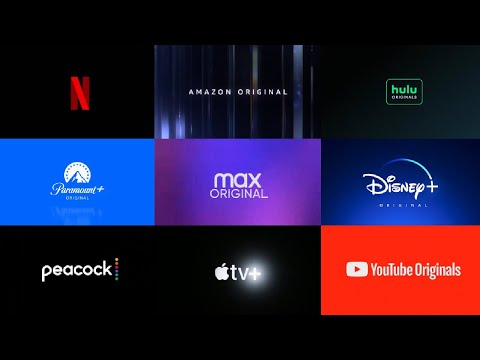
Navigating the ever-expanding universe of streaming services requires a keen eye for value and content. From blockbuster movie hubs like Netflix and Max to niche platforms catering to specific tastes, understanding the landscape is key. Consider factors like subscription costs, content libraries (original vs. licensed), user interface, and device compatibility. Many services offer free trials, allowing you to test the waters before committing. Keep an eye on bundle deals and annual discounts to maximize savings. The streaming wars are far from over, with new players and content constantly emerging, making informed choices essential for any modern media consumer.
🎬 What Are Streaming Services?
Streaming services are your digital gateway to a vast universe of entertainment, delivering movies, TV shows, music, and podcasts directly to your devices over the internet. Forget the days of waiting for downloads or managing physical media; streaming offers instant access, letting you press play and dive right in. Whether you're a cinephile hunting for indie gems or a music lover exploring new genres, these platforms cater to a diverse range of tastes, transforming how we consume media. They've become the primary source of entertainment for millions, offering unparalleled convenience and choice.
💡 How Does Streaming Actually Work?
At its heart, streaming works by sending a continuous flow of data from a server to your device, allowing playback to begin almost instantly. Unlike traditional downloads, which require the entire file to be stored locally before viewing, streaming plays the content in real-time. This is made possible by sophisticated CDN that distribute media files across numerous servers worldwide, ensuring low latency and high-quality playback. The experience is seamless, provided you have a stable internet connection, making it feel like magic but powered by advanced networking.
💰 Pricing & Plans: What to Expect
The cost of streaming varies significantly, with most services operating on a subscription services. Monthly fees can range from a few dollars for niche platforms to upwards of $20 for premium bundles offering extensive libraries and features. Many services offer tiered plans, such as ad-supported free options, standard plans with HD quality, and premium plans with 4K resolution and multiple simultaneous streams. Some also provide free streaming trials, allowing you to sample their offerings before committing to a paid subscription.
📺 Video vs. Audio Streaming: Key Differences
While the term 'streaming' often conjures images of binge-watching TV shows on Netflix, it equally applies to audio content. Video streaming services like Disney+ and Hulu focus on visual media, from blockbuster films to original series. Audio streaming platforms, such as Spotify and Audible, specialize in music, podcasts, and audiobooks. The underlying technology is similar, but the content type and user interface differ, catering to distinct consumption habits.
⭐ Top Streaming Platforms to Consider
Navigating the crowded streaming market can be daunting, but several platforms stand out for their extensive libraries and original content. Netflix remains a titan, known for its vast collection of films and critically acclaimed original series. Disney+ is a must-have for families and fans of its iconic franchises. For music lovers, Spotify offers an unparalleled selection of songs and podcasts, while YouTube provides a massive, user-generated video library alongside premium content.
🤔 The Evolution of Streaming: From Add-on to Dominance
The journey of streaming services from a supplementary feature to the dominant entertainment force is a fascinating narrative. Initially, some services offered a few select titles as a bonus to Blu-ray media, a far cry from today's on-demand behemoths. The advent of faster internet speeds and widespread broadband adoption in the late 2000s paved the way for services like Netflix to pivot from DVD-by-mail to streaming, a move that fundamentally reshaped the media industry.
⚖️ Streaming vs. Traditional Media: The Great Debate
The ongoing debate pits the convenience and vast selection of streaming against the perceived value and ownership of traditional media like cable TV or physical media. Critics of streaming often point to subscription fatigue, the rising costs of multiple subscriptions, and the fragmentation of content across various platforms. Proponents highlight the on-demand nature, the ability to cancel anytime, and the often lower cost compared to traditional cable packages.
🌐 Accessing Content: Devices & Connectivity
Accessing streaming content is remarkably flexible, with platforms supporting a wide array of devices. Smart TVs, smartphones, tablets, gaming consoles like PlayStation and Xbox, and dedicated streaming devices such as Roku and Amazon Fire Stick all offer seamless integration. The key requirement is a reliable internet connection; Wi-Fi is standard, but wired Ethernet connections can offer superior stability for high-bandwidth streaming. The better your connection, the smoother your viewing or listening experience will be.
📈 The Future of Streaming: What's Next?
The future of streaming is a dynamic space, with trends pointing towards further personalization, interactive content, and the integration of live TV streaming. Expect more bundling of services, potentially creating 'super bundles' that offer a comprehensive entertainment package. The rise of ad-supported streaming tiers suggests a move towards hybrid models that balance accessibility with revenue generation. Furthermore, the increasing investment in original content by nearly every major player indicates a continued arms race for subscriber attention and loyalty.
Key Facts
- Year
- 2024
- Origin
- Vibepedia.wiki
- Category
- Entertainment & Media
- Type
- Resource Guide
Frequently Asked Questions
What's the difference between streaming and downloading?
Streaming allows you to watch or listen to content in real-time over the internet without saving the entire file to your device. Downloading, on the other hand, requires the complete file to be transferred and stored locally before you can access it. Streaming offers immediate playback, while downloads provide offline access once completed.
Can I watch streaming content without an internet connection?
Generally, no. Streaming services require an active internet connection to deliver content. However, some services offer a download feature within their mobile apps, allowing you to save select content for offline viewing, which is a form of temporary downloading.
How much data does streaming use?
Data usage varies by quality. Standard Definition (SD) typically uses about 0.7 GB per hour, High Definition (HD) around 3 GB per hour, and 4K Ultra HD can consume 7 GB or more per hour. Music streaming uses significantly less data, often under 100 MB per hour for standard quality.
What is 'subscription fatigue'?
Subscription fatigue refers to the feeling of being overwhelmed by the number of recurring subscription services a person pays for. It arises when the cost and management of multiple subscriptions become burdensome, leading consumers to re-evaluate their spending on services like streaming, software, and apps.
Are there free streaming services available?
Yes, several platforms offer free, ad-supported streaming. Examples include Tubi, Pluto TV, Crackle, and the free tiers of services like Spotify and YouTube. These services provide access to a library of movies, TV shows, and music in exchange for viewing advertisements.
What are the best streaming services for families?
Services like Disney+ are excellent for families due to their extensive catalog of children's content and popular franchises. Netflix also offers a wide range of family-friendly movies and shows, with robust parental controls. Amazon Prime Video also has a decent selection for younger audiences.