
Contents
- 🥦 What is Romanesco Cauliflower?
- 🌿 Origins and Cultivation
- 🍽️ Flavor Profile and Texture
- 💡 Culinary Uses and Preparation
- 🛒 Where to Find Romanesco
- 💰 Pricing and Availability
- 🆚 Romanesco vs. Other Brassicas
- 🌟 Tips for Choosing and Storing
- 🌱 Growing Your Own Romanesco
- 🤔 Frequently Asked Questions
- Frequently Asked Questions
- Related Topics
Overview
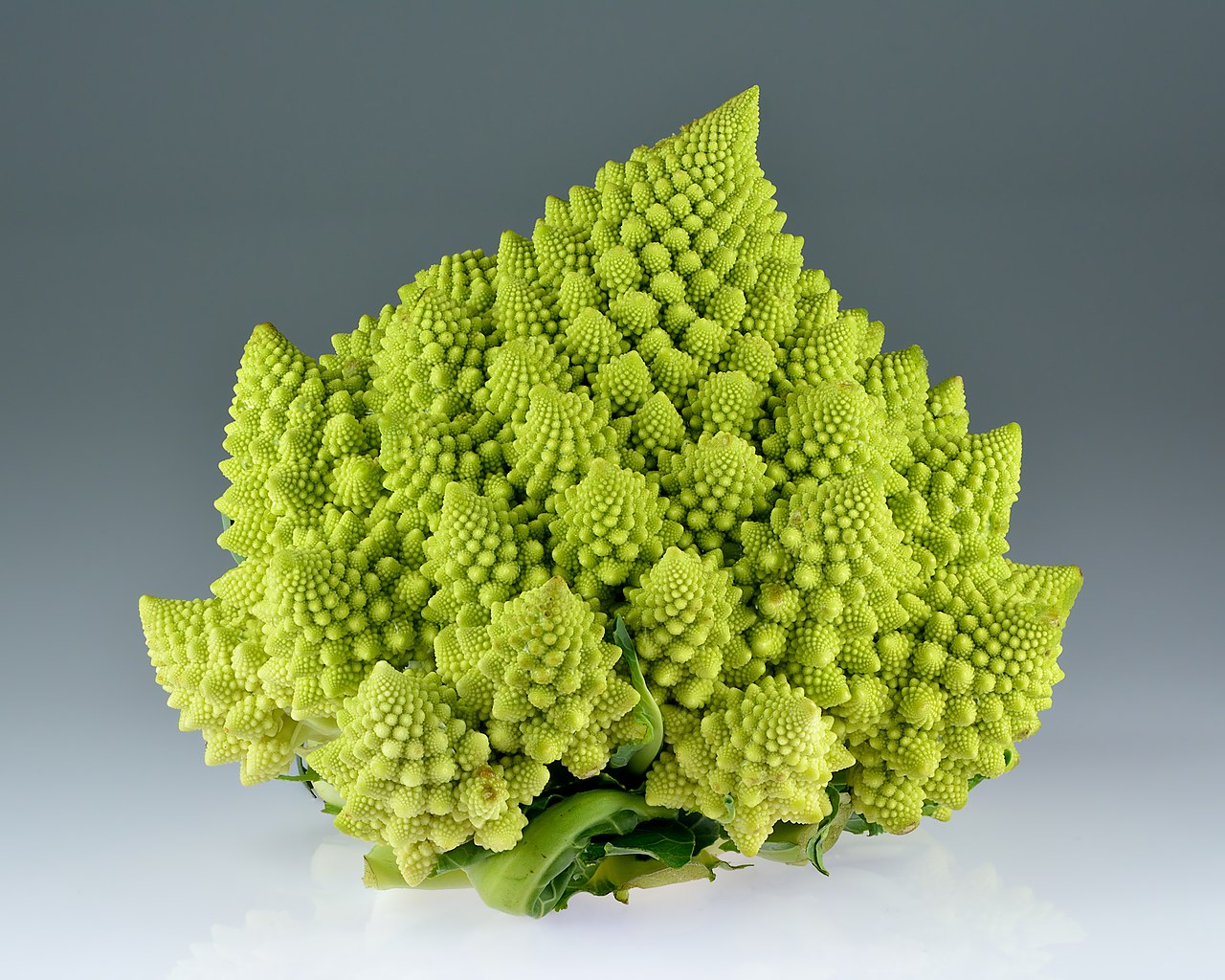
Romanesco cauliflower, a striking member of the Brassica family, is known for its vibrant lime-green color and distinctive fractal patterns. Originating in Italy, this vegetable has gained popularity not only for its visual appeal but also for its nutty flavor and nutritional benefits, including high levels of vitamin C and fiber. Its unique appearance makes it a favorite in culinary presentations, often featured in gourmet dishes. As interest in sustainable and visually appealing foods grows, romanesco is poised to become a staple in both home kitchens and professional restaurants. Explore its versatility in cooking and the cultural significance it carries in various cuisines.
🥦 What is Romanesco Cauliflower?
Romanesco cauliflower, often called broccoflower or fractal broccoli, is a visually stunning member of the Brassica oleracea species, a family that also includes familiar vegetables like broccoli and cauliflower. Unlike its more common cousins, romanesco boasts a distinctive chartreuse hue and a unique, spiraling fractal pattern in its florets. This edible flower bud isn't just a feast for the eyes; it offers a delightful culinary experience that sets it apart from other brassicas.
🌿 Origins and Cultivation
The history of romanesco is somewhat debated, but it's widely believed to have originated in Italy, possibly around the 16th century, with documentation pointing to its cultivation in the Lazio region near Rome. It's a cultivar of cauliflower, developed through selective breeding to achieve its characteristic appearance and flavor. While it shares its species with broccoli and cauliflower, its specific lineage traces back to Italian horticultural innovation, making it a unique heirloom vegetable with a rich agricultural heritage.
🍽️ Flavor Profile and Texture
When it comes to taste, romanesco offers a subtle yet distinct nutty flavor, often described as a delicate balance between broccoli and cauliflower, but with a cleaner, less pungent finish. Its texture is notably firmer than standard cauliflower, retaining a pleasant bite even after cooking. This makes it an excellent choice for dishes where you want the vegetable to hold its shape and provide a satisfying mouthfeel, avoiding the mushiness that can sometimes plague other brassicas.
💡 Culinary Uses and Preparation
The striking appearance of romanesco makes it a star ingredient in any dish. It can be steamed, roasted, sautéed, or even eaten raw. Roasting brings out its nutty sweetness, while steaming preserves its vibrant color and firm texture. It pairs beautifully with garlic, lemon, and herbs, and can be incorporated into pasta dishes, gratins, or served as an elegant side. Its fractal nature also makes it a fascinating subject for culinary photography and artistic food presentation.
🛒 Where to Find Romanesco
Finding romanesco cauliflower is typically easiest at farmers markets and specialty grocery stores, especially during its peak season. Look for vendors who focus on heirloom or unique produce. Larger, well-stocked supermarkets with dedicated organic or gourmet sections may also carry it. Keep an eye out at stores known for their fresh produce selection, as availability can vary seasonally and geographically.
💰 Pricing and Availability
The price of romanesco can fluctuate based on seasonality, location, and the retailer. Generally, it tends to be more expensive than standard broccoli or cauliflower due to its niche appeal and potentially more labor-intensive cultivation. Expect to pay anywhere from $2.50 to $5.00 per pound, though prices can be higher in urban centers or during off-season months. Its availability is often concentrated in the fall and spring.
🆚 Romanesco vs. Other Brassicas
Compared to regular white cauliflower, romanesco is firmer and has a milder, nuttier flavor profile. While green broccoli offers a more robust, earthy taste and softer texture when cooked, romanesco strikes a middle ground with its unique visual appeal. If you're looking for a brassica that's visually arresting and offers a delicate, nutty sweetness, romanesco is the clear choice over its more common relatives.
🌟 Tips for Choosing and Storing
When selecting a romanesco head, look for firm, tightly packed florets with a vibrant chartreuse color. Avoid any heads that show signs of wilting, yellowing, or bruising. The leaves should be fresh and green. To store, wrap the romanesco loosely in plastic wrap or a perforated bag and keep it in the crisper drawer of your refrigerator. It's best consumed within 3-5 days of purchase to enjoy its peak freshness and texture.
🌱 Growing Your Own Romanesco
Growing romanesco at home can be a rewarding experience, offering a unique addition to your garden. It thrives in cool weather, similar to other cool-season vegetables, and prefers well-drained soil rich in organic matter. Start seeds indoors 4-6 weeks before the last frost or sow directly into the garden once the danger of frost has passed. Ensure adequate spacing, as plants can grow quite large, and protect them from pests like cabbage worms.
🤔 Frequently Asked Questions
Q: Is romanesco a hybrid? A: While often referred to as 'broccoflower,' romanesco is not a hybrid in the typical sense of cross-pollinating two different species. It is a cultivar of Brassica oleracea, meaning it's a specific variety developed from cauliflower through selective breeding over time. It shares its species with broccoli and cauliflower, but it's a distinct type within that species.
Section 11
Q: What does romanesco taste like? A: Romanesco has a mild, nutty flavor that is often described as being a delicate blend between broccoli and cauliflower, but with a cleaner, less pungent taste. It's less earthy than broccoli and has a firmer texture than standard cauliflower, offering a satisfying bite.
Section 12
Q: How do you cook romanesco? A: Romanesco can be prepared in many ways, similar to broccoli or cauliflower. It steams beautifully, retaining its vibrant color and firm texture. Roasting enhances its nutty sweetness, while sautéing or stir-frying are also excellent options. It can also be enjoyed raw in salads or as crudités.
Section 13
Q: Is romanesco good for you? A: Yes, romanesco is highly nutritious. Like other brassicas, it's a good source of vitamin C, vitamin K, and dietary fiber. It also contains various antioxidants and phytonutrients that contribute to overall health and well-being.
Section 14
Q: Why is romanesco so expensive? A: Romanesco is often more expensive than common cauliflower or broccoli due to its more specialized cultivation, lower yield compared to mass-produced varieties, and niche market demand. Its unique appearance also makes it a specialty item, commanding a higher price point.
Section 15
Q: Can I substitute romanesco for cauliflower? A: Absolutely. Romanesco can be used in any recipe that calls for cauliflower or broccoli. Its firmer texture might require slight adjustments in cooking time, but its flavor profile is generally compatible with most dishes. Its visual appeal can elevate simple recipes.
Key Facts
- Year
- 2023
- Origin
- Italy
- Category
- Vegetables
- Type
- Vegetable
Frequently Asked Questions
Is romanesco a hybrid?
While often referred to as 'broccoflower,' romanesco is not a hybrid in the typical sense of cross-pollinating two different species. It is a cultivar of Brassica oleracea, meaning it's a specific variety developed from cauliflower through selective breeding over time. It shares its species with broccoli and cauliflower, but it's a distinct type within that species.
What does romanesco taste like?
Romanesco has a mild, nutty flavor that is often described as being a delicate blend between broccoli and cauliflower, but with a cleaner, less pungent taste. It's less earthy than broccoli and has a firmer texture than standard cauliflower, offering a satisfying bite.
How do you cook romanesco?
Romanesco can be prepared in many ways, similar to broccoli or cauliflower. It steams beautifully, retaining its vibrant color and firm texture. Roasting enhances its nutty sweetness, while sautéing or stir-frying are also excellent options. It can also be enjoyed raw in salads or as crudités.
Is romanesco good for you?
Why is romanesco so expensive?
Romanesco is often more expensive than common cauliflower or broccoli due to its more specialized cultivation, lower yield compared to mass-produced varieties, and niche market demand. Its unique appearance also makes it a specialty item, commanding a higher price point.
Can I substitute romanesco for cauliflower?
Absolutely. Romanesco can be used in any recipe that calls for cauliflower or broccoli. Its firmer texture might require slight adjustments in cooking time, but its flavor profile is generally compatible with most dishes. Its visual appeal can elevate simple recipes.