
Contents
- 🍄 What is Psilocybin?
- 🌿 Natural Sources & Cultivation
- 🧠 How it Works: The Neuroscience
- ✨ Effects: The Psychedelic Experience
- ⚖️ Legal Status & Decriminalization
- 💡 Therapeutic Potential & Research
- ⚠️ Risks & Safety Considerations
- 🍽️ Dosage & Administration
- 🤔 Set & Setting: Optimizing the Experience
- ⚖️ Comparison to Other Psychedelics
- 🚀 The Future of Psilocybin
- 📞 Getting Started & Further Resources
- Frequently Asked Questions
- Related Topics
Overview
Psilocybin is a naturally occurring psychedelic compound found in over 200 species of fungi, commonly known as 'magic mushrooms.' Its psychoactive effects are primarily mediated by its dephosphorylated metabolite, psilocin, which acts as a serotonin receptor agonist, particularly at the 5-HT2A subtype. Historically, these fungi have been used in indigenous spiritual and healing ceremonies for millennia. In recent decades, scientific research has experienced a resurgence, exploring psilocybin's potential therapeutic applications for conditions like depression, anxiety, PTSD, and addiction, often within controlled clinical settings. The legal status of psilocybin varies dramatically worldwide, with some regions decriminalizing or legalizing it for medical or personal use, while it remains a Schedule I controlled substance in many others.
🍄 What is Psilocybin?
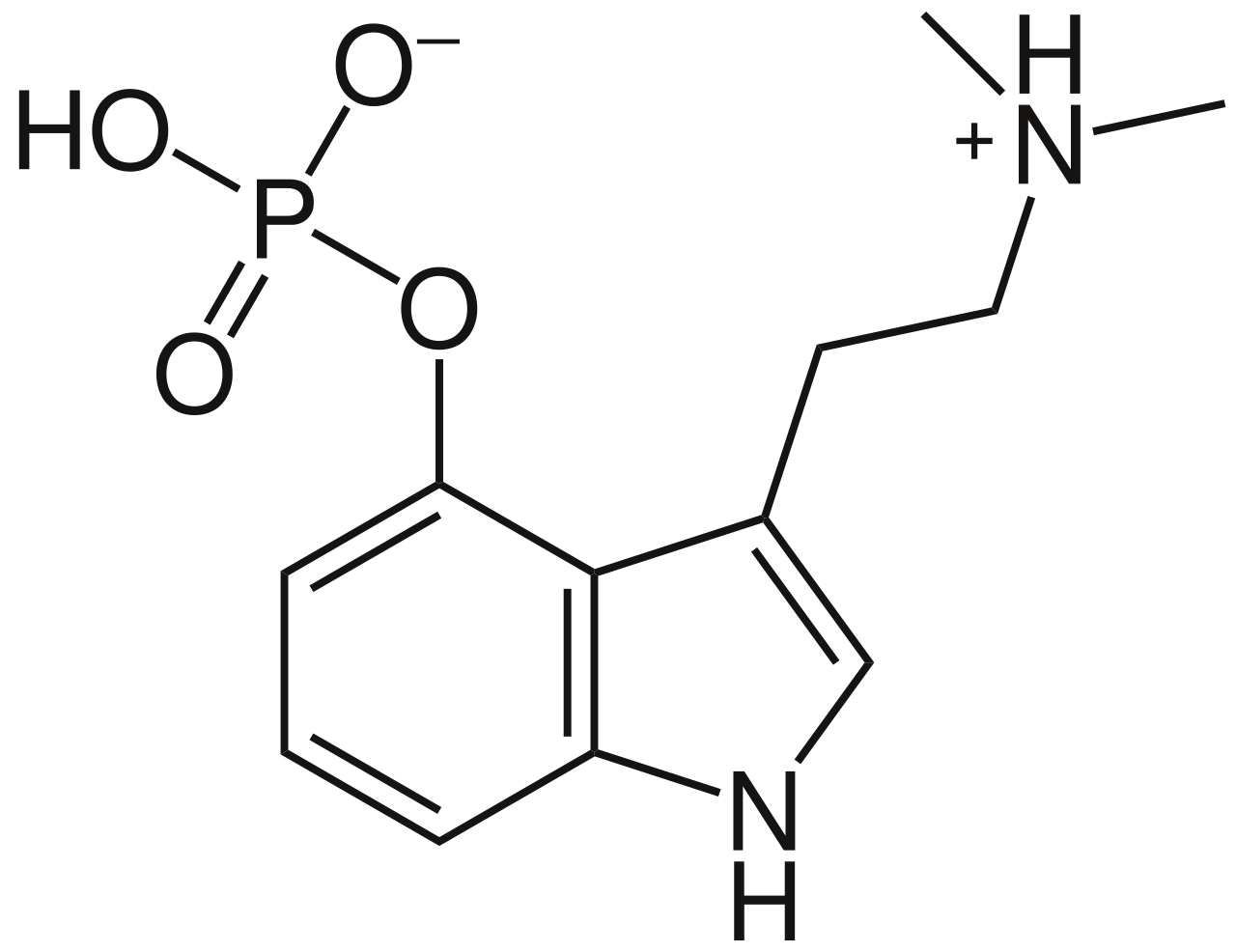
Psilocybin, chemically known as 4-phosphoryloxy-N,N-dimethyltryptamine (4-PO-DMT), is a naturally occurring compound found in over 200 species of fungi, often referred to as 'magic mushrooms.' It's a prodrug, meaning the body converts it into psilocin, the psychoactive component that interacts with serotonin receptors in the brain. Users report a wide spectrum of effects, ranging from profound euphoria and altered sensory perception to distorted time perception and deeply spiritual or mystical experiences. Its classification as an investigational drug highlights ongoing scientific interest in its unique properties.
🌿 Natural Sources & Cultivation
The primary source of psilocybin is the fruiting bodies of various mushroom species, with Psilocybe cubensis being one of the most widely recognized and cultivated. These fungi thrive in specific environmental conditions, often found in dung-rich soils or decaying organic matter in tropical and subtropical regions. While wild harvesting is possible, it carries risks of misidentification and requires expert knowledge. Cultivation, on its own or through specialized suppliers, offers a more controlled and predictable way to access psilocybin-containing mushrooms, with various strains exhibiting different potency levels.
🧠 How it Works: The Neuroscience
The psychoactive effects of psilocybin stem from its conversion to psilocin, which acts as a partial agonist at serotonin 5-HT2A receptors in the brain. These receptors are densely populated in areas associated with mood, cognition, and perception, such as the prefrontal cortex. By modulating serotonergic neurotransmission, psilocin can lead to a cascade of changes in brain activity, including increased connectivity between brain regions that are typically less communicative. This neurochemical interaction is believed to underpin the altered states of consciousness, ego dissolution, and profound insights reported by users.
✨ Effects: The Psychedelic Experience
The psilocybin experience is highly variable but commonly includes intense visual and auditory hallucinations, synesthesia (mixing of senses), and a profound alteration in the perception of time, which can feel stretched or compressed. Emotional states can range from intense joy and wonder to anxiety and introspection. Many users describe ego dissolution, a feeling of oneness with the universe, and encounters with archetypal imagery or profound personal revelations. The duration of effects typically lasts between 4 to 6 hours, with the peak intensity occurring within the first few hours after ingestion.
⚖️ Legal Status & Decriminalization
The legal status of psilocybin varies dramatically worldwide. In many countries, including the United States at the federal level, it is classified as a Schedule I controlled substance, indicating a high potential for abuse and no accepted medical use. However, a significant shift is occurring at the local and state levels, with cities like Denver, Oakland, and Santa Cruz decriminalizing personal possession and cultivation. Oregon has also legalized psilocybin for therapeutic use under strict supervision. This evolving legal landscape reflects growing public and scientific acceptance of its potential benefits.
💡 Therapeutic Potential & Research
Psilocybin is at the forefront of psychedelic-assisted therapy research, showing promising results for treating various mental health conditions. Clinical trials have demonstrated significant efficacy in reducing symptoms of depression, anxiety, PTSD, and addiction. For instance, studies at institutions like Johns Hopkins University have shown sustained remission in patients with treatment-resistant depression following psilocybin-assisted sessions. The therapeutic potential lies in its ability to facilitate psychological breakthroughs and reframe negative thought patterns, often with just a few guided sessions.
⚠️ Risks & Safety Considerations
While generally considered to have a low physiological risk profile compared to some other substances, psilocybin is not without potential dangers. Psychological risks include the possibility of triggering or exacerbating pre-existing mental health conditions, such as psychosis or bipolar disorder, especially in individuals with a personal or family history. 'Bad trips' or challenging experiences can occur, characterized by intense fear, paranoia, or distress. It is crucial to approach psilocybin with caution, especially for individuals with a history of mental health issues, and to prioritize safe environments and knowledgeable guidance.
🍽️ Dosage & Administration
Dosage is a critical factor influencing the psilocybin experience, with effects varying significantly based on the amount consumed and the potency of the mushroom. Doses are typically measured in milligrams of psilocybin or psilocin, or by the dried weight of mushrooms. Microdosing, typically 0.1-0.3 grams of dried mushrooms, aims for sub-perceptual effects, potentially enhancing mood and creativity without significant intoxication. Threshold doses (0.5-1.5 grams) produce mild perceptual changes, while moderate (1.5-3 grams) to strong (3-5+ grams) doses can lead to profound psychedelic experiences. Ingestion is most commonly done by eating dried mushrooms, brewing them into tea, or consuming them in capsule form.
🤔 Set & Setting: Optimizing the Experience
The concepts of 'set' (the user's mindset, intentions, and expectations) and 'setting' (the physical and social environment in which the experience takes place) are paramount for a positive psilocybin journey. A calm, comfortable, and safe environment, free from distractions and potential stressors, is crucial. Having a trusted sitter or guide present can provide reassurance and support, especially during challenging moments. Preparing mentally beforehand, setting clear intentions, and engaging in grounding techniques can significantly shape the overall outcome of the experience.
⚖️ Comparison to Other Psychedelics
Compared to other psychedelics, psilocybin offers a distinct profile. LSD, for example, is known for its longer duration (8-12 hours) and often more intense visual distortions. MDMA, while sometimes used in conjunction with psychedelics, primarily affects serotonin, dopamine, and norepinephrine, leading to empathogenic and stimulant effects rather than classic psychedelic hallucinations. Ayahuasca, a brew containing DMT, typically involves a much longer and more intense purging experience, often with strong shamanic or spiritual components. Psilocybin is generally considered more accessible and manageable for many users, especially in therapeutic contexts.
🚀 The Future of Psilocybin
The future of psilocybin is poised for significant expansion, particularly in the medical and therapeutic arenas. As research continues to validate its efficacy, we can anticipate broader clinical acceptance and potentially new regulatory pathways for its use in treating mental health disorders. Beyond therapy, there's growing interest in its potential for personal growth, spiritual exploration, and even enhancing creativity. The ongoing decriminalization efforts suggest a societal re-evaluation of psychedelic substances, paving the way for more open dialogue and responsible integration into society.
📞 Getting Started & Further Resources
Embarking on a psilocybin experience, whether for therapeutic or personal exploration, requires careful consideration. Begin by thoroughly researching reputable sources and understanding the legal implications in your region. If considering therapeutic use, explore licensed psilocybin service providers in areas where it is legal, such as Oregon. For personal use, prioritize safety by ensuring a supportive set and setting, and starting with very low doses. Educate yourself on potential risks and contraindications, and consider consulting with healthcare professionals knowledgeable in psychedelic medicine. Resources like the Multidisciplinary Association for Psychedelic Studies (MAPS) offer extensive information and research updates.
Key Facts
- Year
- 1958
- Origin
- Albert Hofmann first synthesized psilocybin in 1958.
- Category
- Psychoactive Substances
- Type
- Substance
Frequently Asked Questions
Is psilocybin addictive?
Psilocybin is not considered physically addictive. Unlike substances like opioids or stimulants, it does not typically lead to compulsive drug-seeking behavior or severe withdrawal symptoms. However, psychological dependence is possible, and frequent use can lead to a temporary tolerance, meaning higher doses are needed to achieve the same effects. Responsible use and adequate spacing between experiences are recommended.
What is the difference between psilocybin and psilocin?
Psilocybin is the naturally occurring compound found in magic mushrooms, but it is a prodrug. Once ingested, the body metabolizes psilocybin into psilocin, which is the primary psychoactive compound that interacts with serotonin receptors in the brain. Psilocin is the molecule responsible for the psychedelic effects, while psilocybin is its precursor.
How long do psilocybin mushrooms last?
The effects of psilocybin mushrooms typically last between 4 to 6 hours from the time of ingestion. The onset of effects usually begins within 30 to 90 minutes, with the peak intensity occurring within the first 2 to 3 hours. Residual effects or afterglow can sometimes be felt for a few hours after the main experience subsides.
Can I combine psilocybin with other substances?
Combining psilocybin with other substances, particularly other psychoactive drugs like alcohol, cannabis, or antidepressants, can lead to unpredictable and potentially dangerous interactions. It is generally advised to avoid combining psilocybin with other substances, especially without expert guidance. Certain combinations, like with SSRIs, can blunt the effects of psilocybin, while others may potentiate them dangerously.
What are the potential long-term effects of psilocybin?
Research into long-term effects is ongoing, but current studies suggest that psilocybin, when used responsibly and in therapeutic settings, does not cause lasting cognitive impairment or psychological damage. Some individuals report lasting positive changes in perspective and well-being. However, there is a rare condition called Hallucinogen Persisting Perception Disorder (HPPD), which can cause persistent visual disturbances, though it is more commonly associated with LSD. Individuals with a predisposition to psychosis should exercise extreme caution.
Where is psilocybin legal for therapeutic use?
As of late 2023, Oregon is the only U.S. state with a regulated system for psilocybin-assisted therapy, available at licensed service centers. Several cities have decriminalized possession, but this does not equate to legal therapeutic access. Other countries, like Australia, have also begun to allow psilocybin for specific treatment-resistant conditions under strict medical supervision. Always check the current legal status in your specific jurisdiction.