
Contents
- ⚡ What is Power Generation?
- 💡 Types of Power Generation Methods
- 🏭 Major Power Generation Facilities
- 📈 Key Players in Power Generation
- 💰 Pricing and Energy Costs
- 🌍 Environmental Impact and Sustainability
- ⚙️ How Power Gets to Your Home
- ⭐ Ratings and Reliability
- 💡 Tips for Choosing an Energy Provider
- 📞 Getting Started with Power Generation
- Frequently Asked Questions
- Related Topics
Overview
Power generation is the process of converting primary energy sources into electrical energy. This encompasses a vast array of technologies, from the historical steam engines of the Industrial Revolution to the cutting-edge fusion reactors being developed today. Understanding these methods is crucial for navigating our energy future, considering factors like environmental impact, cost-effectiveness, and grid stability. The global electricity generation mix is constantly evolving, driven by technological innovation, policy changes, and the urgent need to address climate change.
⚡ What is Power Generation?
Power generation is the fundamental process of converting various primary energy sources into usable electrical energy. For electric utilities, this is the crucial first step before electricity is transmitted and distributed to homes and businesses. Think of it as the engine room of our modern world, where raw energy is transformed into the electricity that powers everything from your smartphone to entire cities. Understanding this process is key to appreciating the complex infrastructure that keeps our lights on.
💡 Types of Power Generation Methods
The methods for generating electricity are diverse, each with its own set of advantages and challenges. Fossil fuel power plants, like coal and natural gas, have historically been dominant but face scrutiny for their environmental impact. Renewable energy sources such as solar, wind, hydroelectric, and geothermal power are gaining significant traction due to their sustainability. Nuclear power offers a carbon-free alternative, though it comes with its own set of safety and waste disposal concerns. Each method relies on converting kinetic or potential energy into mechanical energy to spin turbines, which then drive generators.
🏭 Major Power Generation Facilities
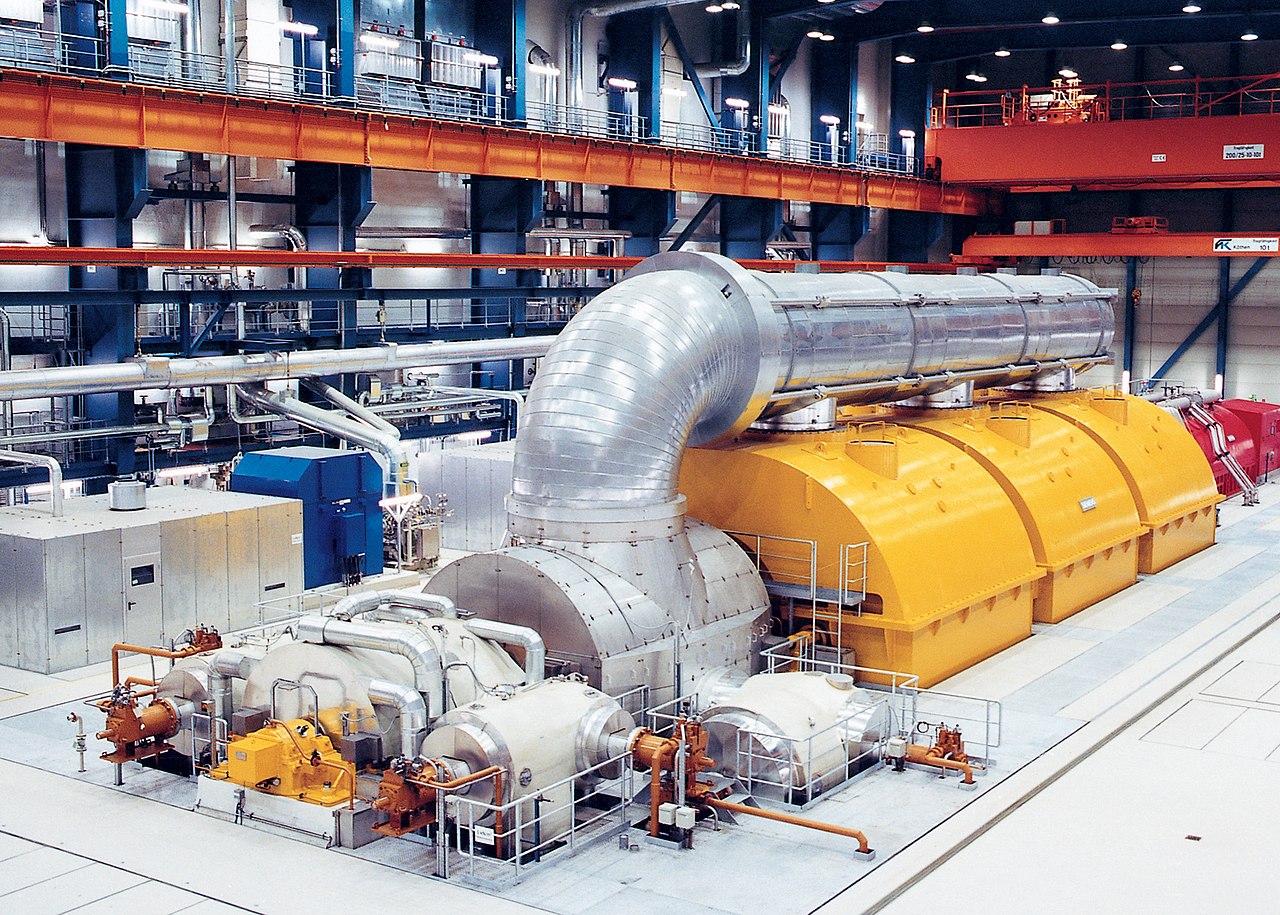
Major power generation facilities are the colossal structures that form the backbone of our electricity supply. These include sprawling coal-fired power stations, vast natural gas plants, immense hydroelectric power stations like the Three Gorges Dam, sprawling photovoltaic solar arrays, and towering wind farms. Nuclear power plants, with their distinctive containment buildings, also play a significant role in many grids. The scale and type of these facilities often dictate the reliability and cost of electricity in a given region.
📈 Key Players in Power Generation
The power generation sector is dominated by a mix of large utility companies and increasingly, independent power producers. Historically, state-owned utilities held sway, but deregulation has opened the door for private companies to build and operate generation assets. Key players range from global energy giants like NextEra Energy and Enel S.p.A. to regional providers. The influence of these entities shapes energy policy, technological adoption, and ultimately, the price consumers pay for electricity.
💰 Pricing and Energy Costs
The cost of electricity is directly tied to the efficiency and fuel source of power generation. Fossil fuel plants are subject to volatile commodity prices, while renewable energy sources often have lower operational costs once the initial investment is made. Nuclear energy has high upfront capital costs but can offer stable, long-term pricing. Government subsidies and environmental regulations also play a significant role in the overall pricing structure, making energy bills a complex equation influenced by global markets and local policies.
🌍 Environmental Impact and Sustainability
The environmental footprint of power generation is a critical concern. Burning fossil fuels releases greenhouse gases, contributing to climate change and air pollution. Nuclear energy produces radioactive waste that requires secure long-term storage. While renewable sources like solar and wind are largely emission-free during operation, their manufacturing and installation can have environmental impacts. The push for decarbonization is driving innovation in cleaner generation technologies and grid management.
⚙️ How Power Gets to Your Home
Once electricity is generated, it embarks on a journey through the transmission and distribution network. High-voltage transmission lines carry power from generation plants to substations, where the voltage is stepped down for distribution through local power lines to homes and businesses. This intricate system ensures that electricity can be delivered reliably, though it is also susceptible to disruptions from weather events or equipment failures. The efficiency of this delivery system is as important as the generation itself.
⭐ Ratings and Reliability
The reliability of power generation is often measured by metrics like capacity factor and availability factor. Fossil fuel and nuclear facilities can operate continuously, achieving high capacity factors. Renewable sources like solar and wind are intermittent, meaning their output fluctuates with weather conditions, leading to lower capacity factors but increasing grid stability through energy storage solutions like batteries.
💡 Tips for Choosing an Energy Provider
When choosing an energy provider, consider the mix of generation sources they utilize. Do they rely heavily on coal and natural gas, or do they offer a significant portion of solar, wind, or hydroelectric power? Look into their pricing structures – are they fixed-rate, variable, or time-of-use? Understanding the environmental impact of their generation portfolio can also align with your personal values. Many providers now offer green energy plans.
📞 Getting Started with Power Generation
To get started with understanding or engaging with power generation, identify your local utility provider and explore their website for information on their generation sources and energy plans. Research renewable energy options available in your area, such as community solar programs or rooftop solar installations. If you're interested in the industry, explore educational resources on energy policy and grid modernization efforts. For businesses, consulting with an energy consultant can help optimize energy procurement and sustainability strategies.
Key Facts
- Year
- 1882
- Origin
- The first central electric power station, Thomas Edison's Pearl Street Station, began operation in New York City.
- Category
- Energy & Utilities
- Type
- Topic
Frequently Asked Questions
What is the difference between power generation and electricity distribution?
Power generation is the initial creation of electrical energy from primary sources like coal, gas, solar, or wind. Electricity distribution is the subsequent process of delivering that generated power through a network of wires and substations to end-users. Generation is the source; distribution is the delivery system.
Which type of power generation is the most environmentally friendly?
Generally, renewable energy sources like solar, wind, and hydroelectric power are considered the most environmentally friendly during operation, as they produce little to no greenhouse gas emissions. However, the manufacturing and installation processes for these technologies can have their own environmental impacts. Nuclear energy is also carbon-free but raises concerns about radioactive waste.
How does the cost of electricity get determined?
Electricity costs are influenced by several factors: the type of fuel used for generation (e.g., volatile natural gas prices vs. stable renewable costs), the capital investment in power plants, operational and maintenance expenses, transmission and distribution costs, and regulatory policies. Energy market dynamics also play a significant role.
What is a capacity factor in power generation?
The capacity factor is a measure of how much electricity a power plant actually produces over a period compared to its maximum possible output. Fossil fuel and nuclear facilities typically have high capacity factors because they can run continuously. Renewable sources like wind and solar have lower capacity factors due to their intermittent nature.
What role does energy storage play in power generation?
Energy storage systems, such as large-scale batteries, are becoming increasingly vital. They help balance the grid by storing excess electricity generated during peak production times (e.g., sunny or windy periods) and releasing it when demand is high or generation is low. This improves grid stability and allows for greater integration of intermittent renewable sources.
Are all power generation facilities owned by large utility companies?
No, while traditional utilities often own and operate large generation plants, the landscape has diversified. Independent power producers (IPPs) build and operate their own facilities, selling electricity to utilities or directly to large consumers. Distributed generation, like rooftop solar, also represents a shift away from centralized power plants.