
Contents
- 🔊 What is Noise Rock?
- 🎶 Key Characteristics & Sound
- ⭐ Who is Noise Rock For?
- 🎧 Essential Listening: Pioneers & Modern Masters
- 💥 The Sensory Experience: Distortion & Feedback
- 💡 Understanding the 'Noise' Element
- 🤔 Noise Rock vs. Other Genres
- 🚀 Where to Experience Noise Rock Live
- Frequently Asked Questions
- Related Topics
Overview
Noise rock serves as a primary auditory tool for sensory seekers who require high-intensity, unpredictable soundscapes to achieve regulation. Unlike melodic genres, noise rock prioritizes dissonance, feedback, and abrasive textures that provide deep vestibular and proprioceptive input through sheer volume and rhythmic complexity. For individuals with high sensory thresholds, the 'wall of sound' created by bands like The Jesus Lizard or Lightning Bolt acts as a grounding mechanism, drowning out distracting ambient stimuli and providing a singular, intense focus point. This genre is frequently utilized in controlled environments to satisfy a craving for extreme auditory stimulation, often resulting in a calming effect or 'sensory reset' for the listener. Understanding the mechanics of distortion and non-linear song structures helps caregivers and seekers identify specific frequencies that trigger positive sensory responses versus those that cause overstimulation.
🔊 What is Noise Rock?
Noise rock is a genre that pushes the boundaries of rock music, often characterized by its abrasive textures, dissonant harmonies, and a deliberate embrace of sonic chaos. Emerging in the late 1970s and early 1980s, it evolved from punk and post-punk scenes, offering a more experimental and confrontational listening experience. Artists in this genre frequently employ extreme levels of distortion and feedback as primary musical elements, rather than mere effects. This approach creates a sound that can be both exhilarating and challenging, appealing to listeners seeking something beyond conventional song structures and melodies. It's a genre that thrives on intensity and sonic exploration.
🎶 Key Characteristics & Sound
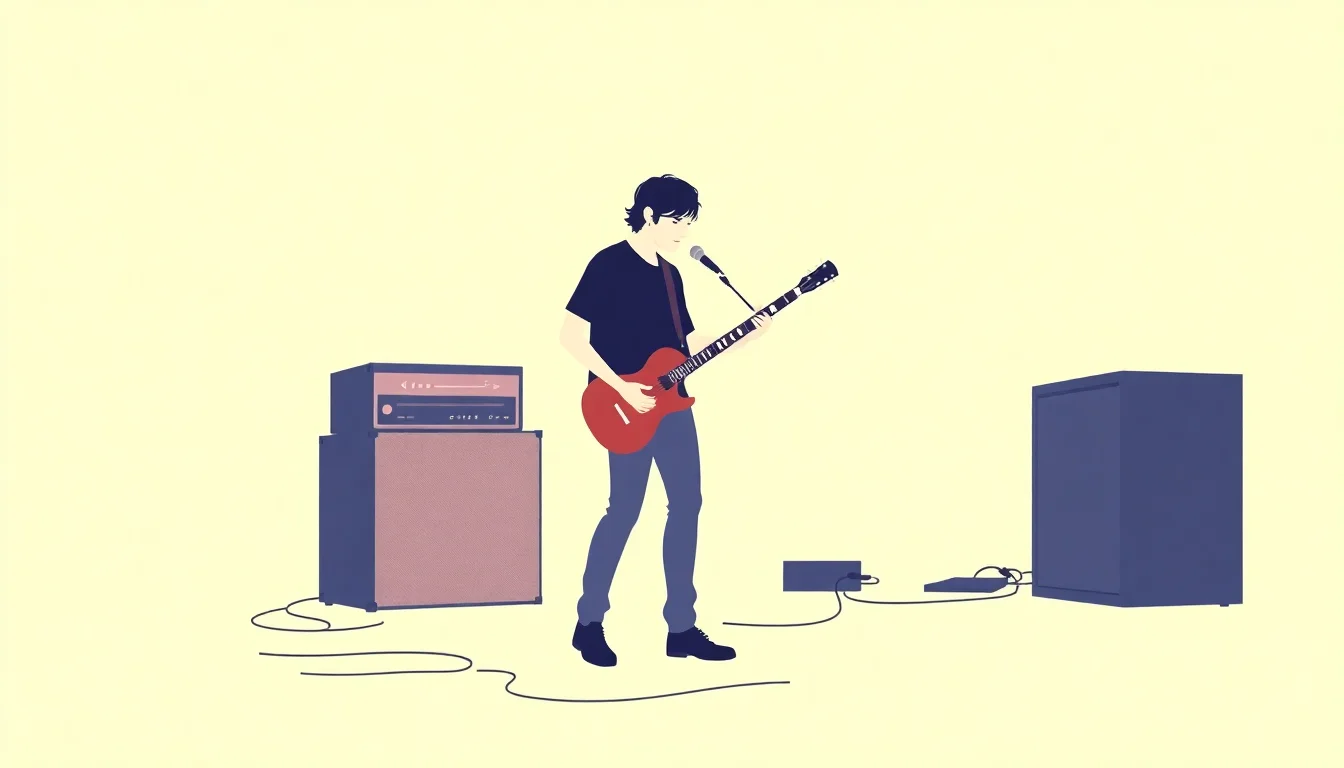
The defining sonic signature of noise rock lies in its aggressive use of guitars, often pushed to their limits with heavy distortion pedals and amplifiers cranked to produce overwhelming volume. Feedback is not just an accidental byproduct but a compositional tool, manipulated to create sustained, often piercing tones. Dissonance is common, with chords and melodies deliberately clashing to create tension. Rhythmic structures can be unconventional, sometimes eschewing traditional time signatures for more erratic or repetitive patterns. The overall effect is a dense, often overwhelming wall of sound that prioritizes texture and raw energy over polished production.
⭐ Who is Noise Rock For?
Noise rock is an ideal genre for individuals who find conventional music too predictable or lacking in intensity. It's particularly suited for those with a sensory-seeking profile, who may be drawn to loud volumes, complex sonic textures, and a high degree of auditory stimulation. Listeners who appreciate the raw, unbridled energy of punk rock but crave a more experimental edge will likely find a home here. It appeals to those who are not afraid of challenging sounds and who find catharsis or excitement in sonic intensity. If you enjoy music that feels visceral and demands your full attention, noise rock might be your next sonic obsession.
🎧 Essential Listening: Pioneers & Modern Masters
The roots of noise rock are firmly planted with pioneers like The Velvet Underground, whose experimental approach to sound laid crucial groundwork, and the raw energy of The Stooges. Early bands that solidified the genre include Sonic Youth, known for their unique tuning experiments and feedback manipulation, and Big Black, with their industrial-tinged, abrasive sound. More contemporary artists like Swans (in their later, heavier incarnations), Lightning Bolt, and Battles (early work) continue to push the sonic envelope, demonstrating the genre's enduring power and adaptability. Exploring these artists provides a comprehensive understanding of noise rock's evolution.
💥 The Sensory Experience: Distortion & Feedback
The sensory impact of noise rock is undeniable, largely due to its maximalist approach to distortion and feedback. Distortion pedals, such as fuzz, overdrive, and even more extreme options, are used not just to color the sound but to fundamentally alter its character, creating thick, often gritty textures. Feedback, the sustained howl or squeal produced when a guitar's sound is captured by its own amplifier, is often intentionally generated and controlled. Musicians might use specific guitar techniques, amplifier settings, or even external devices to create and shape these sustained tones, turning them into melodic or textural components that contribute to the genre's signature intensity and sonic density.
💡 Understanding the 'Noise' Element
The 'noise' in noise rock isn't merely about loudness; it's about the deliberate incorporation of sounds typically considered undesirable in traditional music. This can include intentional dissonance, static, industrial sounds, and the aforementioned feedback. It's about exploring the sonic spectrum beyond conventional pitches and harmonies, using texture and timbre as primary expressive tools. For the sensory seeker, this 'noise' can be a source of profound engagement, offering a complex and stimulating auditory experience that goes beyond simple melody and rhythm. It challenges the listener's perception of what constitutes 'music' and opens up new avenues for sonic appreciation.
🤔 Noise Rock vs. Other Genres
While sharing roots with post-punk and hardcore punk, noise rock distinguishes itself through its radical embrace of sonic texture and dissonance. Unlike alternative rock, which often retains more conventional song structures, noise rock prioritizes abrasive soundscapes. Industrial music shares a similar interest in harsh textures but often incorporates electronic elements and a more conceptual, thematic approach, whereas noise rock typically remains guitar-centric. Shoegaze also utilizes heavy effects pedals and layered sounds, but generally aims for a more ethereal, melodic, and often melancholic atmosphere, contrasting with noise rock's often confrontational and raw energy.
🚀 Where to Experience Noise Rock Live
Experiencing noise rock live is often where its full sensory power is unleashed. Many bands in this genre are known for their electrifying live performances, characterized by high volumes and intense energy. Look for shows at smaller, independent venues and DIY spaces that are accustomed to hosting experimental and loud music. Checking local music listings, independent record stores, and online platforms dedicated to underground music are excellent ways to find upcoming noise rock shows. Attending a live performance offers a visceral encounter with the genre's sonic intensity, often providing a more immersive and impactful experience than studio recordings alone. Be prepared for a powerful auditory journey.
Key Facts
- Year
- 1970
- Origin
- New York City No Wave Scene
- Category
- Sensory Seeking
- Type
- Auditory Stimulus
Frequently Asked Questions
Is noise rock always loud?
While noise rock is predominantly characterized by high volume and intense sonic textures, 'loudness' is more about the density and aggression of the sound than just decibels. Some tracks might explore quieter, more dissonant passages, but the overall aesthetic leans heavily towards a powerful and often overwhelming auditory experience. The deliberate use of distortion and feedback contributes significantly to this perceived loudness and intensity, even in moments that aren't at peak volume.
What are the main instruments used in noise rock?
The electric guitar is the undisputed central instrument in noise rock, often used with a wide array of effects pedals to achieve extreme distortion, feedback, and unique timbres. Bass guitar and drums are also fundamental, though they are often played with a raw, driving, and sometimes unconventional approach to match the guitar's intensity. Vocals can range from shouted to spoken-word, or be heavily processed, often serving more as another textural element than a melodic focus.
How is noise rock different from just making random noise?
While noise rock incorporates elements of noise, it's far from random. Skilled artists manipulate distortion, feedback, and dissonance with intention, using them as compositional tools to create specific textures, moods, and sonic structures. There's often a strong rhythmic or structural undercurrent, even if it's unconventional. The 'noise' is carefully sculpted to evoke particular feelings or sonic landscapes, distinguishing it from unorganized sound.
Can noise rock be melodic?
While melody in the traditional sense is often de-emphasized, noise rock can contain melodic elements, albeit often buried within layers of distortion and dissonance. Some bands might hint at melodic lines through feedback manipulation or repetitive, hypnotic guitar figures. The focus, however, is typically on the raw sonic impact and textural complexity rather than easily hummable tunes. The 'melody' might be found in the interplay of abrasive sounds rather than a clear vocal line.
Is noise rock suitable for someone new to experimental music?
Noise rock can be a challenging entry point into experimental music due to its intensity. However, for listeners who are already drawn to loud, high-energy music like punk rock or heavy metal, it might be a more accessible leap than other avant-garde genres. Starting with bands that have clearer song structures or a stronger connection to their punk roots, like early Sonic Youth, could be a good first step before diving into more extreme examples.