
Contents
- 🤘 What Exactly Is Metal Music?
- 🗺️ Where Did Metal Emerge From?
- 🎶 The Core Sound: Distortion & Power
- ⚖️ Subgenres: A Universe of Extremes
- ⭐ Key Artists & Pioneers
- 💥 The Live Experience: Mosh Pits & Mayhem
- 📈 Metal's Cultural Impact & Evolution
- 💡 Tips for Newcomers to the Scene
- Frequently Asked Questions
- Related Topics
Overview
Metal music, a potent descendant of hard rock and blues, exploded onto the scene in the late 1960s and early 1970s with bands like Black Sabbath, Led Zeppelin, and Deep Purple forging its heavy, distorted sound. Characterized by aggressive tempos, amplified distortion, and often virtuosic guitar solos, metal quickly splintered into a vast array of subgenres, from the melodic intricacies of power metal to the raw brutality of death metal and the atmospheric depths of black metal. Its cultural footprint is undeniable, influencing fashion, art, and even philosophy, while its dedicated fanbase, often referred to as 'metalheads,' forms a global community united by a shared passion for the genre's intensity and thematic exploration. The ongoing evolution of metal continues to push sonic boundaries, with new movements and hybrid genres constantly emerging.
🤘 What Exactly Is Metal Music?
Heavy metal is a genre of rock that exploded onto the scene in the late 1960s and early 1970s, primarily forged in the UK and the US. It's not just loud; it's a deliberate sonic assault, built on a foundation of blues rock, psychedelic rock, and acid rock. Think of it as rock music turned up to eleven, then distorted and amplified until it shakes the very foundations of what you thought music could be. This genre is for those who crave intensity, power, and a sound that demands attention.
🗺️ Where Did Metal Emerge From?
The genesis of heavy metal can be traced back to the blues-drenched riffs of artists like Cream and the psychedelic explorations of Jimi Hendrix. However, it was bands like Black Sabbath, Led Zeppelin, and Deep Purple in the early 1970s who truly codified the genre. They took the raw energy of blues rock and injected it with a darker, heavier, and more monumental sound, laying the groundwork for everything that followed. The initial scene was a crucible of innovation, pushing the boundaries of volume and sonic texture.
🎶 The Core Sound: Distortion & Power
At its heart, heavy metal is defined by its signature sound: heavily distorted guitars that create a thick, often 'monumental' wall of sound. This is complemented by powerful, driving drum beats, prominent bass lines, and often, extended, virtuosic guitar solos. Vocals can range from soaring cleans to guttural growls, depending on the subgenre. The emphasis is on loudness and a powerful, often aggressive, sonic presence that distinguishes it from its rock predecessors.
⚖️ Subgenres: A Universe of Extremes
The metal landscape is vast and diverse, branching into countless subgenres since its inception. From the foundational sound of traditional heavy metal, you can explore the speed and aggression of thrash metal (think Metallica, Slayer), the extreme vocals and blast beats of death metal (e.g., Death), the atmospheric and often melodic intricacies of black metal (e.g., Mayhem), or the epic storytelling of power metal (e.g., Helloween). Each subgenre offers a unique flavor of intensity and musicality.
⭐ Key Artists & Pioneers
The pioneers who shaped heavy metal are legendary. Tony Iommi of Black Sabbath is often hailed as the architect of the genre's guitar sound, developing his signature heavy riffs after a workshop accident. Robert Plant's vocal prowess with Led Zeppelin set a high bar for rock and metal singers, while Ozzy Osbourne's solo career continued to push the boundaries of heavy music. These artists, among others, established the sonic and thematic templates that countless bands would follow.
💥 The Live Experience: Mosh Pits & Mayhem
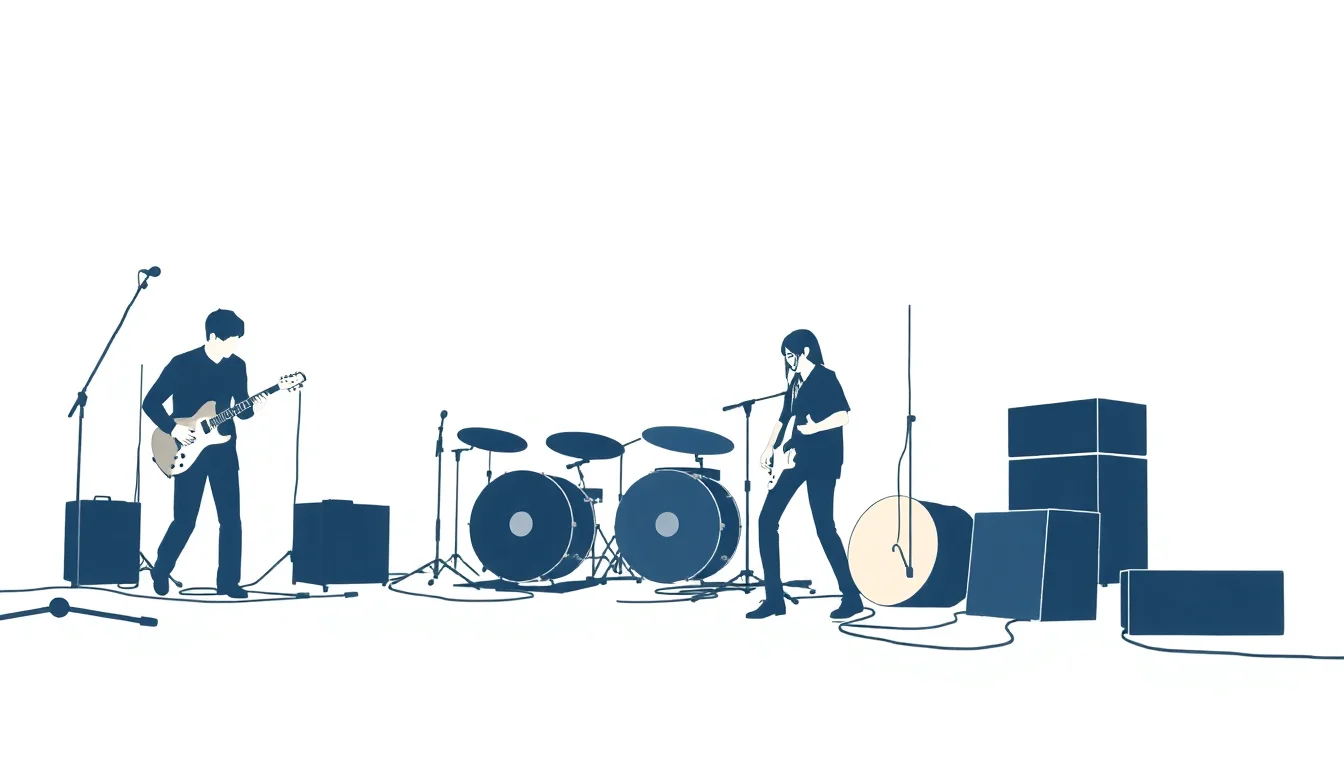
Attending a live metal show is an essential part of the experience. Expect a high-energy environment, often featuring 'mosh pits' where fans enthusiastically collide and dance, and 'headbanging' to the rhythm. The sheer volume and intensity of a live metal performance are designed to be an immersive, visceral experience. Venues can range from intimate clubs to massive arenas, each offering a different flavor of the metal community's shared passion.
📈 Metal's Cultural Impact & Evolution
Heavy metal has profoundly influenced not only music but also fashion, art, and popular culture. Its themes often explore darker aspects of life, fantasy, mythology, and social commentary, resonating with a dedicated global fanbase. Over the decades, metal has continuously evolved, absorbing influences and spawning new subgenres, demonstrating remarkable resilience and adaptability in the face of changing musical trends. Its cultural footprint is undeniable, fostering strong communities worldwide.
💡 Tips for Newcomers to the Scene
Diving into metal can feel daunting, but it's an incredibly rewarding journey. Start with the foundational bands like Black Sabbath, Led Zeppelin, and Deep Purple to grasp the roots. Then, explore the 'Big Four' of thrash metal – Metallica, Megadeth, Slayer, and Anthrax – to understand speed and aggression. Don't be afraid to sample different subgenres; what one fan loves, another might not. Many online communities and streaming service playlists can guide you through the vast metal universe.
Key Facts
- Year
- 1968
- Origin
- Birmingham, England
- Category
- Music Genres
- Type
- Genre
Frequently Asked Questions
Is heavy metal just loud noise?
While loudness and distortion are key characteristics, heavy metal is far more than just noise. It involves complex song structures, intricate guitar solos, powerful drumming, and often, sophisticated lyrical themes. The intensity is a deliberate artistic choice to convey emotion and power, not a lack of musicality.
What's the difference between rock and metal?
Heavy metal evolved from rock music but typically features a more aggressive sound, heavier distortion, faster tempos, and often darker lyrical themes. While rock can be diverse, metal generally pushes the boundaries of volume, intensity, and sonic weight.
How do I start listening to metal?
Begin with the pioneers like Black Sabbath and Led Zeppelin. Then, explore the major subgenres like thrash metal (Metallica, Slayer), death metal (Death), and black metal (Mayhem). Streaming services offer curated playlists that can help you discover bands within different styles.
Are metal fans aggressive?
While live shows can be energetic with mosh pits, the metal community is generally passionate and welcoming. The aggression often seen at concerts is a form of cathartic release and shared energy, not indicative of hostility towards outsiders. Many fans are deeply knowledgeable and eager to share their passion.
What are some common metal subgenres?
Key subgenres include traditional heavy metal, thrash metal, death metal, black metal, power metal, doom metal, progressive metal, and metalcore. Each has distinct sonic characteristics, vocal styles, and thematic focuses.
Where can I find metal music online?
Major streaming platforms like Spotify, Apple Music, and YouTube Music have extensive metal catalogs and curated playlists. Websites like Bandcamp are excellent for discovering independent metal artists, and dedicated metal news sites offer reviews and recommendations.