
Contents
Overview
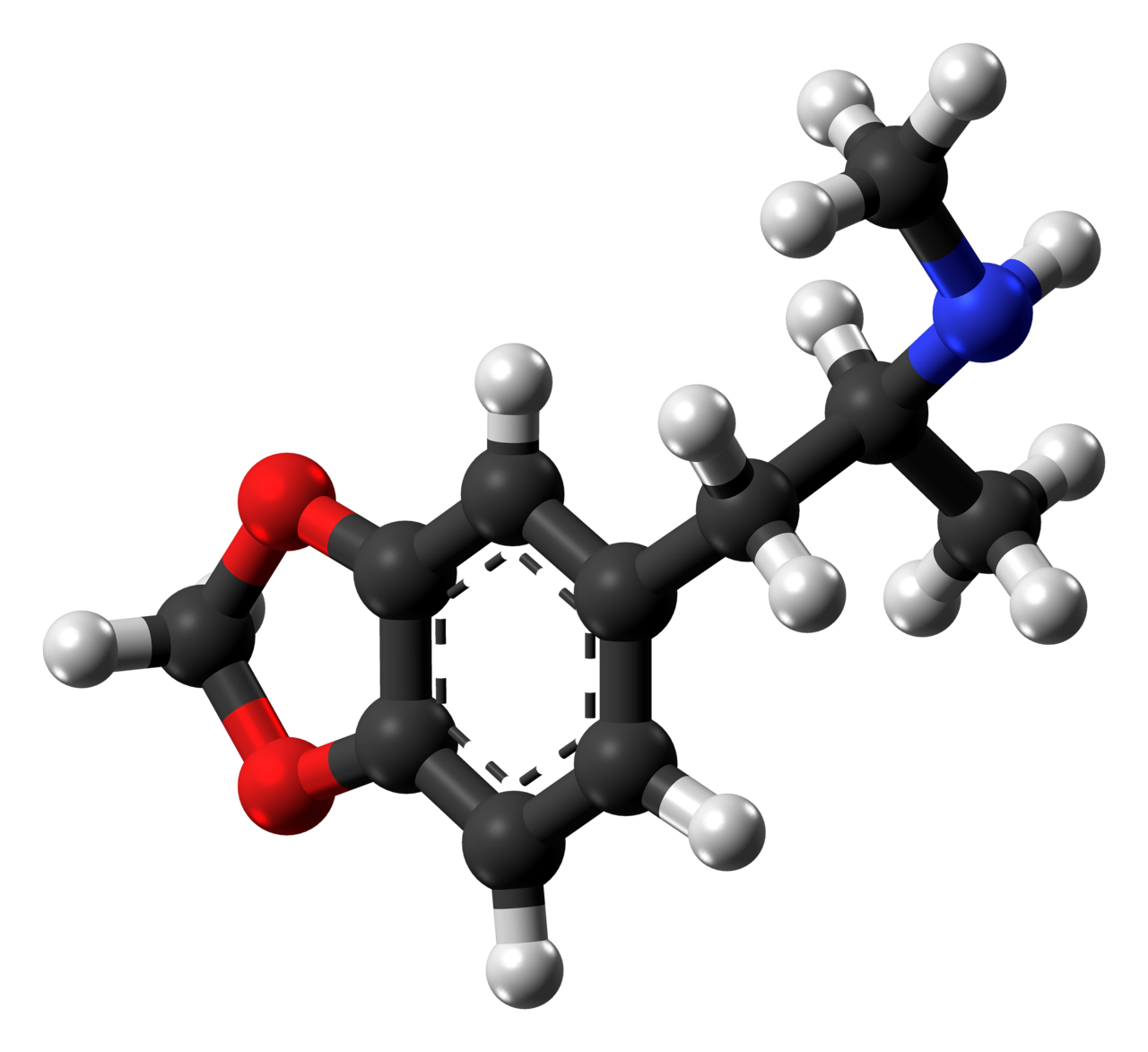
MDMA, or 3,4-methylenedioxymethamphetamine, is a synthetic psychoactive drug known for its stimulant and psychedelic properties. Often referred to as 'Ecstasy' or 'Molly,' it's primarily recognized for its ability to foster feelings of empathy, emotional closeness, and heightened sensory perception. Historically, MDMA saw therapeutic exploration in the 1970s and 80s for its potential in psychotherapy, particularly for trauma and relationship counseling, before its widespread recreational use and subsequent scheduling as a Schedule I controlled substance in the U.S. in 1985. Today, research is re-emerging, exploring its therapeutic applications under strict clinical supervision, while recreational use continues to carry significant risks due to unpredictable purity and dosage.
💊 What is MDMA?
MDMA, scientifically known as 3,4-Methylenedioxymethamphetamine, is a synthetic psychoactive substance that falls into the entactogen class, meaning it promotes feelings of emotional closeness and empathy. It's widely recognized in popular culture as ecstasy when sold as pills or capsules, and as molly when presented as a crystalline powder. While often categorized alongside stimulants due to its energizing effects, MDMA also possesses mild psychedelic properties, distinguishing it from more potent hallucinogens. Its unique combination of effects makes it a subject of both recreational use and burgeoning therapeutic research.
✨ The Vibe: Effects & Experience
The subjective experience of MDMA is characterized by profound feelings of empathy, emotional openness, and heightened sensory perception. Users often report an increased sense of connection with others, a reduction in inhibitions, and a general feeling of well-being and euphoria. Physically, it acts as a stimulant, increasing heart rate and blood pressure, and can lead to sensations of increased energy and alertness. The duration of effects typically ranges from 3 to 6 hours, with residual effects sometimes lasting longer.
⚖️ Legal Status & Risks
The legal status of MDMA varies significantly worldwide. In most countries, including the United States and across the European Union, it is classified as a Schedule I controlled substance, indicating a high potential for abuse and no currently accepted medical use. Possession, sale, and manufacturing are subject to severe penalties. Beyond legal ramifications, MDMA carries physiological risks, including hyperthermia, dehydration, cardiovascular strain, and potential neurotoxicity, particularly with high doses or frequent use.
💡 Historical Context & Cultural Impact
MDMA first emerged in the early 20th century, synthesized by Merck in 1912, though it remained largely obscure until the 1970s when it was explored for psychotherapeutic applications. Its popularity surged in the 1980s and 1990s, becoming a staple of rave culture and electronic dance music scenes, earning it the moniker "love drug". This widespread recreational use, coupled with concerns about purity and adulteration, led to its widespread prohibition.
🔬 How it Works: The Neurochemistry
At a neurochemical level, MDMA primarily influences the release and reuptake of key neurotransmitters in the brain, most notably serotonin. It causes a significant surge in serotonin, which is responsible for mood regulation, sleep, and appetite. It also affects dopamine and norepinephrine, contributing to its stimulant and mood-elevating effects. This profound alteration of brain chemistry underlies both its therapeutic potential and its associated risks.
📈 The Therapeutic Frontier
In recent years, there has been a resurgence of interest in MDMA's therapeutic applications, particularly for treating PTSD. Clinical trials, notably those conducted by the MAPS, have shown promising results, with MDMA-assisted therapy demonstrating significant efficacy in reducing PTSD symptoms. This research has propelled MDMA towards potential FDA approval for specific medical uses, marking a potential paradigm shift in mental healthcare.
⚠️ Safety & Harm Reduction
Practicing harm reduction is crucial for anyone considering using MDMA. This includes ensuring the substance is pure through drug checking services, starting with a low dose, staying hydrated (but not overhydrating), avoiding mixing with other substances, and being in a safe, comfortable environment with trusted companions. Understanding the risks of overheating and hyponatremia is paramount. It's also advisable to allow ample time for recovery between uses to mitigate potential long-term effects.
❓ Frequently Asked Questions
What is the difference between ecstasy and molly? While often used interchangeably, 'ecstasy' typically refers to MDMA in tablet form, which may contain adulterants, whereas 'molly' is generally understood to be MDMA in crystalline powder form, though purity is not guaranteed. Is MDMA addictive? While MDMA is not considered physically addictive in the same way as opioids or alcohol, psychological dependence can develop, and frequent use can lead to tolerance and potential mood disturbances. What are the long-term effects? Research is ongoing, but potential long-term effects can include persistent mood changes, memory impairments, and changes in sleep patterns, particularly with heavy or chronic use. Can MDMA be used safely? When used in controlled therapeutic settings with professional guidance and rigorous safety protocols, the risks are significantly mitigated. Recreational use carries inherent risks due to unknown purity and dosage. What is the current legal status for medical use? MDMA is still a Schedule I substance in most jurisdictions, but ongoing clinical trials are paving the way for potential medical approval for specific conditions like PTSD.
Key Facts
- Year
- 1912
- Origin
- Merck, Germany
- Category
- Psychoactive Substances
- Type
- Drug
Frequently Asked Questions
What is the difference between ecstasy and molly?
While often used interchangeably, 'ecstasy' typically refers to MDMA in tablet form, which may contain adulterants, whereas 'molly' is generally understood to be MDMA in crystalline powder form, though purity is not guaranteed. It's always recommended to test any substance regardless of its perceived form.
Is MDMA addictive?
MDMA is not considered physically addictive in the same way as substances like opioids or alcohol. However, psychological dependence can develop, and frequent use can lead to tolerance and potential mood disturbances. Users may find themselves craving the emotional openness and connection it provides.
What are the potential long-term effects of MDMA use?
Research is ongoing, but potential long-term effects can include persistent mood changes, memory impairments, and changes in sleep patterns, particularly with heavy or chronic use. Neurotoxicity concerns are often linked to high doses, frequent redosing, and overheating.
Can MDMA be used safely?
When used in controlled therapeutic settings with professional guidance and rigorous safety protocols, the risks are significantly mitigated. Recreational use carries inherent risks due to unknown purity, dosage, and the absence of medical supervision. Practicing harm reduction is essential for recreational users.
What is the current legal status for medical use?
MDMA is still a Schedule I substance in most jurisdictions, meaning it has a high potential for abuse and no accepted medical use. However, ongoing clinical trials, particularly for PTSD, are showing promising results and are paving the way for potential medical approval in the future.
What are the primary risks associated with MDMA use?
Key risks include hyperthermia (dangerous overheating), dehydration, cardiovascular strain (increased heart rate and blood pressure), hyponatremia (dangerously low sodium levels from overhydration), and potential neurotoxicity. Mental health risks can include anxiety, paranoia, and depressive episodes, especially during comedowns or with frequent use.