
Contents
Overview
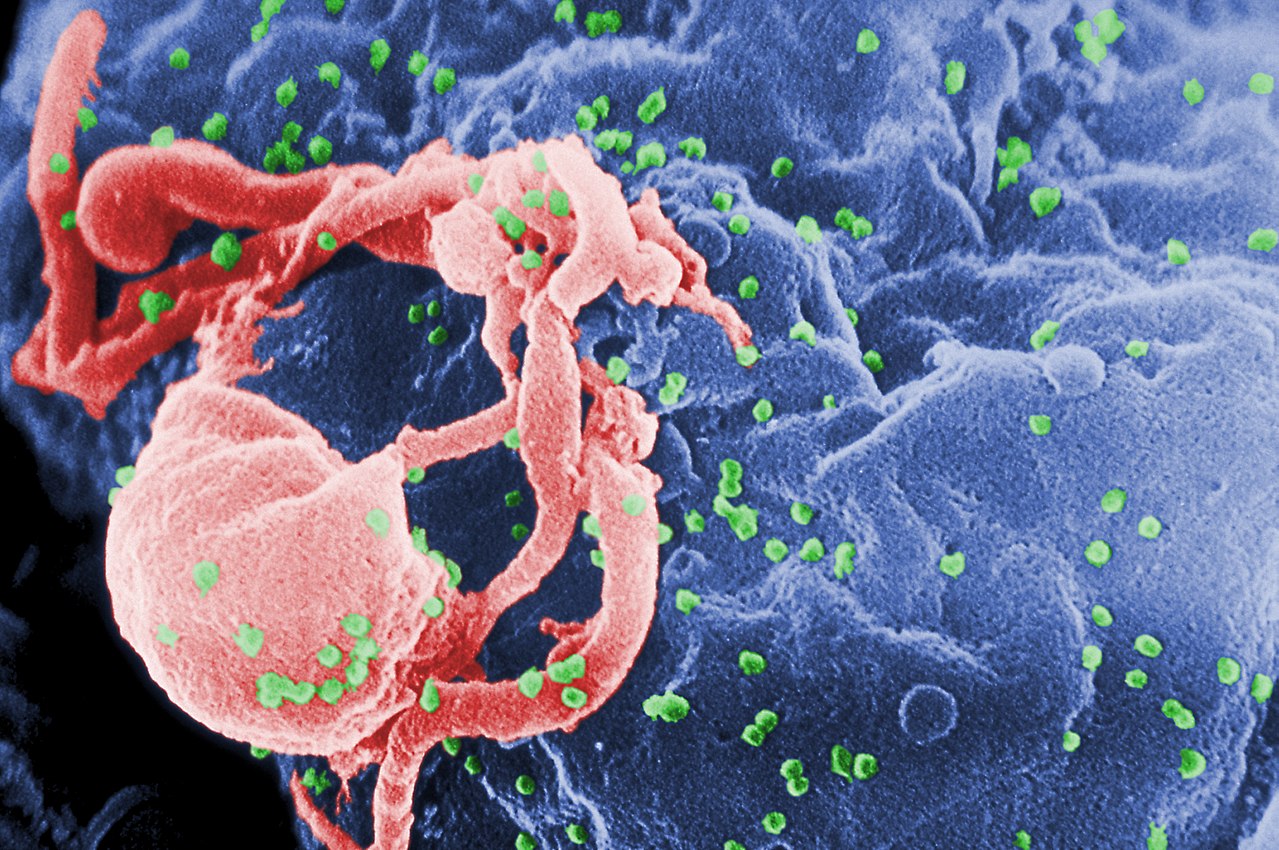
Human Immunodeficiency Virus (HIV) is a retrovirus that primarily targets the CD4+ T cells, a critical component of the immune system. When left untreated, HIV attacks and destroys these cells, leading to a weakened immune system. Over time, this can progress to AIDS, characterized by severe immune deficiency and susceptibility to opportunistic infections and certain cancers. The virus is transmitted through specific bodily fluids, including blood, semen, pre-seminal fluid, rectal fluids, vaginal fluids, and breast milk, typically via unprotected sex, sharing needles, or from mother to child during pregnancy, birth, or breastfeeding. Understanding the transmission routes is paramount for effective prevention and control.
🏥 Who Needs to Know About HIV?
Anyone who is sexually active, shares injection equipment, or has a history of unprotected sex, particularly with partners whose HIV status is unknown, should consider regular HIV testing. This includes individuals engaging in high-risk behaviors, such as unprotected anal or vaginal sex, or those who have experienced sexual assault. Pregnant individuals are also strongly advised to get tested to prevent mother-to-child transmission. Knowing your status is the first step towards managing your health and preventing further spread. Early diagnosis significantly improves treatment outcomes and long-term prognosis.
📍 Where to Get Tested & Care
Accessing HIV testing and care is crucial for managing the virus. Numerous clinics, hospitals, and community health centers offer confidential testing, often for free or at a low cost. Organizations like the CDC provide resources to locate testing sites. Once diagnosed, a healthcare provider specializing in HIV medicine can develop a personalized treatment plan. Regular medical check-ups are essential to monitor viral load, CD4+ T cell count, and overall health, ensuring treatment effectiveness and addressing any emerging concerns. Many facilities also offer PrEP and PEP services.
💊 Understanding Treatment Options
Antiretroviral therapy (ART) is the cornerstone of modern HIV management. ART involves a combination of HIV medications taken daily, which work by suppressing the virus's ability to replicate. When taken consistently as prescribed, ART can reduce the viral load to undetectable levels, meaning the virus is present in such small amounts that it cannot be transmitted sexually (Undetectable = Untransmittable, or U=U). This not only preserves immune function and prevents progression to AIDS but also dramatically improves the quality of life and life expectancy for people living with HIV. Different drug classes are used in ART, and regimens are tailored to individual needs.
🛡️ Prevention Strategies
Effective HIV prevention strategies are multifaceted. Safe sex practices, including consistent and correct use of condoms, are vital. PrEP is a daily medication taken by HIV-negative individuals at high risk of infection to significantly reduce their chances of contracting the virus. PEP is a short course of HIV medication taken within 72 hours after a potential exposure to prevent infection. Harm reduction programs, such as needle exchange services, are critical for preventing transmission among people who inject drugs. HIV education and awareness campaigns also play a significant role in empowering individuals to protect themselves and others.
📈 The Evolution of HIV Management
The journey of HIV management has seen remarkable progress since the epidemic's emergence in the early 1980s. Initially, HIV was a death sentence, with limited treatment options and widespread fear. The development of antiretroviral drugs in the mid-1990s marked a turning point, transforming HIV into a manageable chronic condition. The concept of U=U has been a monumental shift, reducing stigma and improving the lives of millions. Ongoing research continues to explore long-acting injectables, therapeutic vaccines, and even potential cures, pushing the boundaries of what's possible in HIV treatment and prevention.
⚖️ Debates and Controversies in HIV
Despite significant advancements, stigma and discrimination surrounding HIV remain persistent challenges, impacting access to care and quality of life for many. Debates continue regarding the optimal strategies for universal HIV testing and the equitable distribution of prevention tools like PrEP globally. There's also ongoing discussion about the ethical considerations and feasibility of HIV cure research, balancing hope with the realities of scientific development. The balance between individual privacy and public health imperatives in contact tracing also sparks considerable debate.
🌟 Looking Ahead: The Future of HIV
The future of HIV management is increasingly optimistic, driven by scientific innovation and a growing understanding of the virus. The pursuit of a functional cure for HIV remains a primary goal, with researchers exploring various avenues, including gene therapy and immunotherapies. The expansion of long-acting antiretroviral treatments promises to improve adherence and convenience for many. Furthermore, advancements in HIV vaccine development hold the potential for a preventative tool that could significantly alter the course of the epidemic. Continued advocacy and public health efforts are essential to achieve an end to the HIV epidemic.
Key Facts
- Year
- 1981
- Origin
- First identified in Los Angeles, California.
- Category
- Health & Medicine
- Type
- Medical Condition
Frequently Asked Questions
How is HIV transmitted?
HIV is transmitted through specific bodily fluids: blood, semen, pre-seminal fluid, rectal fluids, vaginal fluids, and breast milk. Common transmission routes include unprotected sex (vaginal, anal, or oral), sharing needles or syringes, and from mother to child during pregnancy, birth, or breastfeeding. It is NOT transmitted through casual contact like hugging, kissing, sharing utensils, or toilet seats.
Can HIV be cured?
Currently, there is no cure for HIV. However, with ART, HIV can be effectively managed, allowing individuals to live long, healthy lives and prevent transmission. Researchers are actively pursuing a cure through various innovative approaches, including gene therapy and immunotherapy.
What is the difference between HIV and AIDS?
HIV is the virus that attacks the immune system. AIDS (Acquired Immunodeficiency Syndrome) is the most advanced stage of HIV infection, occurring when the immune system is severely damaged. Not everyone with HIV will develop AIDS, especially with effective treatment.
How often should I get tested for HIV?
Recommendations vary based on risk factors. Generally, sexually active adults and adolescents should get tested at least once as part of routine healthcare. Individuals with higher risk factors may need testing more frequently, such as annually or every 3-6 months. Consult with a healthcare provider for personalized recommendations.
What does 'Undetectable = Untransmittable' (U=U) mean?
U=U means that a person with HIV who is on effective ART and has achieved and maintained an undetectable viral load cannot sexually transmit the virus to their partners. This is a significant public health message that reduces stigma and promotes treatment adherence.
What is PrEP and who should consider it?
PrEP (Pre-Exposure Prophylaxis) is a daily medication taken by HIV-negative individuals who are at high risk of contracting HIV. It significantly reduces the risk of infection. It's recommended for people who have sex with partners with HIV, engage in condomless sex, or share injection equipment.