
Contents
Overview
Hasidic Judaism, a branch of Orthodox Judaism, emerged in 18th-century Eastern Europe, emphasizing Jewish mysticism and emotional devotion to God. Unlike more intellectual approaches, Hasidism, founded by Rabbi Israel ben Eliezer (the Baal Shem Tov), prioritizes joy, prayer with intense fervor, and the concept of God's presence in all things. Adherents, known as Hasidim, often live in distinct communities, maintaining traditional dress and a strong communal bond. This movement revitalized Jewish spiritual life, offering a path to connect with the divine through everyday actions and ecstatic prayer.
📍 Where to Find Hasidic Communities
Hasidic communities are concentrated in specific urban centers and enclaves globally, with the largest concentrations in New York City, particularly in Brooklyn neighborhoods like Borough Park, Crown Heights, and Williamsburg. Significant populations also exist in Israel, especially in Jerusalem and Bnei Brak, as well as in cities like Los Angeles, Montreal, and London. These communities often function as self-contained units, with their own schools, synagogues, and social services, making them visible yet distinct within the broader urban fabric.
📜 Core Beliefs & Practices
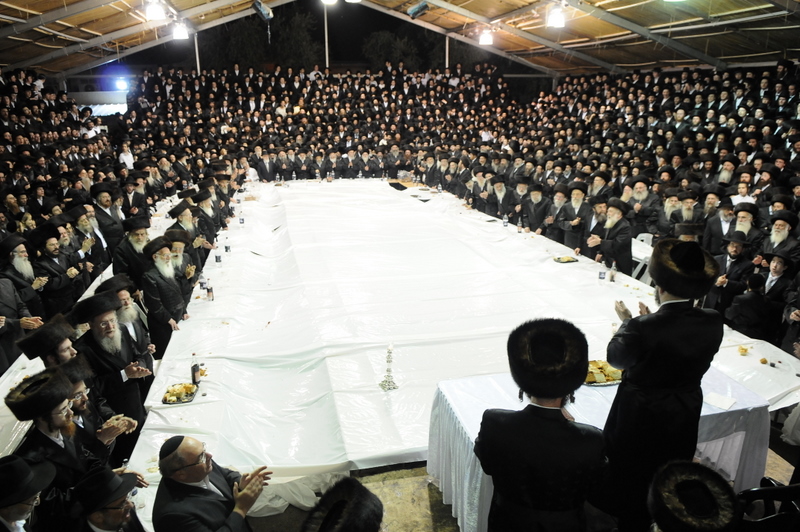
At its heart, Hasidic Judaism centers on the belief in the Torah as the divine word and the importance of observing its commandments. A key tenet is the concept of Deveikut, or cleaving to God, achieved through fervent prayer, singing, and dancing. Each Hasidic group is typically led by a Rebbe, a spiritual leader considered a successor to the founder and a conduit to divine wisdom. Rituals are central, including daily prayer services, Sabbath observance, and the celebration of Jewish holidays with unique customs and melodies.
🤝 Community & Lifestyle
Hasidic life is characterized by a strong emphasis on community and family. Adherents often marry young and raise large families, which are seen as a blessing and a continuation of tradition. The distinctive Hasidic attire, often featuring dark suits, hats, and beards for men, and modest clothing for women, serves as a visible marker of their commitment to tradition and separation from secular society. Social interactions are deeply intertwined with religious observance, with communal meals, celebrations, and mutual support forming the bedrock of daily life.
📚 Key Texts & Study
The primary sacred text for Hasidim, as for all Jews, is the Tanakh (Hebrew Bible), particularly the Torah. However, Hasidic philosophy heavily draws from the Kabbalistic teachings and the writings of the Baal Shem Tov and subsequent Rebbes. Study sessions, known as Tish, often involve discussions of Torah portions, Talmudic passages, and Hasidic lore, led by the Rebbe or a senior member. These sessions are not merely academic but are intended to imbue participants with spiritual insight and practical guidance for living a holy life.
🎶 Music & Spirituality
Music, or Niggunim (melodies), plays a crucial role in Hasidic spiritual expression. These wordless melodies are used to evoke deep emotions and facilitate a connection with the divine during prayer and gatherings. Many Hasidic groups have their own distinct musical traditions, passed down through generations. The ecstatic singing and dancing at Shabbat meals and holiday celebrations are not mere entertainment but are considered integral forms of worship, allowing individuals to transcend the mundane and experience spiritual ecstasy.
⚖️ Modern Life & Challenges
Hasidic communities navigate the complexities of modern life while striving to maintain their traditional values. Challenges include balancing religious education with secular opportunities, engaging with the wider world without compromising their distinct identity, and addressing internal issues such as succession disputes among Rebbes or adapting to changing economic realities. The rise of technology and social media presents both opportunities for outreach and potential threats to their insular way of life, sparking ongoing debates about engagement and preservation.
❓ Getting Involved
For those interested in learning more or experiencing Hasidic culture, visiting a community can be insightful. Many synagogues welcome visitors, especially during Shabbat meals or holiday observances, though it's advisable to contact them in advance. Respectful attire and behavior are paramount. Engaging with Hasidic texts or attending lectures by scholars specializing in Hasidic Judaism can also provide a deeper understanding. Some communities offer guided tours or have specific outreach programs for those seeking to learn about their way of life.
Key Facts
- Year
- c. 1740
- Origin
- Podolia, Ukraine
- Category
- Religion & Spirituality
- Type
- Religious Movement
Frequently Asked Questions
What is the main difference between Hasidic Judaism and other forms of Orthodox Judaism?
While both adhere to Jewish law (Halakha), Hasidic Judaism places a much stronger emphasis on mystical experience, emotional devotion, and the role of a spiritual leader. Hasidism often involves ecstatic prayer, singing, and dancing as central to worship, a focus less pronounced in other Orthodox streams. The communal lifestyle and distinct traditions are also more pronounced in Hasidic communities.
What is a Rebbe?
A Rebbe is a spiritual leader and guide in a Hasidic group. Often considered a descendant of a previous Rebbe, they are seen as possessing profound spiritual insight and a close connection to God. The Rebbe leads prayers, gives spiritual counsel, interprets religious texts, and presides over Tish gatherings, significantly influencing the community's spiritual and daily life.
What is Hasidic dress code?
Hasidic men typically wear dark suits, white shirts, and various styles of hats (e.g., fedoras, homburgs) depending on their specific group. They often grow beards and sidecurls (peyot). Women adhere to strict standards of modesty, covering their hair after marriage and wearing long skirts and modest tops. This attire is a visible expression of their commitment to religious tradition and separation from secular influences.
Are all Hasidic Jews the same?
No, there are many different Hasidic groups, each with its own distinct customs, traditions, and Rebbe. While they share core beliefs rooted in Orthodox Judaism and Hasidic philosophy, variations exist in prayer styles, melodies, dress, and community practices. Prominent examples include Chabad-Lubavitch, Satmar, Belz, and Ger.
How do Hasidic communities interact with the outside world?
Interaction varies greatly by group. Some, like Chabad-Lubavitch, actively engage with non-Hasidic Jews and the broader public through outreach programs. Others maintain a more insular existence, limiting interaction to essential economic or civic necessities. Generally, there is a strong emphasis on preserving their unique religious and cultural identity, often leading to a degree of separation from secular society.
What are Niggunim?
Niggunim are wordless tunes used in Hasidic worship and spiritual practice. They are believed to convey deep spiritual meaning and emotion that words cannot fully express. These melodies are an integral part of prayer, meditation, and communal gatherings, serving as a powerful tool for achieving Deveikut (cleaving to God).