
Contents
- 🏦 Overview: The UK's Financial Architect
- 📜 Historical Roots: From Government Banker to Global Influence
- 🏛️ Location & Access: Threadneedle Street's Hub
- 📈 Key Functions: Monetary Policy & Financial Stability
- 💰 Pricing & Plans: Not Applicable for Public Services
- ⭐ What People Say: Public Perception & Trust
- 🆚 Comparison: Global Central Banks
- 💡 Practical Tips for Engaging with the Bank
- 📞 Getting Started: Contact & Resources
- Frequently Asked Questions
- Related Topics
Overview
The Bank of England, established in 1694, is the central bank of the United Kingdom. It plays a critical role in maintaining monetary and financial stability for the UK economy. Its core functions include setting interest rates, issuing currency, supervising banks, and acting as a lender of last resort. The Bank's decisions, particularly on interest rates, have a profound impact on everything from mortgage payments to the value of the pound sterling, influencing businesses and households across the nation. Understanding its operations is key to grasping the dynamics of the UK's economic health.
🏦 Overview: The UK's Financial Architect
The Bank of England is the central bank for the United Kingdom, a pivotal institution shaping the nation's financial landscape. Established in 1694, it serves as the government's banker, manages national debt, and crucially, sets monetary policy to maintain price stability and support economic growth. Its influence extends far beyond UK borders, serving as a model for central banks worldwide and playing a significant role in global financial stability. Understanding its functions is key to grasping the mechanics of the UK economy.
📜 Historical Roots: From Government Banker to Global Influence
The Bank's origins trace back to the late 17th century, specifically 1694, when it was founded to finance the English government's war efforts and manage its burgeoning debt. This foundational role as a government banker has persisted, though its mandate has evolved dramatically. It is the world's second-oldest central bank, predated only by Sweden's Riksbank (1668), and its long history provides a unique perspective on economic evolution and the development of modern central banking practices, influencing institutions like the Federal Reserve System and the European Central Bank.
🏛️ Location & Access: Threadneedle Street's Hub
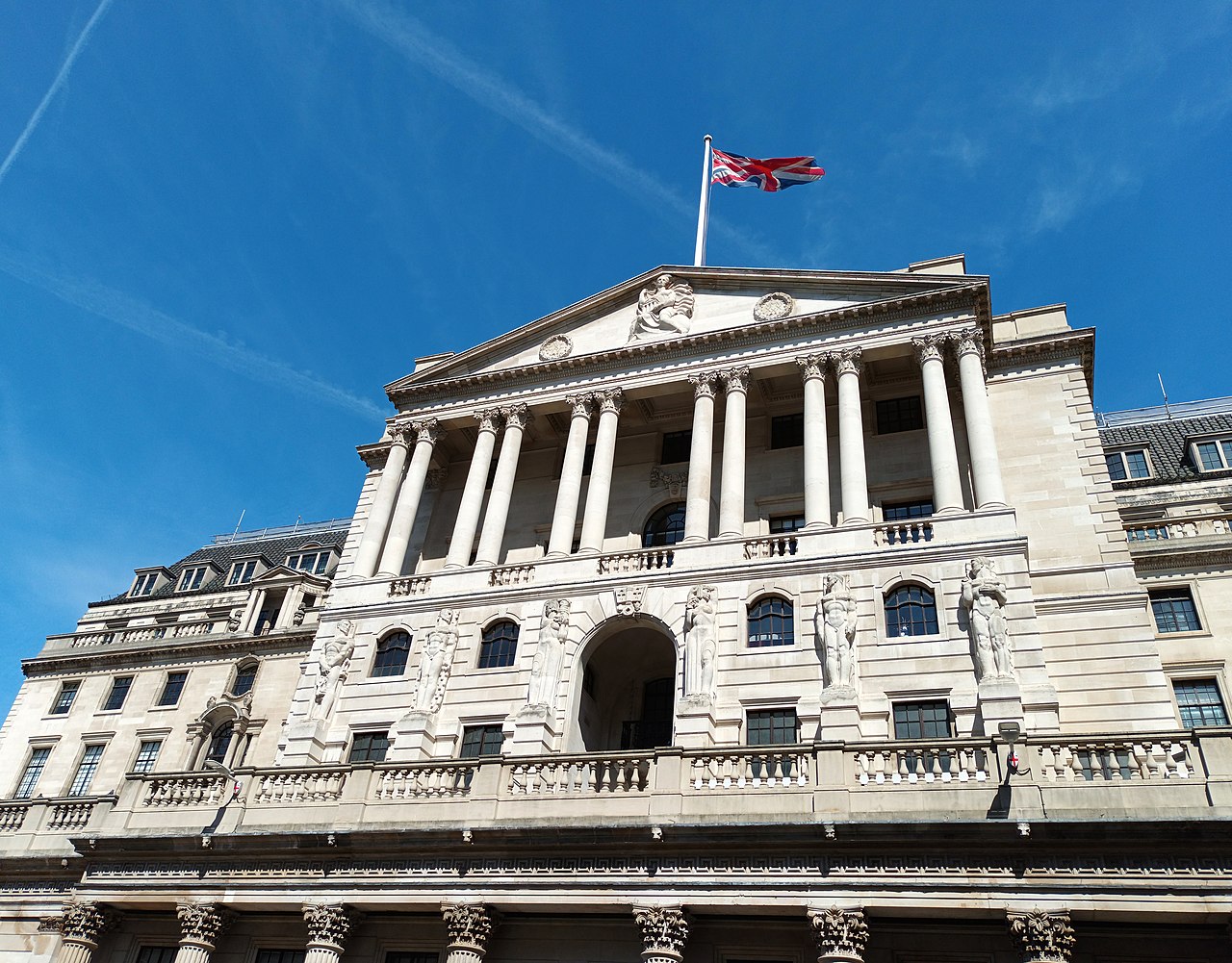
The Bank of England's headquarters are famously located at Threadneedle Street in the heart of the City of London, EC2R 8AH. While public access to the main building is limited, the Bank does offer guided tours and educational events, providing a glimpse into its historic architecture and operations. Its central location underscores its deep integration within the UK's financial district, facilitating close collaboration with commercial banks and financial market participants.
📈 Key Functions: Monetary Policy & Financial Stability
At its core, the Bank of England's responsibilities revolve around two primary pillars: monetary policy and financial stability. The Monetary Policy Committee (MPC) sets the Bank Rate, the UK's key interest rate, aiming to keep inflation at the government's target of 2%. Simultaneously, the Prudential Regulation Authority (PRA), which is part of the Bank, supervises major financial institutions to ensure the stability of the UK's financial system, preventing crises like those seen in 2008.
💰 Pricing & Plans: Not Applicable for Public Services
As a public institution responsible for national economic management, the Bank of England does not operate on a pricing or subscription model for its core services. Its functions, such as setting interest rates and maintaining financial stability, are public goods. While specific reports or data may be available for purchase through official channels, the Bank's primary outputs—monetary policy decisions and financial stability assessments—are freely accessible to the public via its website and official publications.
⭐ What People Say: Public Perception & Trust
Public trust and perception are critical for any central bank. The Bank of England generally enjoys a high degree of credibility, particularly regarding its independence from political interference in setting monetary policy. However, like all central banks, it faces scrutiny, especially during periods of high inflation or economic uncertainty. Its communication strategy, including the Bank of England Quarterly Bulletin, plays a vital role in managing public expectations and maintaining confidence in its actions.
🆚 Comparison: Global Central Banks
Compared to other major central banks, the Bank of England stands out for its long history and its foundational role in shaping modern central banking. While the Federal Reserve (established 1913) is the central bank of the world's largest economy and the European Central Bank (established 1998) manages monetary policy for the Eurozone, the Bank of England's 1694 founding gives it a unique historical gravitas. Its operational scale and influence are commensurate with its status as the central bank of a G7 nation.
💡 Practical Tips for Engaging with the Bank
When engaging with information from the Bank of England, it's crucial to distinguish between its policy decisions and its analytical research. For businesses and individuals, understanding how changes in the Bank Rate affect borrowing costs and savings is paramount. For policymakers and academics, the Bank's extensive research publications and data sets offer invaluable insights into economic trends and policy effectiveness. Always refer to official Bank of England publications for the most accurate and up-to-date information.
📞 Getting Started: Contact & Resources
To learn more or access official resources, the primary point of contact is the Bank of England's official website. Here, you can find detailed information on monetary policy, financial stability reports, speeches by Bank officials, and historical archives. For specific inquiries, the Bank provides contact details for its press office and public information services. Exploring the Bank of England Museum is also a highly recommended way to understand its historical significance and operational evolution.
Key Facts
- Year
- 1694
- Origin
- England
- Category
- Finance & Economics
- Type
- Institution
Frequently Asked Questions
What is the main goal of the Bank of England?
The primary goal of the Bank of England is to maintain monetary and financial stability for the United Kingdom. This involves keeping inflation low and stable, typically at the government's target of 2%, and ensuring the resilience and stability of the UK's financial system.
How does the Bank of England influence interest rates?
The Bank of England's Monetary Policy Committee (MPC) sets the official 'Bank Rate', which is the interest rate at which commercial banks can borrow money from the Bank. This rate influences other interest rates across the economy, affecting borrowing costs for consumers and businesses, and influencing saving rates and investment decisions.
Is the Bank of England independent?
Yes, the Bank of England operates independently of the government in setting monetary policy. While the government sets the inflation target, the MPC has operational independence to decide how to achieve that target through tools like adjusting the Bank Rate.
Can I open a personal bank account at the Bank of England?
No, the Bank of England does not offer personal banking services to the public. It acts as the banker to the government and commercial banks, not to individuals. You would need to use a high-street commercial bank for personal accounts.
Where can I find official Bank of England reports?
All official reports, including the Monetary Policy Report, Financial Stability Report, and various research papers, are published on the Bank of England's official website. These are typically available for free download in PDF format.
What is the role of the Prudential Regulation Authority (PRA)?
The Prudential Regulation Authority (PRA) is part of the Bank of England and is responsible for the prudential supervision of banks, building societies, credit unions, insurers, and major investment firms. Its aim is to ensure these firms are financially sound and well-managed, contributing to overall financial stability.