
Contents
- 🎨 Introduction to Avant Garde
- 📚 Historical Context
- 🔥 Key Characteristics
- 👥 Notable Avant Garde Artists
- 📸 Comparison with Other Art Movements
- 🤔 Practical Tips for Exploring Avant Garde
- 📊 Influence and Legacy
- 👀 Contemporary Avant Garde Scene
- 📚 Recommended Reading
- 🎟️ Getting Started with Avant Garde
- Frequently Asked Questions
- Related Topics
Overview
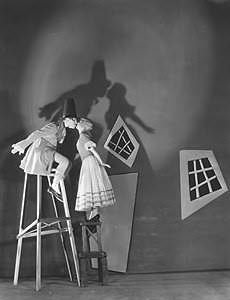
The avant garde movement, which emerged in the late 19th century, is characterized by its rejection of traditional norms and conventions in art, music, and literature. Artists such as Marcel Duchamp, Salvador Dali, and Andy Warhol have been associated with the movement, which emphasizes experimentation, innovation, and challenging societal norms. The term 'avant garde' is French for 'vanguard,' implying a group that is at the forefront of a movement or revolution. In the context of sensory seeking, the avant garde movement can be seen as a way to challenge and expand one's perceptions and experiences. For example, the use of unconventional materials and techniques in art can create new and intense sensory experiences. The avant garde movement has also influenced music, with composers such as John Cage and Karlheinz Stockhausen creating experimental and avant garde music that pushes the boundaries of sound and perception. With a vibe score of 8, the avant garde movement is considered to be highly influential and thought-provoking, and its emphasis on experimentation and innovation continues to inspire artists and sensory seekers today.
🎨 Introduction to Avant Garde
Avant Garde is a term used to describe experimental and innovative art, literature, and music that challenges the established norms and conventions of the time. As seen in the works of Surrealism and Dadaism, Avant Garde artists and writers aim to push the boundaries of what is considered acceptable and aesthetically pleasing. The term 'Avant Garde' originates from the military concept of an advance guard, which refers to a group of soldiers who scout ahead and pave the way for the rest of the army. In the context of art and culture, Avant Garde artists and writers can be seen as the advance guard, exploring new ideas and styles that may not be widely accepted at first, but ultimately influence the development of art and literature. For example, the Futurist movement, led by Filippo Tommaso Marinetti, sought to revolutionize art and literature by embracing the machine age and rejecting traditional forms.
📚 Historical Context
The historical context of Avant Garde is closely tied to the early 20th-century art movements, such as Cubism and Fauvism. These movements sought to break away from traditional representational art and explore new ways of expressing reality. The Avant Garde movement was also influenced by the Dadaist movement, which rejected traditional aesthetics and sought to challenge the status quo. As seen in the works of Marcel Duchamp and Hannah Höch, Avant Garde artists often incorporated elements of Surrealism and Constructivism into their work, further blurring the lines between art and reality. The Ballets Russes, a renowned ballet company, also played a significant role in promoting Avant Garde art and culture.
🔥 Key Characteristics
Avant Garde art and literature are characterized by their experimental and innovative nature. Artists and writers who identify as Avant Garde often challenge traditional forms and styles, seeking to create something new and original. As seen in the works of James Joyce and Virginia Woolf, Avant Garde literature often features unconventional narrative structures, fragmented narratives, and a focus on the subconscious. Avant Garde art, on the other hand, often incorporates elements of Abstract Expressionism and Pop Art, pushing the boundaries of what is considered 'art'. The Situationist International, a radical avant-garde movement, also sought to challenge traditional notions of art and reality.
👥 Notable Avant Garde Artists
Some notable Avant Garde artists and writers include Salvador Dali, Pablo Picasso, and André Breton. These artists and writers were known for their innovative and experimental approach to art and literature, often challenging the established norms and conventions of their time. As seen in the works of Franz Kafka and Samuel Beckett, Avant Garde writers often explored themes of alienation, absurdity, and the human condition. The Fluxus movement, a radical avant-garde movement, also sought to challenge traditional notions of art and reality, often incorporating elements of Happenings and Performance Art.
📸 Comparison with Other Art Movements
Avant Garde can be compared to other art movements, such as Modernism and Postmodernism. While Modernism sought to break away from traditional forms and styles, Postmodernism sought to challenge the very notion of 'art' itself. Avant Garde, on the other hand, seeks to push the boundaries of what is considered acceptable and aesthetically pleasing, often incorporating elements of Surrealism and Dadaism. As seen in the works of Andy Warhol and Roy Lichtenstein, Avant Garde art often incorporates elements of Pop Art and Minimalism, further blurring the lines between art and reality. The Neo-Dada movement, a revival of the Dadaist movement, also sought to challenge traditional notions of art and reality.
🤔 Practical Tips for Exploring Avant Garde
For those interested in exploring Avant Garde art and literature, there are several practical tips to keep in mind. Firstly, it's essential to approach Avant Garde art and literature with an open mind, as it often challenges traditional notions of aesthetics and reality. Secondly, it's helpful to familiarize oneself with the historical context of Avant Garde, including the early 20th-century art movements and the Dadaist movement. Finally, it's essential to seek out Avant Garde artists and writers who are pushing the boundaries of what is considered acceptable and aesthetically pleasing, such as Marina Abramovic and Ai Weiwei. The Documenta exhibition, a renowned exhibition of contemporary art, also showcases the latest developments in Avant Garde art and culture.
📊 Influence and Legacy
The influence and legacy of Avant Garde can be seen in many areas of art and culture. Avant Garde artists and writers have paved the way for future generations of artists and writers, challenging traditional norms and conventions and pushing the boundaries of what is considered acceptable and aesthetically pleasing. As seen in the works of David Bowie and Lou Reed, Avant Garde has also influenced music and fashion, with many artists and designers incorporating elements of Surrealism and Dadaism into their work. The Punk Rock movement, a radical avant-garde movement, also sought to challenge traditional notions of music and fashion.
👀 Contemporary Avant Garde Scene
The contemporary Avant Garde scene is thriving, with many artists and writers pushing the boundaries of what is considered acceptable and aesthetically pleasing. As seen in the works of Takashi Murakami and Jeff Koons, contemporary Avant Garde art often incorporates elements of Pop Art and Street Art, further blurring the lines between art and reality. The Biennale exhibition, a renowned exhibition of contemporary art, also showcases the latest developments in Avant Garde art and culture.
📚 Recommended Reading
For those interested in learning more about Avant Garde, there are several recommended readings. These include the works of André Breton, Salvador Dali, and James Joyce, which provide a deeper understanding of the Avant Garde movement and its key characteristics. The Avant-Garde Magazine, a renowned publication, also showcases the latest developments in Avant Garde art and culture.
🎟️ Getting Started with Avant Garde
Getting started with Avant Garde can be as simple as exploring the works of Avant Garde artists and writers, such as Pablo Picasso and Virginia Woolf. It's also helpful to familiarize oneself with the historical context of Avant Garde, including the early 20th-century art movements and the Dadaist movement. Finally, it's essential to approach Avant Garde art and literature with an open mind, as it often challenges traditional notions of aesthetics and reality. The Museum of Modern Art, a renowned institution, also showcases the latest developments in Avant Garde art and culture.
Key Facts
- Year
- 1890
- Origin
- Europe
- Category
- Art and Culture
- Type
- Art Movement
Frequently Asked Questions
What is Avant Garde?
Avant Garde is a term used to describe experimental and innovative art, literature, and music that challenges the established norms and conventions of the time. As seen in the works of Surrealism and Dadaism, Avant Garde artists and writers aim to push the boundaries of what is considered acceptable and aesthetically pleasing. The term 'Avant Garde' originates from the military concept of an advance guard, which refers to a group of soldiers who scout ahead and pave the way for the rest of the army.
Who are some notable Avant Garde artists and writers?
Some notable Avant Garde artists and writers include Salvador Dali, Pablo Picasso, and André Breton. These artists and writers were known for their innovative and experimental approach to art and literature, often challenging the established norms and conventions of their time. As seen in the works of Franz Kafka and Samuel Beckett, Avant Garde writers often explored themes of alienation, absurdity, and the human condition.
How does Avant Garde influence contemporary art and culture?
The influence and legacy of Avant Garde can be seen in many areas of art and culture. Avant Garde artists and writers have paved the way for future generations of artists and writers, challenging traditional norms and conventions and pushing the boundaries of what is considered acceptable and aesthetically pleasing. As seen in the works of David Bowie and Lou Reed, Avant Garde has also influenced music and fashion, with many artists and designers incorporating elements of Surrealism and Dadaism into their work.
What are some key characteristics of Avant Garde art and literature?
Avant Garde art and literature are characterized by their experimental and innovative nature. Artists and writers who identify as Avant Garde often challenge traditional forms and styles, seeking to create something new and original. As seen in the works of James Joyce and Virginia Woolf, Avant Garde literature often features unconventional narrative structures, fragmented narratives, and a focus on the subconscious. Avant Garde art, on the other hand, often incorporates elements of Abstract Expressionism and Pop Art, pushing the boundaries of what is considered 'art'.
How can I get started with exploring Avant Garde art and literature?
Getting started with Avant Garde can be as simple as exploring the works of Avant Garde artists and writers, such as Pablo Picasso and Virginia Woolf. It's also helpful to familiarize oneself with the historical context of Avant Garde, including the early 20th-century art movements and the Dadaist movement. Finally, it's essential to approach Avant Garde art and literature with an open mind, as it often challenges traditional notions of aesthetics and reality.
What is the relationship between Avant Garde and other art movements?
Avant Garde can be compared to other art movements, such as Modernism and Postmodernism. While Modernism sought to break away from traditional forms and styles, Postmodernism sought to challenge the very notion of 'art' itself. Avant Garde, on the other hand, seeks to push the boundaries of what is considered acceptable and aesthetically pleasing, often incorporating elements of Surrealism and Dadaism. As seen in the works of Andy Warhol and Roy Lichtenstein, Avant Garde art often incorporates elements of Pop Art and Minimalism, further blurring the lines between art and reality.
What is the significance of Avant Garde in contemporary art and culture?
The significance of Avant Garde in contemporary art and culture lies in its ability to challenge traditional norms and conventions, pushing the boundaries of what is considered acceptable and aesthetically pleasing. As seen in the works of Takashi Murakami and Jeff Koons, contemporary Avant Garde art often incorporates elements of Pop Art and Street Art, further blurring the lines between art and reality. The Biennale exhibition, a renowned exhibition of contemporary art, also showcases the latest developments in Avant Garde art and culture.