
Contents
Overview
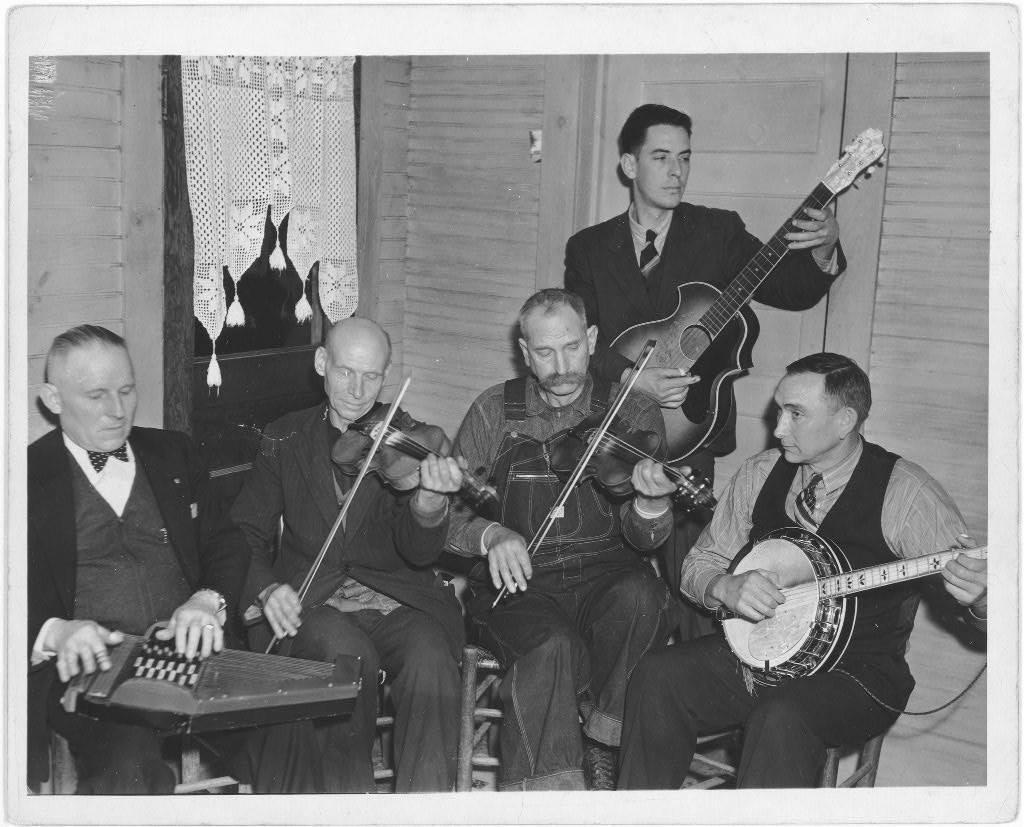
The music itself has roots stretching back centuries, with influences from the ballads and fiddle tunes of the British Isles. While the genesis of Appalachian music archives is deeply intertwined with the rediscovery and preservation efforts that gained momentum during the American folk music revival of the mid-20th century, their formal documentation and archival began in earnest following early commercial recordings in the 1920s by artists like Fiddlin' John Carson and the Carter Family. Institutions like the Library of Congress began significant field recordings in the 1930s, capturing performances by figures such as Bascom Lamar Lunsford. The establishment of dedicated archives, however, often arose from the passion of folklorists, musicians, and community members who recognized the fragility of these oral traditions and the need for systematic preservation. Early efforts were often grassroots, with individuals amassing personal collections that later formed the core of larger institutional holdings, driven by a desire to honor the region's unique cultural heritage before it faded.
⚙️ How It Works
Appalachian music archives function as multifaceted cultural custodians. Their core operation involves the acquisition of materials through donations, field collection, and strategic purchases. Once acquired, items undergo meticulous cataloging, often employing specialized metadata standards for audio-visual materials and archival documents. Sound recordings, whether on wax cylinders, vinyl LPs, or digital formats, are digitized to ensure long-term preservation and accessibility, often using high-fidelity equipment to capture the nuances of performances by artists like Dock Boggs. Oral histories are conducted with musicians, instrument makers, and community elders to contextualize the music and its social significance. Instruments themselves, such as the Appalachian dulcimer or the five-string banjo, are often preserved and sometimes even restored. The ultimate goal is to create searchable databases and curated exhibits, making this vast sonic heritage available for research, education, and public enjoyment.
📊 Key Facts & Numbers
The scale of Appalachian music archives is substantial, though precise global figures are difficult to aggregate due to the decentralized nature of many collections. The Smithsonian Institution's American Folklife Center, for example, holds extensive collections related to Appalachian folk traditions, with millions of items in its overall archives. The economic impact is also significant, with the music industry directly and indirectly linked to Appalachian roots generating billions annually, a figure bolstered by heritage tourism and the continued popularity of genres like bluegrass music. The number of active musicians drawing from this tradition is estimated in the tens of thousands across the United States and internationally.
👥 Key People & Organizations
Numerous individuals and organizations have been instrumental in the creation and sustenance of Appalachian music archives. Key figures include folklorists like Bascom Lamar Lunsford, whose personal collections became foundational for institutions like the Appalachian Studies Association and its affiliated university programs. Organizations such as the Appalachian Studies Association and the Center for Appalachian Studies at Appalachian State University play vital roles in promoting research and supporting archival initiatives. University libraries, including those at UNC Chapel Hill and Duke University, house significant collections. The International Bluegrass Music Museum in Owensboro, Kentucky, also preserves important artifacts and recordings related to the genre's Appalachian connections. Independent initiatives, like the Birthplace of Country Music Museum in Bristol, Virginia, further contribute to the archival landscape.
🌍 Cultural Impact & Influence
The influence of Appalachian music, meticulously documented by these archives, is profound and far-reaching. Appalachian music formed the bedrock for old-time music, country music, and bluegrass music, shaping their instrumentation, melodic structures, and lyrical themes. Early recordings preserved in archives directly influenced the development of rock and roll, with artists like Elvis Presley and Chuck Berry incorporating elements of the Appalachian sound. The folk revival of the 1960s, spearheaded by artists like Bob Dylan and Joan Baez, drew heavily on the traditions documented in these archives, reintroducing them to a wider audience. Furthermore, Appalachian music continues to inspire contemporary artists across genres, demonstrating its enduring cultural resonance and adaptability, a testament to the preservation work undertaken by archives.
⚡ Current State & Latest Developments
In the current landscape, Appalachian music archives are increasingly embracing digital technologies to enhance accessibility and reach. Many are digitizing their collections, creating online databases, and offering virtual exhibitions to reach a global audience. The Appalachian Digital Library and similar online platforms are making rare recordings and documents available to anyone with an internet connection. There's a growing emphasis on community-based archiving, empowering local communities to document and preserve their own musical heritage. Institutions are also grappling with the ethical considerations of digital access, ensuring fair use and respecting the cultural context of the materials. The ongoing challenge remains securing sustainable funding for digitization, preservation, and outreach efforts in an era of shrinking institutional budgets.
🤔 Controversies & Debates
Controversies surrounding Appalachian music archives often revolve around issues of ownership, representation, and access. Questions arise about who has the right to collect, preserve, and interpret the music – the institutions or the communities from which it originates? There's ongoing debate about the 'canon' of Appalachian music, with some arguing that archives have historically overemphasized certain genres or artists while neglecting others, particularly those from marginalized communities. The ethics of digitization and online access also spark discussion, balancing the desire for broad dissemination with the need to protect intellectual property and cultural sensitivities. Furthermore, the economic disparities within the Appalachian region itself can create challenges, as some communities may lack the resources to establish or maintain their own archives, leading to a reliance on external institutions.
🔮 Future Outlook & Predictions
The future of Appalachian music archives points towards greater digital integration and community collaboration. Expect to see more sophisticated AI-driven tools for audio analysis and metadata generation, potentially uncovering new connections within vast collections. The trend towards community-led archiving is likely to accelerate, with archives acting as facilitators and technical support providers rather than sole custodians. There's also a growing interest in preserving not just the music, but also the broader cultural context, including dance, storytelling, and craft traditions. As digital platforms evolve, archives will need to adapt to new formats and methods of engagement, potentially incorporating virtual reality or interactive digital experiences to bring the music and its history to life for a new generation. The long-term challenge will be ensuring these digital archives remain accessible and relevant in an ever-changing technological landscape.
💡 Practical Applications
Appalachian music archives serve a multitude of practical purposes. For
Key Facts
- Category
- culture
- Type
- topic