
Contents
Overview
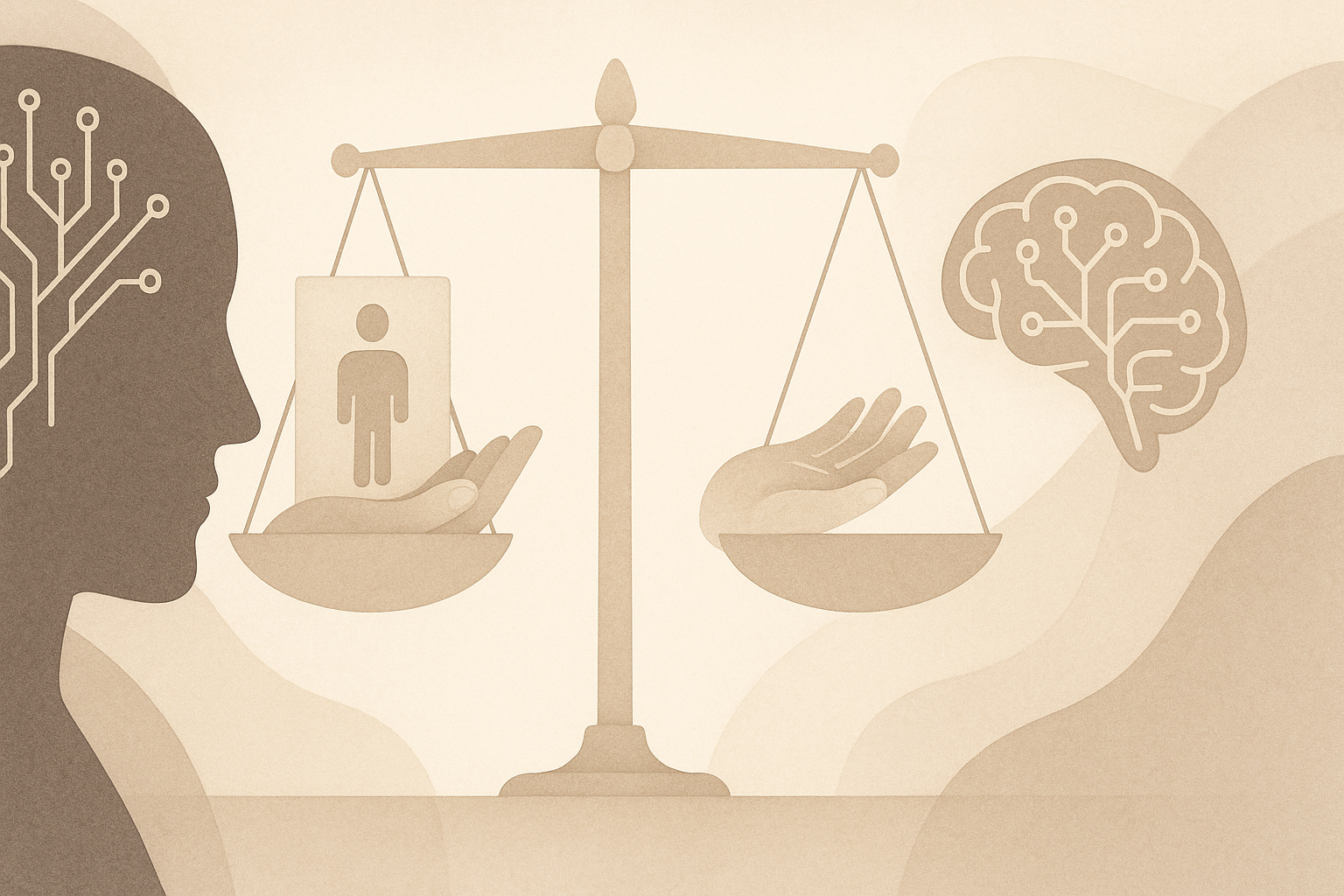
AI ethics isn't just a philosophical debate; it's the practical application of moral principles to the design, development, and deployment of artificial intelligence. Think of it as the guardrails for AI, ensuring these powerful tools benefit humanity without causing undue harm. It grapples with questions like fairness, accountability, transparency, and the societal impact of intelligent systems. The goal is to foster trust and ensure AI aligns with human values, preventing unintended consequences from algorithms that can make decisions affecting millions. This field is crucial for navigating the complex intersection of technology and human society.
⚖️ Who Needs to Care About AI Ethics?
The short answer? Everyone. Developers and engineers building AI systems are on the front lines, but it extends far beyond them. Policymakers need to understand AI ethics to craft effective regulations. Businesses deploying AI must consider its ethical implications to maintain customer trust and avoid reputational damage. Ethicists and social scientists provide critical analysis, while the general public needs to be informed to participate in the conversation about AI's future. Even artists and designers are exploring AI ethics through their work, highlighting its broad societal relevance. Understanding governance is key for all stakeholders.
💡 Core Principles & Frameworks
Several foundational principles guide AI ethics. Fairness aims to ensure AI systems do not discriminate against certain groups. Accountability focuses on who is responsible when an AI system makes a mistake. Transparency seeks to make AI decision-making processes understandable, moving away from 'black box' systems. Safety ensures AI operates reliably and is protected from malicious use. Frameworks like the OECD's AI Principles or the EU's Ethics Guidelines for Trustworthy AI provide structured approaches for organizations to implement these principles in practice.
🔍 Key Areas of Concern
Key areas of concern within AI ethics are vast and interconnected. Algorithmic bias in hiring or loan applications can perpetuate societal inequalities. The use of AI in surveillance raises profound privacy issues. Autonomous weapons systems present complex ethical dilemmas regarding lethal autonomy. The potential for AI to displace jobs and exacerbate economic disparities is another major focus. Furthermore, the environmental impact of training large AI models is an emerging ethical consideration.
📈 The Evolution of AI Ethics
The field of AI ethics has rapidly evolved. Early discussions in the late 20th century were largely theoretical, focusing on the potential for artificial general intelligence. The rise of machine learning and big data in the 2000s brought practical concerns to the forefront, particularly around bias and privacy. Major events like the Cambridge Analytica scandal in 2018 and ongoing debates about AI in warfare have accelerated public and governmental attention. Today, AI ethics is a dynamic field with active research, policy initiatives, and growing public discourse, influencing everything from regulatory frameworks to corporate responsibility.
📚 Resources for Deeper Dives
For those wanting to delve deeper, numerous resources exist. Academic institutions offer courses and research papers on philosophical underpinnings and technical solutions. Organizations like the AI Now Institute and the Future of Life Institute publish influential reports and host discussions. Books such as Cathy O'Neil's "Weapons of Math Destruction" offer accessible critiques of algorithmic harms. Online platforms provide tutorials on developing AI responsibly, and conferences dedicated to AI ethics bring together diverse experts. Staying informed through reputable journals and think tanks is essential.
⭐ Ratings & Reviews (of AI Systems)
While direct 'ratings' for AI ethics aren't standardized like product reviews, organizations and researchers are developing methods to assess AI systems. This includes auditing algorithms for bias, evaluating transparency mechanisms, and assessing adherence to ethical guidelines. Some companies are beginning to publish impact assessments for their AI products. Consumers and citizens can look for certifications or reports from independent bodies that evaluate AI systems against ethical benchmarks. Public perception and media coverage also serve as informal indicators of an AI system's ethical standing.
🤝 Getting Involved & Making a Difference
Getting involved in AI ethics can take many forms. You can advocate for stronger policies by contacting your representatives. Support organizations working on AI ethics research and advocacy. If you're a developer, prioritize ethical considerations in your work and contribute to open-source tools for ethical AI. Participate in public consultations and discussions about AI's future. Educating yourself and others is a powerful first step towards shaping a more responsible AI landscape. Every voice contributes to the ongoing dialogue.
Key Facts
- Year
- 2024
- Origin
- Vibepedia.wiki
- Category
- Technology & Society
- Type
- Topic
Frequently Asked Questions
What's the difference between AI ethics and AI safety?
AI ethics is a broader field concerned with the moral principles guiding AI's development and use, encompassing fairness, accountability, and societal impact. AI safety, while related, specifically focuses on preventing AI systems from causing unintended harm, whether through accidents, misuse, or emergent behaviors. Safety is a critical component of ethics, but ethics also addresses issues beyond immediate physical or digital harm, like job displacement or the erosion of human autonomy.
How can I identify bias in an AI system?
Identifying bias often requires examining the data used to train the AI, as biases in data are frequently reflected in the AI's outputs. Look for disparate outcomes across different demographic groups. For example, if a facial recognition system performs poorly on certain skin tones, that's a sign of bias. Tools and techniques for auditing are being developed to systematically detect these issues, but critical human oversight remains essential.
Is AI ethics just about preventing 'killer robots'?
While autonomous weapons are a significant and concerning aspect of AI ethics, the field is much broader. It addresses everyday AI applications like recommendation algorithms, hiring tools, loan application systems, and social media content moderation. The ethical challenges range from subtle biases that perpetuate inequality to profound questions about privacy, surveillance, and the future of work.
Who is responsible when an AI makes a mistake?
This is a central question in AI ethics and is often referred to as the accountability gap. Responsibility can be complex, potentially falling on the developers, the deployers, the users, or even the AI itself in some future scenarios. Current legal and ethical frameworks are still evolving to address this, often looking at the chain of command and decision-making processes involved in the AI's creation and deployment.
Can AI be truly 'unbiased'?
Achieving perfect 'unbiasedness' in AI is extremely challenging, if not impossible, because AI systems learn from data that often reflects existing societal biases. The goal of AI ethics is not necessarily to achieve absolute neutrality, which may be unattainable, but to actively identify, mitigate, and manage biases to ensure fairness and prevent discriminatory outcomes. It's an ongoing process of improvement and vigilance.